

Most people chew gum for fresh breath or a quick snack substitute, but few realize they’re missing a powerful bio-optimization tool. The way you chew, the gum you choose, and your technique determine whether you unlock dental remineralization, cognitive arousal, or metabolic benefits. Poor habits waste potential, while intentional practices transform gum into a functional delivery system. This guide reveals how to maximize every chew for measurable health and performance gains.
Table of Contents
- Preparing To Optimize Your Gum Chewing
- Step-By-Step Guide To Optimizing Gum Chewing
- Troubleshooting Common Issues And Maximizing Results
- How To Leverage Specialized Gums For Bio-Optimization
- Discover Specialized Gums To Enhance Your Health And Performance
- Frequently Asked Questions
Key takeaways
| Point | Details |
|---|---|
| Xylitol gum reduces cavities | Sugar-free xylitol gum lowers harmful oral bacteria and cavity risk effectively. |
| Chewing boosts cognition | Intentional chewing enhances memory-related tasks and increases cerebral blood flow. |
| Appetite control is possible | Gum chewing suppresses hunger signals but does not guarantee weight loss. |
| Technique matters | Chew bilaterally with back molars, maintain tongue posture, and increase duration gradually. |
| Avoid TMJ strain | Limit sessions to 20 minutes if you have jaw pain or temporomandibular joint disorder. |
Preparing to optimize your gum chewing
Before you start chewing with purpose, you need the right foundation. Selecting the proper gum and understanding your oral health status sets the stage for success. Sugar-free xylitol gum reduces mutans streptococci, the bacteria responsible for tooth decay and plaque buildup. This makes xylitol the gold standard for dental benefits. If you’re dealing with jaw discomfort, recognizing TMJ symptoms early prevents chronic pain.
The mechanics of optimized chewing involve three core principles: firm gum texture, bilateral chewing patterns, and tongue posture. Firm gum engages the masseter and temporalis muscles more effectively than soft varieties, building endurance without excessive strain. Bilateral chewing means alternating sides every few minutes to balance muscle development and prevent overuse injuries. Tongue posture, often called mewing, involves resting your tongue against the roof of your mouth. This alignment supports proper jaw positioning and maximizes the mastication-brain loop that drives cognitive arousal.
Progressive overload applies to chewing just as it does to strength training. Starting with 10-minute sessions and gradually increasing to 30 minutes over several weeks builds muscle endurance safely. Jumping straight to long sessions invites fatigue and potential TMJ aggravation. Setting realistic goals helps you stay consistent. If your primary aim is dental health, focus on post-meal chewing to neutralize acids and stimulate saliva. For cognitive benefits, time your sessions before tasks requiring sustained attention.
Pro Tip: Keep a chewing log for the first two weeks to track duration, side switching, and any discomfort. This data reveals patterns and helps you adjust technique before bad habits form.
Preparing also means understanding what you’re working toward. Dental remineralization happens when saliva, enriched by xylitol and stimulated by chewing, redeposits calcium and phosphate ions into enamel. The oral pH rises above the critical 5.5 threshold, shifting from decay to repair. Cognitive benefits stem from increased blood flow to the prefrontal cortex and hippocampus, regions governing decision-making and memory. Metabolic advantages come from buccal absorption, where active compounds enter the bloodstream directly through the highly vascularized cheek lining, bypassing the digestive system’s delays.
Here’s a quick comparison of gum types to guide your selection:
| Gum Type | Primary Benefit | Key Ingredient | Best Use Case |
|---|---|---|---|
| Xylitol sugar-free | Dental health | Xylitol | Post-meal cavity prevention |
| Caffeinated | Metabolic boost | Caffeine | Pre-workout energy |
| Mint sugar-free | Fresh breath | Menthol | Social situations |
| Cinnamon | Antibacterial | Cinnamaldehyde | Oral hygiene maintenance |
For those exploring dentistry tips for gum enthusiasts, the connection between chewing mechanics and oral health becomes clear. Proper preparation transforms gum from a casual habit into a deliberate practice with measurable outcomes.
Step-by-step guide to optimizing gum chewing
Now that you’ve prepared, it’s time to execute the technique. Follow these steps to maximize dental, cognitive, and metabolic benefits:
-
Start with a 10-minute baseline. Choose a firm, sugar-free xylitol gum and chew for 10 minutes after a meal. This duration is long enough to stimulate saliva and neutralize acids without causing fatigue. Track how your jaw feels afterward.
-
Chew bilaterally using back molars. Place the gum on one side of your mouth and chew with your back teeth. Optimal mechanics involve switching sides every 2 minutes to balance muscle engagement. Front teeth are not designed for sustained chewing and increase wear.
-
Maintain tongue on the palate. Rest your tongue flat against the roof of your mouth throughout the session. This mewing posture aligns your jaw properly and enhances the trigeminal nerve stimulation that drives cognitive arousal. It feels awkward at first but becomes natural with practice.
-
Increase duration gradually. Add 5 minutes per week until you reach 30 minutes daily. Chewing gum 10 to 30 minutes per day enhances benefits without causing muscle strain. Listen to your body. If soreness persists beyond 24 hours, scale back.
-
Avoid clenching and excessive force. Chewing should feel rhythmic and controlled, not aggressive. Clenching stresses the temporomandibular joint and leads to headaches. Focus on smooth, deliberate motions rather than speed or intensity.
-
Time sessions strategically. For dental benefits, chew immediately after meals to reduce plaque-forming bacteria. For cognitive benefits, chew 5 to 10 minutes before tasks requiring focus or memory recall. The increased cerebral blood flow peaks around this window.
Pro Tip: Set a timer on your phone to remind you to switch sides every 2 minutes. This small habit prevents muscle imbalances and keeps your technique sharp.
Consistency matters more than perfection. Missing a day won’t derail progress, but abandoning the practice for weeks will. Treat optimized chewing like any other health routine: non-negotiable but flexible. If you’re traveling or in a meeting, a shorter 10-minute session still delivers value.
The beauty of this approach lies in its simplicity. You’re not adding a complex supplement regimen or expensive equipment. You’re refining a behavior you already perform, turning it into a functional tool. The dentistry tips for gum enthusiasts page offers additional strategies to complement this foundational technique.
Troubleshooting common issues and maximizing results
Even with proper technique, you may encounter obstacles. Addressing them early keeps your practice sustainable and effective.

Jaw pain is the most common issue. If you experience discomfort, limit chewing sessions to 20 minutes or less, especially if you have TMJ disorder. Persistent pain signals overuse or improper mechanics. Reduce frequency, check your side-switching discipline, and ensure you’re not clenching. If pain continues, consult a dentist or physical therapist specializing in jaw disorders. Alternatives like sugar-free mints or increased hydration can provide oral stimulation without the mechanical load.
Cognitive benefits vary by task. Gum chewing effects can be task-specific, with improvements in attention and memory for simple tasks but potential detriments for complex problem-solving. Use gum strategically. Chew during data entry, reading, or routine tasks where sustained focus helps. Avoid it during creative brainstorming or intricate analysis where the stimulation might distract rather than enhance.
“The relationship between chewing and cognition is not universal. Context and task type determine whether the mechanical stimulation aids or hinders performance.”
Hunger suppression works for many but doesn’t guarantee weight loss. Chewing gum reduces the desire to eat and can help manage cravings between meals. However, no evidence supports chewing gum alone as a weight management solution. Use it as one tool among many: hydration, balanced meals, and mindful eating all play larger roles. Don’t rely on gum to replace proper nutrition or calorie management.
Hydration amplifies benefits. Saliva production depends on adequate fluid intake. Dehydration reduces the remineralization effect and makes chewing feel labored. Drink water throughout the day, especially during longer chewing sessions. This simple step enhances comfort and effectiveness.
Breaks prevent fatigue. If you’re aiming for 30-minute sessions, consider splitting them into two 15-minute blocks with a short rest in between. This approach maintains intensity without overwhelming your jaw muscles. It’s particularly useful when you’re building up from shorter durations.
Here are additional troubleshooting tips:
- If gum loses flavor quickly, switch to a brand with longer-lasting taste to maintain engagement.
- If you forget to switch sides, set a gentle alarm or use a visual cue like a sticky note.
- If you feel tension in your temples, you’re likely clenching. Relax your jaw and focus on smooth, circular motions.
- If dental sensitivity increases, ensure you’re using xylitol gum and not a product with acidic flavorings.
For those exploring dentistry tips for gum enthusiasts, these troubleshooting strategies align with broader oral health practices. The goal is sustainable, long-term optimization, not short-term intensity that leads to burnout or injury.
How to leverage specialized gums for bio-optimization
Once you’ve mastered foundational technique, specialized gums unlock advanced benefits. These products go beyond basic dental health, targeting metabolic and cognitive enhancement.
Caffeinated gum delivers energy faster than coffee or pills. Caffeinated gum improves maximal strength and endurance when chewed at a dose of 3 milligrams per kilogram of body weight, 5 minutes before exercise. A 70-kilogram person needs roughly 210 milligrams of caffeine, equivalent to two strong cups of coffee. The buccal absorption bypasses the gastrointestinal tract, delivering caffeine directly into the bloodstream. This creates a sustained energy plateau rather than the spike and crash of liquid caffeine. Time your chew precisely: too early and the effect fades before your workout, too late and you miss the performance window.
Xylitol gum remains the gold standard for dental health. Xylitol reduces cavity-causing bacteria more effectively than sorbitol or other sugar alcohols. It disrupts the metabolic pathways of mutans streptococci, preventing them from producing the acids that demineralize enamel. For those prioritizing oral health, xylitol gum after every meal is non-negotiable. Brands like Wrigley’s Big Red cinnamon gum combine xylitol with cinnamaldehyde, an antibacterial compound that further reduces plaque.
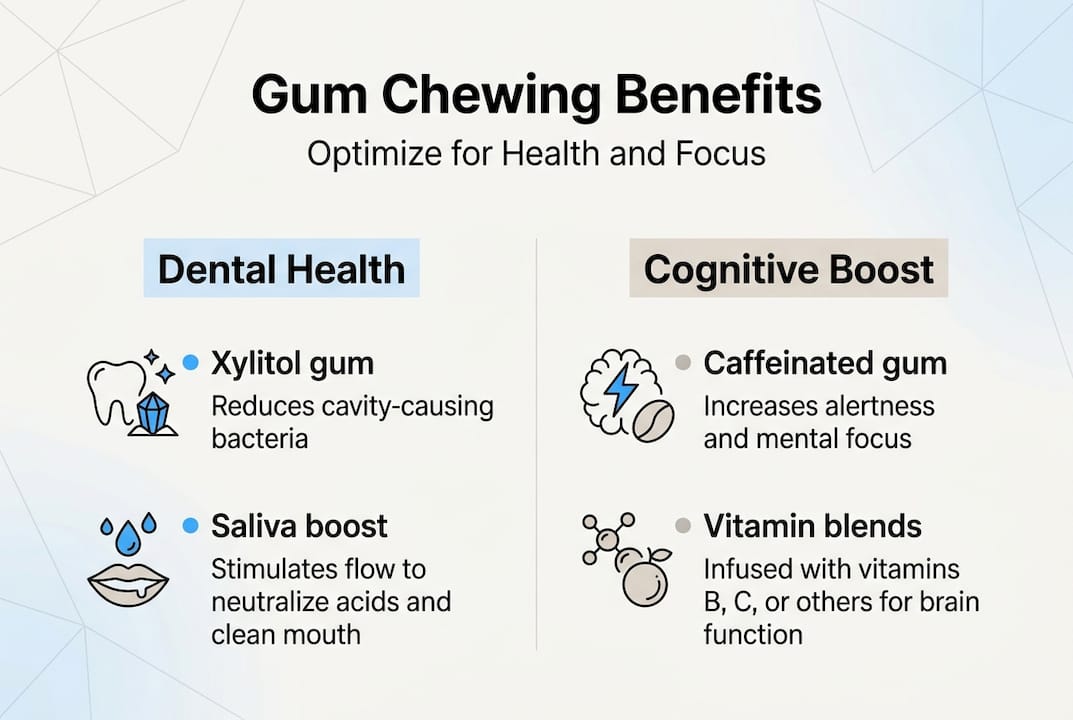
Functional gums with added vitamins or nootropics represent the cutting edge. These products embed compounds like B vitamins, L-theanine, or adaptogens into the gum base. The buccal mucosa absorbs them rapidly, delivering cognitive or metabolic effects within minutes. However, efficacy varies by formulation. Look for third-party testing and transparent ingredient lists. Avoid products with excessive fillers or unproven claims.
Here’s a comparison of specialized gums:
| Gum Type | Primary Benefit | Optimal Timing | Dose/Duration |
|---|---|---|---|
| Caffeinated | Strength and endurance | 5 minutes pre-workout | 3mg/kg body weight |
| Xylitol | Cavity prevention | Post-meal | 10-20 minutes |
| Nootropic | Cognitive focus | Before complex tasks | 15-30 minutes |
| Vitamin-infused | Nutrient delivery | Morning or midday | 10-15 minutes |
Pro Tip: Rotate gum types based on your daily schedule. Use caffeinated gum before morning workouts, xylitol gum after lunch, and nootropic gum before afternoon focus sessions. This rotation maximizes benefits without over-relying on a single product.
For those interested in functional confectionery benefits, the connection between gum type and bio-optimization becomes clear. Specialized gums are not marketing gimmicks when formulated correctly. They leverage the mouth’s unique absorption properties to deliver targeted outcomes.
Choosing the right gum depends on your goals. If dental health is your priority, stick with xylitol. If you’re optimizing for performance, caffeinated gum offers measurable advantages. If you’re exploring cognitive enhancement, nootropic formulations provide a low-risk entry point. The key is intentionality. Random gum chewing delivers random results. Strategic gum chewing, aligned with your biology and goals, delivers measurable improvements.
Discover specialized gums to enhance your health and performance
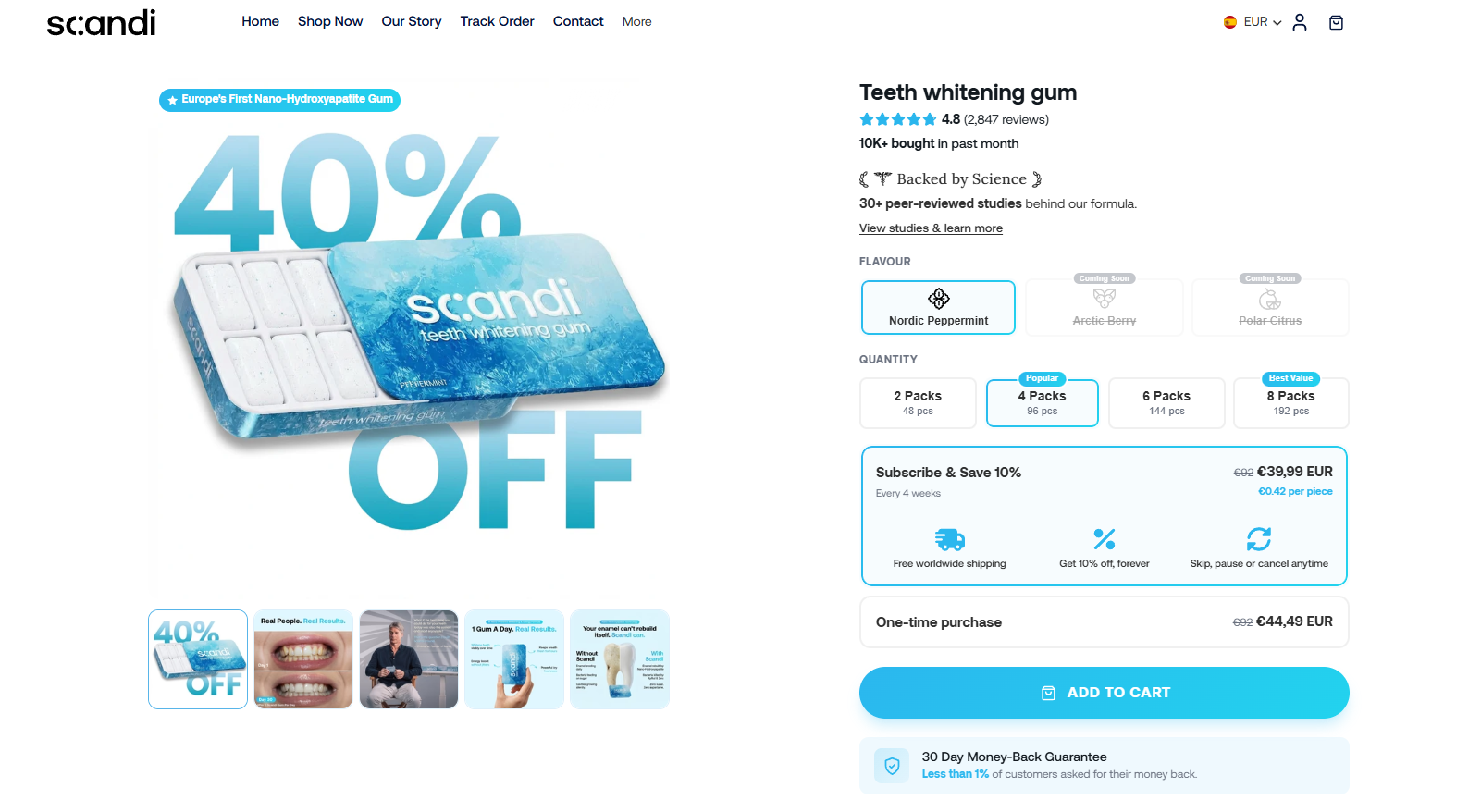
You’ve learned how to optimize your chewing technique, troubleshoot common issues, and leverage specialized gums for targeted benefits. Now it’s time to explore products designed specifically for bio-optimization. Scandi Gum products combine xylitol for dental health with functional ingredients for cognitive and metabolic support. These gums utilize buccal absorption to deliver compounds directly into your bloodstream, bypassing the delays and losses of traditional supplements.
Whether you’re focused on remineralizing enamel, boosting pre-workout energy, or enhancing focus during demanding tasks, the right gum makes a difference. Explore the range of sugar-free, xylitol-based options and discover how functional confectionery fits into your daily routine. For deeper insights, the dentistry tips for gum enthusiasts and functional confectionery benefits pages offer practical strategies to complement what you’ve learned here. Turn every chew into a deliberate step toward better health and sharper performance.
Frequently asked questions
How often should I chew gum for optimal benefits?
Chew sugar-free gum 3 to 5 times daily after meals for best results. Aim for 10 to 30 minutes total per day, divided across sessions. Limit individual sessions to around 20 minutes to avoid jaw fatigue and ensure sustainable practice.
Can chewing gum improve my memory and focus?
Intentional chewing may enhance memory-related performance during simple attention tasks. The mastication-brain loop increases blood flow to the prefrontal cortex and hippocampus. However, cognitive effects vary by task type and are not guaranteed for complex problem-solving.
Is chewing gum effective for weight management?
Gum chewing can suppress hunger and reduce the desire to eat in multiple studies. It helps manage cravings between meals and supports appetite regulation. However, no direct evidence supports chewing gum alone as a weight loss solution.
What should I do if I experience jaw pain while chewing?
Limit chewing sessions to 20 minutes or less if you have TMJ pain or discomfort. Ensure you’re switching sides every 2 minutes and not clenching. If pain persists, consider alternatives like sugar-free mints and consult a dentist or physical therapist specializing in jaw disorders.