


What if the simple act of chewing could become your most powerful tool for maintaining optimal oral health? Emerging research reveals that advanced chewing technologies are transforming how we approach dental care, moving beyond traditional brushing and flossing. These innovations harness the natural mechanics of mastication to deliver therapeutic compounds, reduce harmful habits, and actively support tooth remineralization. For health-conscious adults seeking science-backed solutions, understanding these developments opens new pathways to enhanced dental wellness and systemic health benefits that extend far beyond your mouth.
Table of Contents
- Key takeaways
- How chewing technology replicates natural oral mechanics
- Therapeutic chewing gums and biofeedback devices for oral wellness
- Balancing benefits and risks: chewing habits and oral health impact
- Future outlook: innovations shaping oral health science in 2026 and beyond
- Explore advanced oral health solutions with Scandi Gum
- Frequently asked questions
Key Takeaways
| Point | Details |
|---|---|
| Biomimetic chewing tech | Advanced artificial mouths reproduce mastication mechanics to guide product development and testing under realistic oral conditions. |
| Dynamic chewing testing | DYNAchew and similar simulators apply multidirectional loads to mimic chewing and predict how gums and tablets perform in real use. |
| Propolis gums benefits | Gums containing propolis reduce plaque and gingival inflammation, comparing favorably with traditional mouthwash in clinical trials. |
| Medicated gum delivery | Chewing gums enable buccal drug delivery for faster onset and sustained release during a 15 to 20 minute chew. |
How chewing technology replicates natural oral mechanics
The foundation of effective oral health innovation lies in accurately mimicking how your jaw and teeth naturally function. Scientists have developed sophisticated biomimetic artificial mouths that reproduce human chewing mechanics for testing soft food processing and oral care products. These 3D systems replicate the complex interplay of vertical compression, lateral grinding, and salivary flow that occurs during mastication.
Advanced simulators like DYNAchew apply multidirectional loads mimicking mastication to evaluate how materials and compounds behave under realistic oral conditions. This technology allows researchers to predict how chewing gums, tablets, and other oral products will perform in actual use. The precision of these systems has revolutionized product development, ensuring that therapeutic compounds release at optimal rates and that mechanical properties match human tissue tolerances.
Understanding chewing biomechanics guides every aspect of oral health product design. The force patterns, duration of contact, and environmental conditions within your mouth create unique challenges. Temperature fluctuations, pH variations, and enzymatic activity all influence how substances interact with tooth enamel and soft tissues. By replicating these conditions, manufacturers can create formulations that work with your body’s natural processes rather than against them.
Key biomechanical factors in oral health technology:
- Masticatory force distribution varies across different tooth surfaces and jaw positions
- Saliva production increases during chewing, affecting compound dissolution and absorption
- Tongue movements distribute substances throughout the oral cavity for comprehensive coverage
- Chewing duration determines bioavailability of active ingredients through buccal mucosa
Pro Tip: The effectiveness of any chewing-based oral health product depends on maintaining consistent chewing patterns for 15 to 20 minutes, allowing sufficient time for active compounds to interact with tooth surfaces and absorb through oral tissues.
These biomimetic approaches ensure that products entering the market have been rigorously tested under conditions that mirror your actual oral environment. This scientific rigor translates to better outcomes when you integrate oral health workflow with functional confectionery into your daily routine.
Therapeutic chewing gums and biofeedback devices for oral wellness
Functional chewing gums have evolved far beyond breath freshening to become legitimate therapeutic tools. Research demonstrates that propolis-containing gums significantly reduce plaque, bleeding, and gingival inflammation, performing comparably to traditional mouthwash in clinical trials. The natural antimicrobial properties of propolis, combined with the mechanical action of chewing, create a dual-action approach to gum health maintenance.

Medicated chewing gums offer targeted drug delivery that capitalizes on the high vascularity of oral tissues. Unlike pills that must survive stomach acid and liver metabolism, compounds absorbed through the buccal mucosa enter your bloodstream directly. This pathway provides faster onset, higher bioavailability, and more predictable dosing. The sustained release during a 15 to 20 minute chew creates a therapeutic plateau rather than the spike and crash pattern associated with other delivery methods.
| Gum Type | Primary Benefit | Ideal Use Case | Clinical Evidence |
|---|---|---|---|
| Propolis gum | Reduces gum inflammation and bleeding | Daily gum health maintenance | Comparable efficacy to mouthwash |
| Xylitol gum | Inhibits cavity-causing bacteria | Post-meal pH neutralization | Reduces caries risk by 30 to 40% |
| Calcium phosphate gum | Supports enamel remineralization | After acidic food or drink consumption | Strengthens weakened enamel surfaces |
| Nicotine replacement gum | Smoking cessation support | Controlled nicotine delivery | Doubles quit success rates |
Smart oral appliances represent another frontier in chewing-based wellness technology. The AesyBite Active device reduces sleep bruxism by over 60% using biofeedback mechanisms that train users to modify unconscious grinding patterns. These devices detect the onset of bruxism episodes and deliver gentle vibrational cues that interrupt the behavior without fully waking the user.
Benefits of integrating therapeutic gums and smart devices:
- Convenient intervention between dental visits for ongoing oral health support
- Non-invasive alternatives to pharmaceutical treatments for mild to moderate conditions
- Real-time data collection enabling personalized oral health tracking
- Reduced reliance on chemical antimicrobials that may disrupt oral microbiome balance
Pro Tip: For maximum benefit from therapeutic gums, alternate chewing sides every few minutes to ensure even distribution of active compounds across all tooth surfaces and gum tissues.
These innovations empower you to take proactive control of your oral health with evidence-based tools that fit seamlessly into daily life. Exploring dentistry tips for gum enthusiasts can help you optimize your routine with these emerging technologies.
Balancing benefits and risks: chewing habits and oral health impact
Not all chewing behaviors support oral wellness. While therapeutic gums offer significant benefits, certain traditional practices cause severe damage. Betel quid chewing contributes to periodontal tissue destruction and accelerates oral health decline through multiple mechanisms. The alkaloid compounds in betel nut stimulate excessive collagen production, leading to submucous fibrosis, while the abrasive components mechanically damage gum tissues.
The contrast between harmful and beneficial chewing practices highlights the importance of ingredient selection and formulation science. Therapeutic chewing gums are specifically designed to support oral health by delivering compounds that reduce plaque accumulation, neutralize acids, and promote remineralization. These products undergo rigorous safety testing and clinical trials to verify their benefits and rule out adverse effects.
Education about chewing influences can prevent oral health deterioration that might otherwise go unnoticed until significant damage occurs. Many people assume that because chewing is natural, all chewed substances are benign. This misconception has led to widespread use of products that actively harm dental and periodontal tissues. Understanding the science behind oral health allows you to make informed choices about what you introduce into your mouth.
Key distinctions between harmful and beneficial chewing:
- Therapeutic gums use pH-neutral bases that do not erode enamel or irritate soft tissues
- Harmful substances often contain caustic compounds that damage cellular structures
- Beneficial products are designed for timed release matching optimal absorption windows
- Traditional practices may involve prolonged contact with tissues, increasing exposure to toxins
- Evidence-based formulations target specific oral health outcomes with measurable results
Making informed choices about chewing products promotes long-term oral wellness and prevents irreversible damage. The same mechanical action that makes chewing an effective delivery system also means that harmful substances have enhanced contact with vulnerable tissues. Your oral mucosa absorbs compounds rapidly, making ingredient quality and safety paramount. By choosing products backed by clinical research, you harness the benefits of chewing technology while avoiding the pitfalls of traditional practices. Learning from gum enthusiasts who enhance oral health through evidence-based approaches helps you navigate this evolving landscape.
Future outlook: innovations shaping oral health science in 2026 and beyond
The convergence of biotechnology, materials science, and digital health is accelerating oral health innovation at an unprecedented pace. Upcoming conferences like ORCA 2026 highlight advances in cariology and digital dentistry, providing platforms where researchers share breakthroughs in chewing-based therapies and diagnostic tools. These gatherings showcase technologies that will soon transform clinical practice and home care routines.
Integration of robotics and biomimicry promises more effective oral care tools that adapt to individual needs. Future devices may offer personalized chewing-based therapies calibrated to your specific oral microbiome, pH patterns, and risk factors. Imagine a smart gum that adjusts its compound release based on real-time saliva analysis, or an oral appliance that maps your chewing patterns to identify areas of excessive wear before damage becomes visible.
Key innovations emerging in 2026 and beyond:
- AI-powered oral health monitoring through wearable sensors that track pH, bacterial populations, and inflammatory markers
- Customized functional gums formulated based on genetic markers influencing caries susceptibility and gum disease risk
- Nanotechnology delivery systems that target specific oral pathogens while preserving beneficial microbes
- Augmented reality applications that guide optimal chewing techniques for therapeutic product use
- Bioprinted oral tissues for testing new compounds without animal or human trials
Smart oral appliances are becoming integral to preventative dental health strategies rather than reactive treatments. The shift from treating disease to maintaining wellness represents a fundamental change in how we approach oral care. Instead of waiting for cavities or gum disease to develop, these technologies enable continuous optimization of your oral environment.
“The future of oral health lies not in more aggressive interventions, but in harnessing the body’s natural repair mechanisms through intelligent delivery systems that work in harmony with human physiology.”
Research continues to expand understanding of chewing’s therapeutic potential beyond the mouth. Scientists are investigating how mastication influences systemic inflammation, cognitive function, and metabolic health. The trigeminal nerve connections between jaw movement and brain activity suggest that optimized chewing patterns may support mental clarity and stress resilience. This holistic view positions oral health as a gateway to total body wellness.
The integration of these innovations with existing dental care creates a comprehensive approach where professional treatments, home care, and continuous monitoring work synergistically. As these technologies mature and become more accessible, the gap between clinical and consumer oral health tools will narrow. You will have access to diagnostic and therapeutic capabilities that were once available only in dental offices. Staying informed about functional confectionery innovations positions you to adopt these advances as they become available.
Explore advanced oral health solutions with Scandi Gum
The science behind chewing technology translates directly into practical solutions you can integrate into your daily routine today. Scandi Gum applies these principles through carefully formulated products designed to support your oral health goals while fitting seamlessly into your lifestyle. Each product leverages the buccal absorption advantage and mastication-brain loop to deliver benefits that extend beyond your mouth.
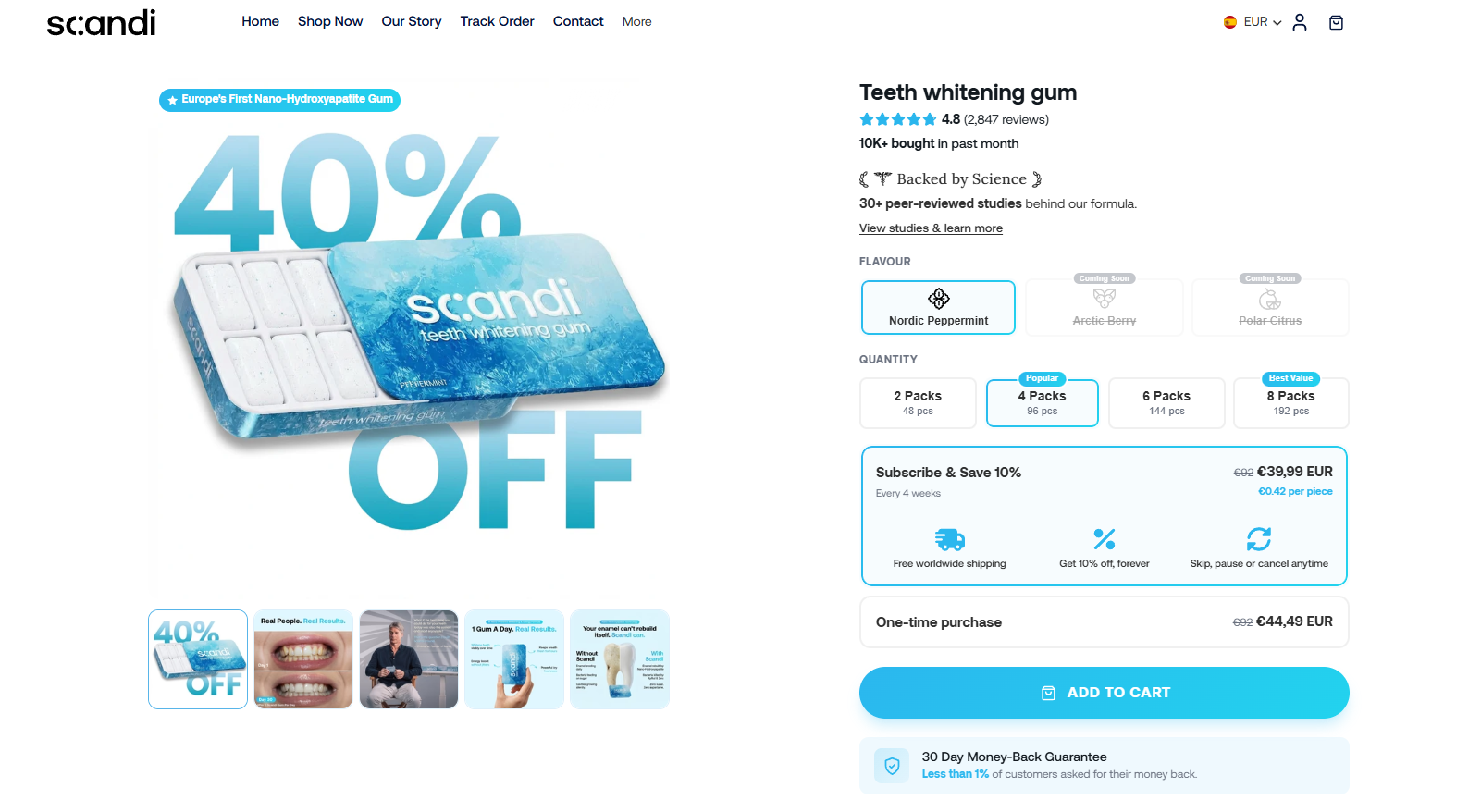
Our Scandi Gum product range combines the latest research in oral chemistry with functional ingredients that support remineralization, cognitive performance, and sustained energy. Whether you are looking to optimize your oral health routine or explore the cognitive benefits of strategic chewing, our formulations are designed for health-conscious adults who demand evidence-based solutions. Discover dentistry tips for gum enthusiasts and learn how to maximize the benefits of functional chewing. Explore our guide to oral health workflow with functional confectionery to integrate these innovations into your comprehensive wellness strategy.
Frequently asked questions
What is the role of chewing technology in oral health?
Chewing technology mimics natural jaw movements to enhance oral function through biomimetic devices that test and optimize product formulations. These systems help deliver active ingredients more effectively, reduce plaque buildup, and prevent destructive habits like teeth grinding. Smart devices use biofeedback to protect teeth and improve oral habits by detecting problematic patterns and providing corrective cues. Research increasingly supports chewing aids as valuable adjuncts to daily dental care routines, offering therapeutic benefits between professional cleanings.
How effective are propolis-containing chewing gums for gum health?
Propolis gum significantly reduces plaque, bleeding, and gingival inflammation with strong statistical support from clinical trials. Studies show it performs comparably to traditional mouthwash in managing gingivitis symptoms, making it a practical alternative for gum health maintenance. The natural antimicrobial properties of propolis, combined with the mechanical action of chewing, provide dual-action benefits. For optimal results, use propolis gum consistently as part of a comprehensive oral hygiene routine that includes brushing and flossing. Explore gum enthusiasts oral health tips for guidance on integrating therapeutic gums effectively.
Can chewing technology help with sleep-related teeth grinding?
Smart oral appliances use sensors and biofeedback mechanisms to reduce bruxism effectively without invasive treatments or medications. The AesyBite Active device reduces sleep bruxism by over 60% through gentle vibrational cues that interrupt grinding episodes while you sleep. These devices learn your patterns over time, becoming more effective as they adapt to your specific triggers and responses. Clinical studies demonstrate significant reductions in teeth grinding frequency and intensity, protecting enamel from wear and reducing associated jaw pain. Integrating these technologies into your functional confectionery workflow creates a comprehensive approach to oral health protection.
Are all chewing habits beneficial for oral health?
Not all chewing behaviors support oral wellness. Some substances cause severe gum and tissue damage. Betel quid chewing harms periodontal tissue and contributes to oral health decline through multiple destructive mechanisms. Therapeutic chewing gums, in contrast, are specifically formulated to promote health by delivering beneficial compounds that reduce plaque, neutralize acids, and support remineralization. The key difference lies in ingredient selection, formulation science, and clinical validation. Choose products backed by research and designed with oral health as the primary objective. Learn from gum enthusiasts oral health advice to make informed decisions about your chewing habits.