

Most people believe brushing twice daily and flossing regularly guarantee perfect dental health. Yet millions still face cavities, enamel erosion, and stubborn tooth discoloration despite meticulous hygiene routines. The missing piece? Oral pH. This chemical balance in your mouth determines whether your teeth remineralize and strengthen or demineralize and decay. Understanding how oral pH influences tooth enamel integrity and bacterial growth transforms your approach to dental care. This guide reveals how oral pH affects whitening outcomes, what disrupts this delicate balance, and practical strategies to optimize it for healthier, brighter teeth.
Table of Contents
- What Is Oral P H And Why Does It Matter For Dental Health?
- How Oral P H Affects Tooth Enamel, Cavities, And Whitening
- Factors Influencing Oral P H And How To Maintain A Balance
- Products And Habits That Support Oral P H Balance And Whitening
- Explore Products Enhancing Your Oral P H Balance And Dental Health
- FAQ
Key takeaways
| Point | Details |
|---|---|
| Neutral pH prevents decay | Maintaining oral pH between 6.2 and 7.4 protects enamel from acid erosion and supports natural remineralization. |
| Acidity causes discoloration | Low pH environments promote bacterial acid production that stains teeth and weakens protective enamel layers. |
| Diet impacts pH rapidly | Sugary drinks and acidic foods can lower oral pH within minutes, creating conditions for decay and sensitivity. |
| Saliva buffers acidity | Adequate saliva flow naturally neutralizes acids and restores pH balance after eating or drinking. |
| Products enhance balance | pH-neutralizing gums and rinses support saliva production and help maintain optimal oral chemistry for whitening. |
What is oral pH and why does it matter for dental health?
Oral pH measures the acidity or alkalinity of your mouth on a scale from 0 to 14, where 7 represents neutral. A healthy mouth typically maintains a pH between 6.2 and 7.4, slightly acidic to neutral. This range supports beneficial bacteria while inhibiting harmful species that produce tooth-damaging acids. Your saliva acts as the primary buffering system, constantly working to neutralize acids from food, drinks, and bacterial metabolism.
When oral pH drops below 5.5, a critical threshold occurs. At this point, tooth enamel begins to demineralize as the acidic environment dissolves calcium and phosphate ions from the hydroxyapatite crystal structure. This process weakens enamel, making teeth vulnerable to cavities, sensitivity, and visible wear. The bacteria in your mouth thrive in acidic conditions, producing even more acid as they metabolize sugars and starches.
Many people assume brushing alone solves all dental problems. This misconception ignores the chemical warfare happening between meals. Your mouth chemistry and teeth interact constantly, with pH fluctuating based on what you consume and how well your saliva responds. Persistent low pH creates a cycle where weakened enamel becomes more porous, trapping stains and appearing dull or yellowed.
Several common factors lower oral pH throughout the day:
- Sugary snacks and beverages that feed acid-producing bacteria
- Citrus fruits, vinegar, and other acidic foods
- Carbonated drinks including sparkling water
- Stress that reduces saliva production
- Dry mouth from medications or breathing habits
Pro Tip: Test your oral pH using simple strips available at pharmacies to identify patterns and monitor how different foods affect your dental health.
Understanding this pH dynamic explains why some people develop cavities despite good brushing habits while others with less rigorous routines maintain healthy teeth. The chemical environment matters as much as mechanical cleaning. Recognizing how pH influences decay, sensitivity, and tooth color empowers you to take targeted action beyond traditional oral hygiene.
How oral pH affects tooth enamel, cavities, and whitening
The relationship between oral pH and dental health operates through precise chemical mechanisms. When your mouth’s pH drops into acidic territory, acidic conditions lead to enamel mineral loss, promoting cavities and staining. This demineralization process doesn’t happen instantly but accelerates with frequent acid exposure. Each acidic episode lasting 20 to 30 minutes allows acids to penetrate enamel’s microscopic pores, extracting minerals that give teeth their strength and luster.
Cavity formation depends heavily on pH patterns. Plaque bacteria like Streptococcus mutans produce lactic acid as they digest sugars. In a persistently acidic environment, these bacteria multiply rapidly and create localized areas where pH remains critically low. The enamel in these spots demineralizes faster than saliva can repair it, eventually forming cavities. The process resembles erosion, where repeated acid attacks gradually wear away protective layers.
Tooth discoloration connects directly to enamel integrity and pH balance. Acidic conditions make enamel more porous and permeable. These microscopic openings trap pigments from coffee, tea, red wine, and colored foods more easily. As enamel thins from acid erosion, the yellowish dentin layer beneath becomes more visible, making teeth appear darker. The effects of mouth chemistry on color extend beyond surface stains to structural changes in tooth composition.
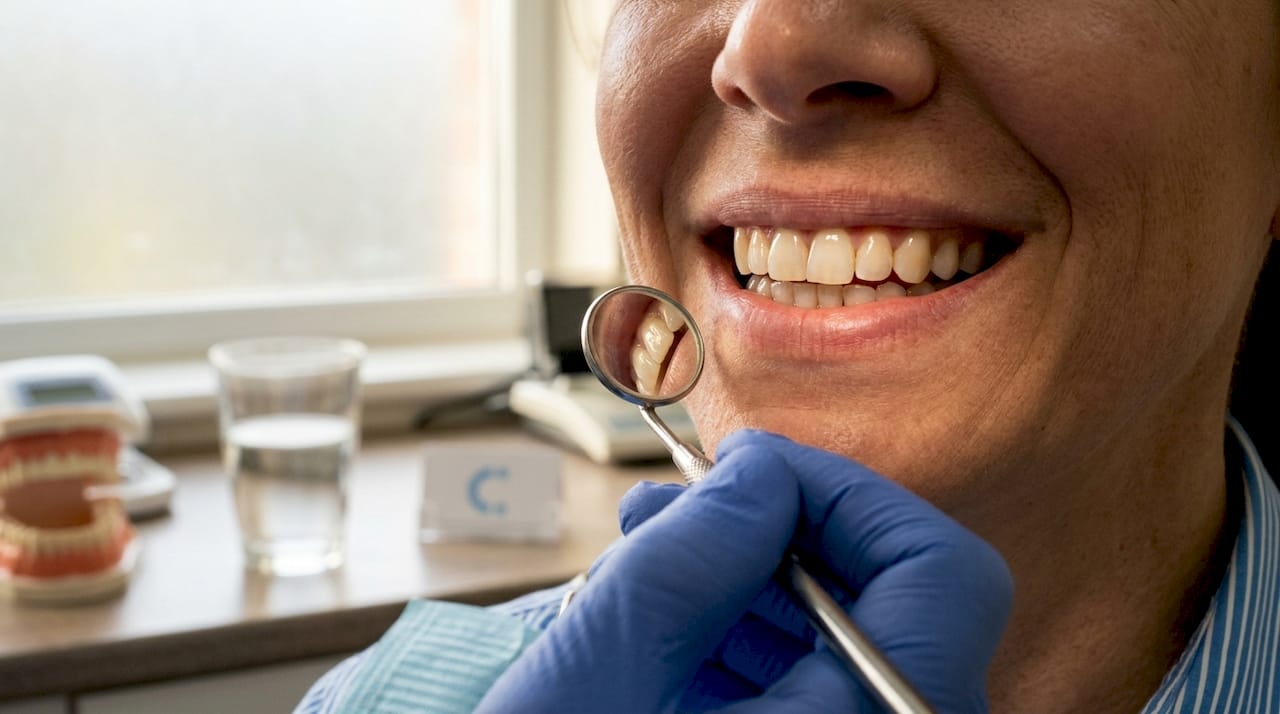
| pH Level | Enamel Status | Cavity Risk | Whitening Impact |
|---|---|---|---|
| 7.0-7.4 | Remineralizing | Very Low | Optimal for treatments |
| 6.2-6.9 | Stable | Low | Good maintenance |
| 5.5-6.1 | Early demineralization | Moderate | Reduced effectiveness |
| Below 5.5 | Active mineral loss | High | Poor outcomes, damage risk |
Neutral to slightly alkaline pH supports remineralization, the natural repair process where saliva deposits calcium and phosphate back into enamel. This rebuilding strengthens teeth and can reverse early decay. It also helps maintain enamel’s smooth, reflective surface that appears white and bright. When pH stays balanced, your natural whitening mechanisms work continuously.
Pro Tip: Avoid sipping acidic drinks throughout the day; instead, consume them with meals when saliva flow peaks to buffer acids and minimize enamel exposure time.
The whitening products you use work best in balanced pH environments. Acidic mouths compromise whitening agent effectiveness because damaged enamel absorbs treatments unevenly and may experience increased sensitivity. Maintaining proper pH creates the foundation for successful whitening by preserving enamel integrity and reducing stain penetration. Your mouth’s chemical state determines whether you’re building healthy, white teeth or gradually breaking them down.
Factors influencing oral pH and how to maintain a balance
Your oral pH responds dynamically to dietary choices, lifestyle habits, and biological factors. Recognizing what disrupts this balance helps you make informed decisions throughout the day. Sugary drinks represent one of the most significant pH disruptors. Sodas, sports drinks, and sweetened coffees create a double threat by feeding bacteria and introducing acids directly. Even diet versions contain acids that lower pH, though they lack the sugar that bacteria metabolize.
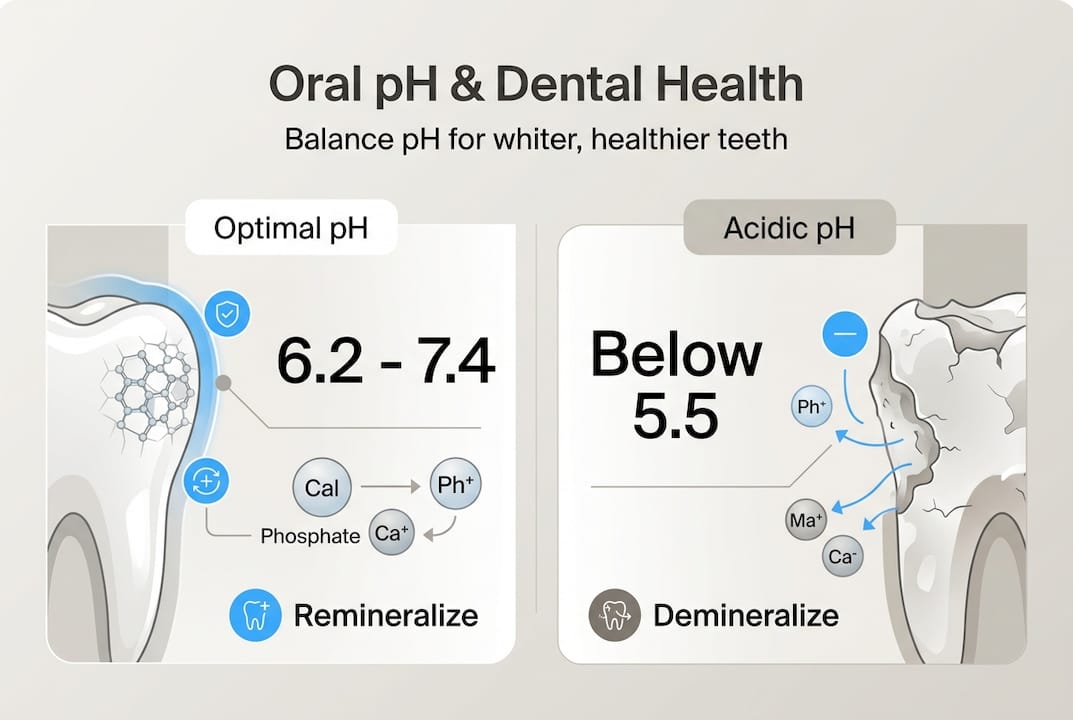
Acidic fruits like oranges, lemons, and pineapples provide valuable nutrients but temporarily drop oral pH into the danger zone. Vinegar-based dressings, pickled foods, and wine similarly acidify your mouth. The frequency matters more than the quantity. Constant snacking or sipping keeps pH depressed for hours, preventing recovery. Stress affects oral pH indirectly by reducing saliva production, removing your mouth’s primary defense against acidity.
Saliva performs multiple critical functions in pH regulation. It contains bicarbonate, phosphate, and proteins that neutralize acids and supply minerals for enamel repair. Adequate hydration ensures robust saliva flow. Dry mouth from medications, mouth breathing, or dehydration leaves teeth vulnerable to acid attacks. Food and drink choices significantly affect saliva acidity and oral pH throughout the day.
Practical daily habits to maintain neutral oral pH:
- Drink water frequently, especially after consuming acidic or sugary items
- Eat balanced meals rather than grazing continuously on snacks
- Choose cheese, nuts, or vegetables as snacks that support neutral pH
- Limit acidic beverage consumption to mealtimes when saliva flow peaks
- Wait 30 minutes after acidic exposure before brushing to avoid damaging softened enamel
- Chew sugar-free gum containing xylitol to stimulate saliva between meals
Foods and beverages that support neutral pH or buffer acidity:
- Plain water, the most effective pH neutralizer
- Dairy products like milk, cheese, and unsweetened yogurt
- Crunchy vegetables such as celery, carrots, and cucumbers
- Nuts and seeds that stimulate saliva and provide minerals
- Green tea without added sugar
- Whole grains that require extended chewing
Chewing sugar-free gum deserves special attention for pH management. The mechanical act of chewing stimulates salivary glands, increasing flow by up to 10 times resting levels. This saliva flood washes away food particles and acids while delivering buffering compounds directly to tooth surfaces. Xylitol, a common gum sweetener, inhibits cavity-causing bacteria and may help remineralize enamel.
Pro Tip: Rinse vigorously with water immediately after consuming acidic foods or drinks to speed pH recovery and dilute acids before they damage enamel.
Maintaining pH balance requires awareness rather than perfection. You don’t need to eliminate all acidic foods, just manage timing and frequency. Supporting your saliva’s natural buffering capacity through hydration and strategic habits creates an environment where teeth can repair themselves continuously. Small adjustments in how and when you consume certain items make substantial differences in long-term dental health and appearance.
Products and habits that support oral pH balance and whitening
Innovative oral care products now target pH balance as a primary mechanism for preventing decay and enhancing whitening. These solutions work alongside traditional brushing and flossing to create optimal chemical conditions in your mouth. pH-neutralizing gums stimulate saliva while delivering compounds that actively buffer acids. Specialized rinses contain alkaline ingredients that raise pH after meals or acidic exposures. Remineralizing toothpastes supply calcium and phosphate in forms that enamel readily absorbs.
| Product Category | Mechanism | Primary Benefits | Ideal Use |
|---|---|---|---|
| pH-neutralizing gum | Stimulates saliva, buffers acids | Rapid pH recovery, cavity prevention | After meals and snacks |
| Alkaline rinses | Raises pH directly | Neutralizes acids, freshens breath | Post-acidic exposure |
| Remineralizing paste | Supplies enamel minerals | Strengthens teeth, reduces sensitivity | Daily brushing |
| Xylitol products | Inhibits bacteria, increases saliva | Reduces decay risk, supports pH | Throughout the day |
The effectiveness of these products multiplies when integrated into consistent routines. Timing matters significantly. Using pH-neutralizing gum immediately after eating prevents the prolonged acid exposure that damages enamel. Alkaline rinses work best when your mouth pH has dropped, typically after consuming coffee, wine, or citrus. Remineralizing toothpastes deliver maximum benefit during nighttime brushing when saliva flow naturally decreases during sleep.
Habits that boost product effectiveness:
- Use pH-supporting products consistently rather than sporadically
- Time product use around meals and acidic exposures for maximum impact
- Combine multiple product types for comprehensive pH management
- Allow products adequate contact time with teeth before rinsing
- Track which foods trigger pH drops and use products preventively
Pro Tip: Choose sugar-free gum containing xylitol rather than other sweeteners to simultaneously increase saliva production, neutralize acids, and inhibit decay-causing bacteria.
Certain oral care products effectively help maintain healthy oral pH and enhance whitening by addressing the chemical environment rather than just mechanical cleaning. Products that support pH balance reduce enamel erosion, making teeth less porous and more resistant to staining. This creates a smoother, more reflective surface that appears whiter naturally. Additionally, balanced pH allows whitening treatments to work more effectively and with less sensitivity.
The impact extends beyond immediate pH correction. Regular use of pH-supporting products trains your oral microbiome toward beneficial bacterial populations. Harmful acid-producing species decline while neutral or alkaline-preferring bacteria increase. This shift creates a self-reinforcing cycle where your mouth naturally maintains healthier pH levels with less intervention.
Integrating these products requires minimal effort but delivers substantial returns. The key lies in viewing pH management as foundational to oral health rather than an optional add-on. When you prioritize chemical balance alongside mechanical cleaning, you create conditions where teeth naturally resist decay, maintain strength, and preserve their whitest appearance. Your daily routine becomes a proactive system supporting long-term dental health rather than just addressing surface concerns.
Explore products enhancing your oral pH balance and dental health
Maintaining optimal oral pH doesn’t require complex protocols or expensive treatments. Scandi Gum offers an innovative approach specifically designed to support the chemical balance your teeth need to stay healthy and bright. By leveraging the natural mechanics of chewing, these products stimulate saliva production that neutralizes acids and delivers remineralizing compounds directly to enamel surfaces. The formulation works with your mouth’s biology rather than against it.
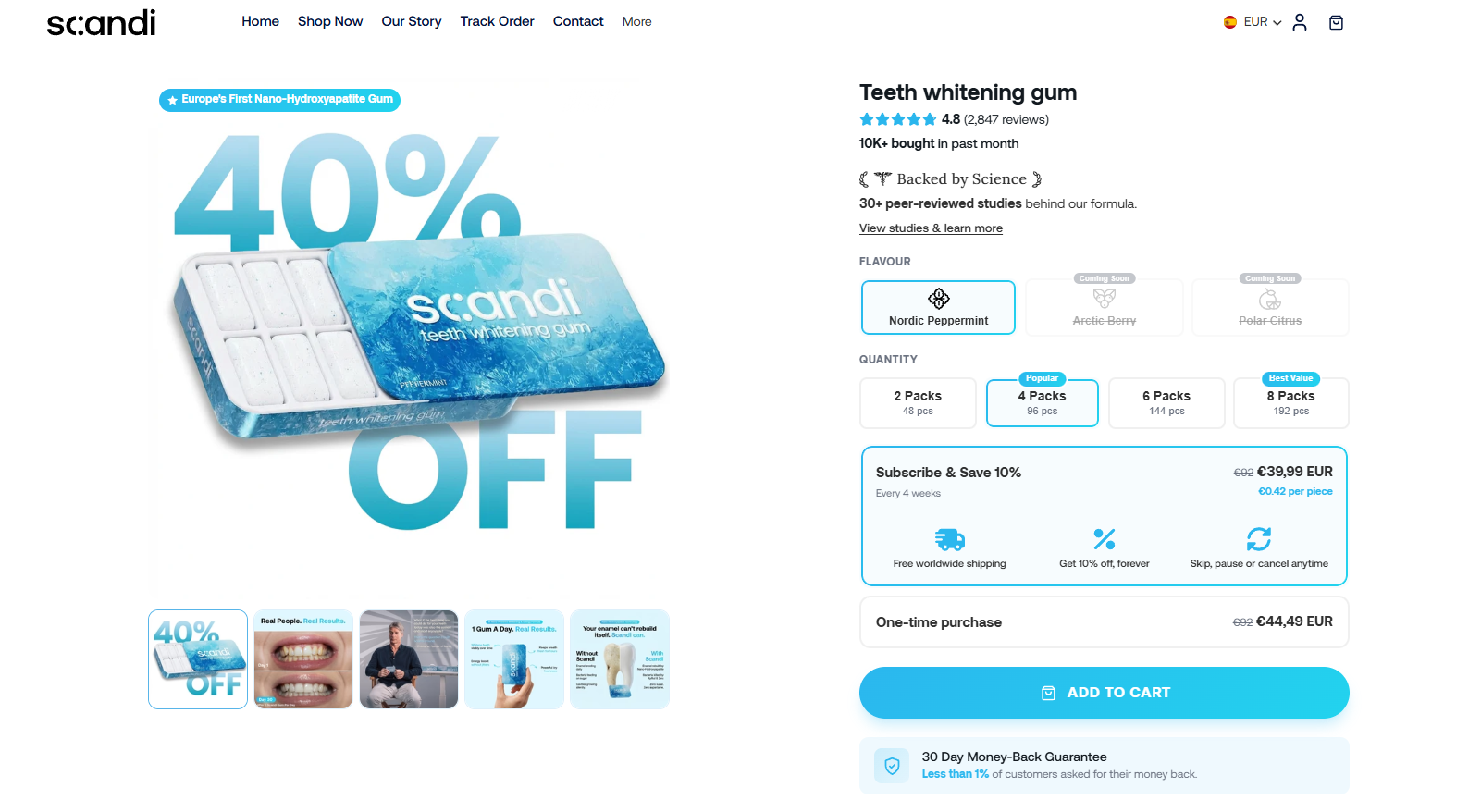
Each piece provides a functional boost to your oral chemistry, helping maintain the neutral pH range where teeth thrive. Users experience reduced sensitivity, improved enamel strength, and enhanced whitening outcomes when pH balance becomes part of their daily routine. The convenience factor matters too. You can support your dental health anywhere, anytime, without water or brushing. Scandi Gum products complement your existing oral care regimen by addressing the chemical dimension that traditional methods miss. Explore the full range to discover how targeted pH support transforms your approach to lasting dental health and natural whitening.
FAQ
What pH level is best for oral health?
The ideal oral pH ranges between 6.2 and 7.4, with levels closer to neutral supporting optimal enamel health and beneficial bacterial balance. At this range, your saliva effectively buffers acids while providing minerals for continuous enamel repair. Staying within this zone minimizes decay risk and maintains the smooth, reflective tooth surface associated with natural whiteness.
Can diet change oral pH quickly?
Yes, acidic or sugary foods can lower oral pH within minutes of consumption, sometimes dropping below the critical 5.5 threshold where enamel demineralization begins. A single soda or citrus fruit can depress pH for 20 to 30 minutes. However, your saliva works continuously to restore balance, typically recovering normal pH within 30 to 60 minutes if you avoid additional acidic exposures. Maintaining a balanced diet with pH-supporting foods provides the foundation for long-term oral health.
How can I test my oral pH at home?
Use pH testing strips specifically designed for saliva, available online or at most pharmacies for under ten dollars. Test your saliva first thing in the morning before eating, drinking, or brushing to establish your baseline pH. You can also test throughout the day to identify how specific foods affect your oral chemistry. Simply place the strip on your tongue or collect saliva in a clean spoon, then compare the color change to the provided chart.
Does oral pH affect teeth whitening products’ effectiveness?
Absolutely. An acidic oral environment undermines whitening treatments by damaging enamel structure, making it more porous and sensitive to bleaching agents. Weakened enamel absorbs whitening compounds unevenly, leading to patchy results and increased discomfort. Balanced pH creates the stable foundation whitening products need to work effectively. Teeth in neutral pH environments respond better to treatments, experience less sensitivity, and maintain results longer because the enamel remains strong and less permeable to new stains.
Are sugar-free gums beneficial for oral pH?
Yes, chewing sugar-free gum stimulates saliva that neutralizes acids and supports oral pH recovery after eating or drinking. The mechanical action increases saliva flow up to tenfold, washing away food particles and delivering buffering compounds to tooth surfaces. Gums containing xylitol provide additional benefits by inhibiting cavity-causing bacteria and potentially supporting remineralization. Regular use between meals helps maintain neutral pH and may reduce decay risk by up to 30 percent according to some studies.