

A bright smile does more than catch the eye. It shapes how others perceive you, influences your self-esteem, and reflects your commitment to dental health. For health-conscious adults over 30, understanding the science behind white smiles reveals why they matter beyond vanity. Recent research shows that tooth color affects social judgments, professional success, and personal confidence in measurable ways. However, achieving a white smile requires balancing aesthetic goals with enamel safety and overall oral health. This guide explores the evidence-based benefits of white smiles, the chemistry of safe whitening, and practical steps to maintain brightness without compromising your dental integrity.
Table of Contents
- The Science Behind White Smiles And Social Perceptions
- Understanding The Mechanisms And Safety Of Teeth Whitening
- Balancing Aesthetics And Health: Beyond Whiteness
- Practical Steps For Maintaining A Confident White Smile
- Discover Effective Solutions For Bright Smiles At Scandigum
- Frequently Asked Questions
Key takeaways
| Point | Details |
|---|---|
| Social perception boost | White smiles increase perceived trustworthiness and intelligence in first impressions. |
| Confidence enhancement | Dental self-confidence from whitening significantly improves overall well-being and self-esteem. |
| Professional safety balance | Modern whitening methods using polymer-stabilized peroxide protect enamel while delivering results. |
| Over-whitening risks | Excessive whitening creates unnatural appearances that reduce trust and harm dental health. |
| Comprehensive aesthetics | Combining whitening with tooth alignment and shape correction yields the most attractive smiles. |
The science behind white smiles and social perceptions
Your smile speaks before you do. Studies show people with white teeth are perceived as more trustworthy and intelligent within seconds of meeting. This phenomenon, known as the halo effect, extends positive assumptions about one trait to overall character judgments. In professional settings, candidates with brighter smiles receive higher ratings for competence and likability during interviews. Social contexts amplify these effects further.
Research reveals that white smiles influence outcomes across multiple life domains. Job seekers with whiter teeth secure more callbacks. Dating profiles featuring bright smiles generate significantly more interest. Even casual social interactions favor individuals whose teeth appear well-maintained and bright. The effect operates independently of other facial features, suggesting that tooth color carries unique social weight.
Personality traits modulate these benefits in interesting ways. Perfectionists and individuals high in social anxiety report stronger confidence boosts from whitening treatments. They perceive greater improvements in how others view them, which reinforces positive self-image. Importantly, skin tone does not significantly affect the positive perception of white smiles, making the benefits universal across diverse populations.
The psychological mechanisms behind these perceptions run deep. Bright teeth signal health, youth, and attention to personal care. Evolutionary psychology suggests humans evolved to assess potential mates and allies based on visible health markers. White teeth indicate strong immune function and nutritional status, traits valuable for survival and reproduction. Modern contexts translate these ancient signals into judgments about professionalism, reliability, and social status.
Key social benefits of white smiles include:
- Enhanced first impressions in professional and personal settings
- Increased perceived intelligence and competence
- Greater trustworthiness ratings from strangers and colleagues
- Improved dating and social interaction success rates
- Stronger self-confidence that influences behavior and communication
“The confidence that comes from a bright smile creates a positive feedback loop. You smile more often, others respond warmly, and your self-esteem rises, reinforcing the behavior.”
Integrating oral health workflow tips into your daily routine supports both the appearance and health foundations that make white smiles sustainable. The social science is clear: white smiles matter because they shape how the world sees you and how you see yourself.
Understanding the mechanisms and safety of teeth whitening
Teeth whitening works through controlled chemical oxidation. Hydrogen peroxide and carbamide peroxide generate reactive oxygen species that break down chromogenic molecules embedded in enamel and dentin. These stain molecules absorb light, creating the yellow or brown appearance associated with aging, coffee consumption, and tobacco use. When peroxide agents penetrate the tooth structure, they oxidize these compounds into smaller, colorless fragments that reflect light differently, producing a whiter appearance.
Professional whitening treatments typically use hydrogen peroxide concentrations between 15% and 40%. Lower concentrations require longer application times, while higher concentrations deliver faster results but carry increased risks. Carbamide peroxide, which breaks down into hydrogen peroxide and urea, offers a gentler alternative with concentrations ranging from 10% to 35%. Treatment duration varies from single in-office sessions to multi-week at-home protocols, with most patients achieving noticeable color change within one to four weeks.
LED and blue light devices marketed to accelerate whitening have limited scientific support. High concentrations cause enamel microhardness loss and sensitivity, while LED light contributes minimally to the whitening effect itself. The light may speed peroxide breakdown slightly, but this acceleration often increases tooth sensitivity without proportional aesthetic gains. Professional protocols focus on optimizing peroxide concentration and contact time rather than relying on light activation.
Enamel safety remains the critical concern in whitening treatments. Enamel, composed of hydroxyapatite crystals, can lose microhardness when exposed to high peroxide concentrations. This demineralization increases porosity and sensitivity, particularly to temperature changes. Patients often report sharp pain when consuming hot or cold foods immediately after aggressive whitening. The effect is usually temporary, but repeated treatments without adequate recovery periods can cause lasting damage.
Innovations in whitening chemistry address these safety concerns. Polymer-stabilized hydrogen peroxide formulations slow the release of reactive oxygen species, reducing enamel exposure to peak concentrations. Nano-hydroxyapatite incorporated into carbamide peroxide gels actively remineralizes enamel during whitening, offsetting microhardness loss. These advanced formulations allow patients to achieve significant color improvement while preserving tooth structure and minimizing sensitivity.
| Whitening Agent | Concentration Range | Treatment Duration | Enamel Impact |
|---|---|---|---|
| Hydrogen Peroxide | 15-40% | 1-4 weeks | Moderate to high demineralization risk |
| Carbamide Peroxide | 10-35% | 2-6 weeks | Lower demineralization, slower results |
| Polymer-Stabilized HP | 15-25% | 2-4 weeks | Reduced enamel microhardness loss |
| Nano-Hydroxyapatite CP | 10-20% | 3-6 weeks | Active remineralization during whitening |
Critical safety considerations for whitening:
- Always consult a dental professional before starting any whitening protocol
- Avoid treatments exceeding recommended peroxide concentrations
- Monitor sensitivity levels and pause treatment if pain persists
- Use remineralizing products to support enamel recovery between sessions
- Limit whitening frequency to prevent cumulative enamel damage
Pro Tip: Schedule whitening treatments during periods when you can avoid highly pigmented foods and beverages for 48 hours post-treatment. This maximizes color stability and prevents immediate re-staining.
Understanding whitening chemistry empowers you to make informed decisions. Balancing efficacy with safety ensures you achieve a bright smile without sacrificing long-term dental health. Incorporating oral health tips into your routine complements professional whitening by maintaining the oral environment that supports lasting brightness.
Balancing aesthetics and health: beyond whiteness
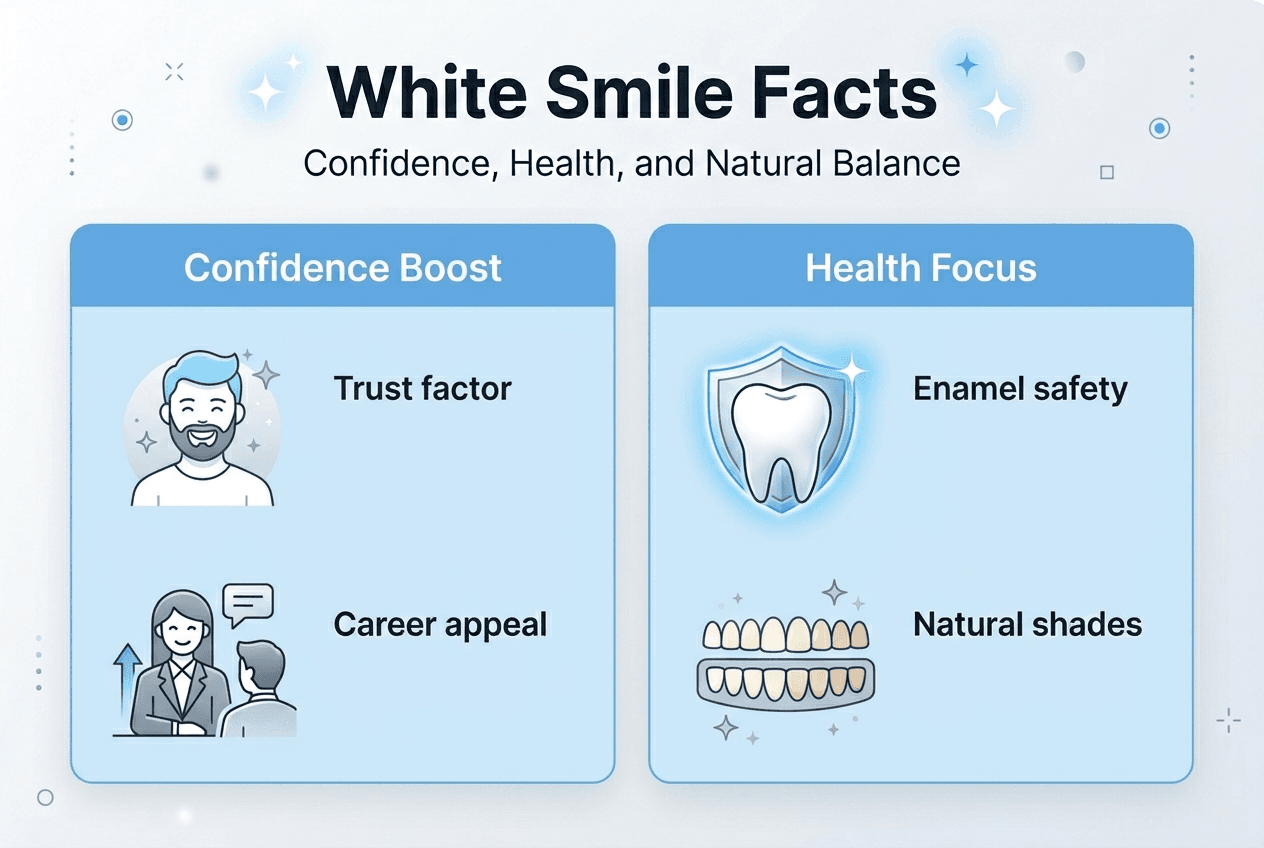
White teeth alone do not create an attractive smile. Tooth color ranks low in smile attractiveness compared to alignment and shape, with symmetry and proportion playing far more significant roles. Research participants consistently rate smiles with straight, well-proportioned teeth as more attractive than those with perfect whiteness but misalignment. This finding challenges the common assumption that whitening is the primary path to smile improvement.
Over-whitening creates problems of its own. Teeth that appear unnaturally bright trigger social distrust and reduce perceived attractiveness. The effect resembles the uncanny valley phenomenon in robotics, where near-human appearances provoke discomfort. Observers subconsciously recognize that excessively white teeth deviate from natural biological variation, leading to negative judgments about authenticity and vanity. Moderate whitening that stays within natural color ranges avoids this backlash.
Healthy teeth are naturally off-white or slightly yellowish due to dentin, the layer beneath enamel. Dentin’s natural color influences overall tooth appearance, and attempting to bleach teeth beyond their biological baseline often fails or damages enamel. Additionally, whitening can mask underlying dental problems. Patients focused solely on color may overlook gum disease, cavities, or enamel erosion that require immediate treatment. Prioritizing whiteness over health creates a cosmetic facade that eventually crumbles.

Risks of unregulated or excessive whitening include enamel erosion, increased tooth sensitivity, gum irritation, and altered tooth texture. Over-the-counter products with inconsistent peroxide concentrations pose particular dangers. Without professional supervision, users may apply treatments too frequently or at concentrations that exceed safe limits. The cumulative effect weakens enamel and increases vulnerability to decay and fracture.
A balanced approach integrates whitening with comprehensive dental aesthetics. Orthodontic treatment to correct alignment, bonding to reshape teeth, and veneers to address severe discoloration or damage often deliver superior results compared to whitening alone. Patients who combine moderate whitening with alignment interventions report higher satisfaction and receive better social perception ratings. This holistic strategy recognizes that smile attractiveness depends on multiple factors working in harmony.
| Approach | Benefits | Drawbacks |
|---|---|---|
| Whitening Only | Quick color improvement, relatively affordable, non-invasive | Limited impact on alignment and shape, risks over-whitening, temporary results |
| Comprehensive Aesthetics | Addresses alignment, shape, and color together, longer-lasting results, higher attractiveness ratings | Higher cost, longer treatment time, may require orthodontics or restorative work |
Factors beyond whiteness that enhance smile attractiveness:
- Tooth alignment and symmetry create visual harmony
- Proportional tooth size relative to facial features
- Healthy gum tissue with proper contouring
- Natural color variation that matches biological norms
- Overall facial balance and lip positioning
Maintaining perspective on whitening within the broader context of dental health prevents costly mistakes. Regular dental checkups ensure that aesthetic goals do not compromise structural integrity or oral health. Integrating oral health workflow advice supports both appearance and function, creating a sustainable foundation for long-term smile confidence.
Practical steps for maintaining a confident white smile
Achieving and sustaining a white smile requires a strategic approach that balances professional treatments with daily habits. Start by consulting a dental professional to assess your current tooth color, enamel health, and suitability for whitening. Professional evaluation identifies any underlying issues that need addressing before cosmetic treatments begin. This step prevents wasting time and money on whitening when alignment or restorative work would deliver better results.
Select a whitening method that matches your goals and risk tolerance. In-office treatments provide the fastest results under controlled conditions, minimizing sensitivity and ensuring even color distribution. At-home professional kits offer convenience with custom trays that fit your teeth precisely, reducing gum exposure to peroxide. Avoid unregulated over-the-counter products that lack quality control and professional oversight. The slight cost savings are not worth the potential for enamel damage or uneven results.
Daily oral hygiene forms the foundation of lasting whiteness. Brush twice daily with fluoride toothpaste to remove surface stains before they penetrate enamel. Floss daily to eliminate plaque and food particles that contribute to discoloration. Consider using an electric toothbrush, which removes more stains than manual brushing through consistent motion and optimal pressure. Rinse with water after consuming stain-causing foods to dilute pigments before they adhere to teeth.
Diet management plays a crucial role in preserving whiteness. Limit coffee, tea, red wine, and dark berries, which contain chromogens that stain enamel. When you do consume these items, use a straw to minimize contact with front teeth. Avoid smoking and tobacco products, which cause deep, persistent staining that resists whitening treatments. Incorporate crunchy vegetables like celery and carrots, which naturally scrub teeth during chewing and stimulate saliva production.
Enamel-protecting products extend whitening results and support overall dental health. Toothpastes containing nano-hydroxyapatite remineralize enamel, filling microscopic pores that trap stains. Enzyme-based oral care products break down protein films on teeth, preventing discoloration without abrasive scrubbing. Dental self-confidence from whiter teeth strongly boosts self-esteem, making the investment in quality products worthwhile for long-term well-being.
Step-by-step guide to maintaining a white smile:
- Schedule a comprehensive dental exam to establish baseline health and color.
- Choose a professional whitening method appropriate for your enamel condition and sensitivity level.
- Maintain rigorous oral hygiene with brushing, flossing, and antimicrobial rinsing.
- Manage your diet by limiting stain-causing foods and using protective strategies like straws.
- Use enamel-protecting toothpaste and remineralizing products to preserve whiteness and tooth structure.
- Attend regular dental checkups every six months to monitor oral health and touch up whitening as needed.
Pro Tip: Incorporate functional confectionery into your routine after meals to stimulate saliva flow and help cleanse teeth naturally. This simple habit prolongs whiteness between professional treatments.
Integrating oral health workflow guidance into your daily schedule makes these practices sustainable. Consistency matters more than intensity. Small, repeated actions compound over time, delivering results that far exceed sporadic aggressive treatments. Explore Scandigum products designed to support enamel health and brightness through innovative delivery systems that work with your body’s natural processes.
Discover effective solutions for bright smiles at Scandigum
Maintaining a white smile requires more than occasional treatments. It demands daily support that fits seamlessly into your routine. Scandigum offers innovative oral care solutions that align with the evidence-based principles discussed throughout this guide. Their functional confectionery leverages the natural process of chewing to deliver enamel-protecting compounds directly through the highly vascularized oral mucosa.
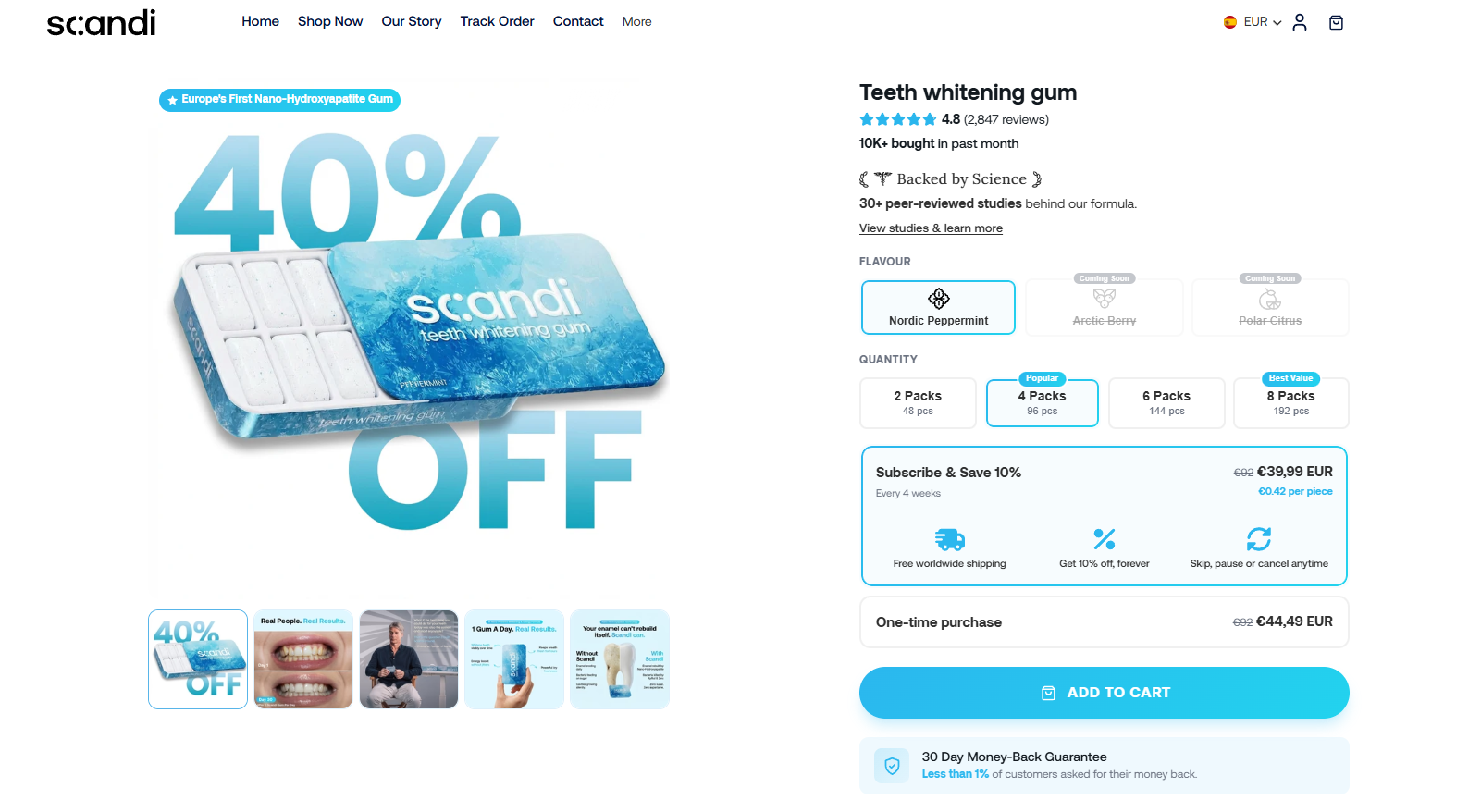
Unlike traditional supplements that pass through the digestive system, Scandigum products work immediately at the site where dental health matters most. The act of chewing stimulates saliva production, which naturally neutralizes acids and remineralizes enamel. Combined with targeted ingredients, this approach supports the oral environment that keeps teeth bright and healthy between professional whitening sessions. Explore the functional confectionery guide to understand how these products integrate into a comprehensive oral health workflow.
For health-conscious adults seeking solutions that respect both aesthetics and dental integrity, Scandigum products offer a science-backed option. Minimal, natural ingredients align with your values while delivering measurable benefits. Discover how bio-optimized oral care can boost your confidence and support the white smile you have worked to achieve.
Frequently asked questions
What causes tooth discoloration and how can whitening help?
Tooth discoloration results from extrinsic stains caused by coffee, tea, wine, and tobacco, as well as intrinsic changes from aging, medications, and enamel thinning. Whitening treatments use peroxide agents to oxidize chromogenic molecules embedded in enamel and dentin, breaking them into smaller, colorless compounds. This process lightens tooth color by several shades, though results vary based on stain type and enamel condition.
Are over-the-counter whitening products safe and effective?
Over-the-counter whitening products vary widely in peroxide concentration and quality control, creating risks of enamel damage and uneven results. Without professional supervision, users may apply treatments too frequently or at unsafe concentrations, leading to sensitivity and structural weakening. Professional options provide safer, more predictable outcomes through custom application and monitored concentrations.
How does tooth alignment compare to whiteness in smile attractiveness?
Tooth alignment significantly impacts perceived smile harmony and attractiveness, often outweighing the effect of color alone. Research shows that straight, well-proportioned teeth receive higher attractiveness ratings than perfectly white but misaligned teeth. Whiteness enhances an already attractive smile but cannot compensate for poor alignment, asymmetry, or disproportionate tooth size.
What daily habits support long-lasting white smiles?
Limit consumption of stain-causing foods and beverages like coffee, tea, and red wine, and use straws when possible. Maintain rigorous oral hygiene with fluoride toothpaste, daily flossing, and enamel-protecting products containing nano-hydroxyapatite. Incorporate oral health workflow advice such as using functional confectionery post-meal to stimulate saliva and cleanse teeth naturally. Stay hydrated to support saliva production and visit your dentist every six months for professional cleanings and whitening touch-ups.