

TL;DR:
- Most adults over 30 rarely consider how chewing impacts their overall health. Proper mastication enhances oral health, brain function, digestion, and supports healthy aging through simple behavioral adjustments. Implementing mindful chewing techniques and using supportive products can significantly improve long-term well-being and cognitive resilience.
Most adults over 30 have never once thought about how they chew. Yet this automatic, unremarkable act directly shapes your oral health, brain function, digestion, and even your long-term cognitive resilience. This chewing technique guide exists because the research now makes it impossible to ignore: the mechanics of mastication are a legitimate, low-cost intervention for healthy aging. What follows covers the science, the preparation, the step-by-step execution, and the measurable outcomes of getting this right.
Table of Contents
- Understanding the impact of chewing on health
- Preparing your mouth and environment for effective chewing
- Step-by-step guide to mastering proper chewing techniques
- Common mistakes, troubleshooting, and optimizing chewing habits
- Anticipated benefits and verifying improvements in health
- Why chewing technique is a powerful yet underrated tool for healthy aging
- Enhance your chewing experience with Scandi Gum products
- Frequently asked questions
Key Takeaways
| Point | Details |
|---|---|
| Chewing impacts overall health | Proper chewing supports digestion, dental health, cognition, and appetite regulation, especially important after age 30. |
| Use both sides evenly | Balancing jaw use prevents strain and promotes balanced muscle and dental health. |
| Chew thoroughly and slowly | Aim for 20-30 chews per bite to break down food adequately, aiding nutrient absorption and digestion. |
| Mindful posture matters | Sitting upright and focusing on chewing reduces risk of choking and improves swallowing efficiency. |
| Limit gum chewing time | Chewing gum for more than 20 minutes risks jaw fatigue and TMJ issues. |
Understanding the impact of chewing on health
If you think chewing is just about breaking down food, you are missing most of the story. The jaw is a biological interface between the external world and your internal systems, and how well it functions has downstream effects most people only notice once they have already lost them.
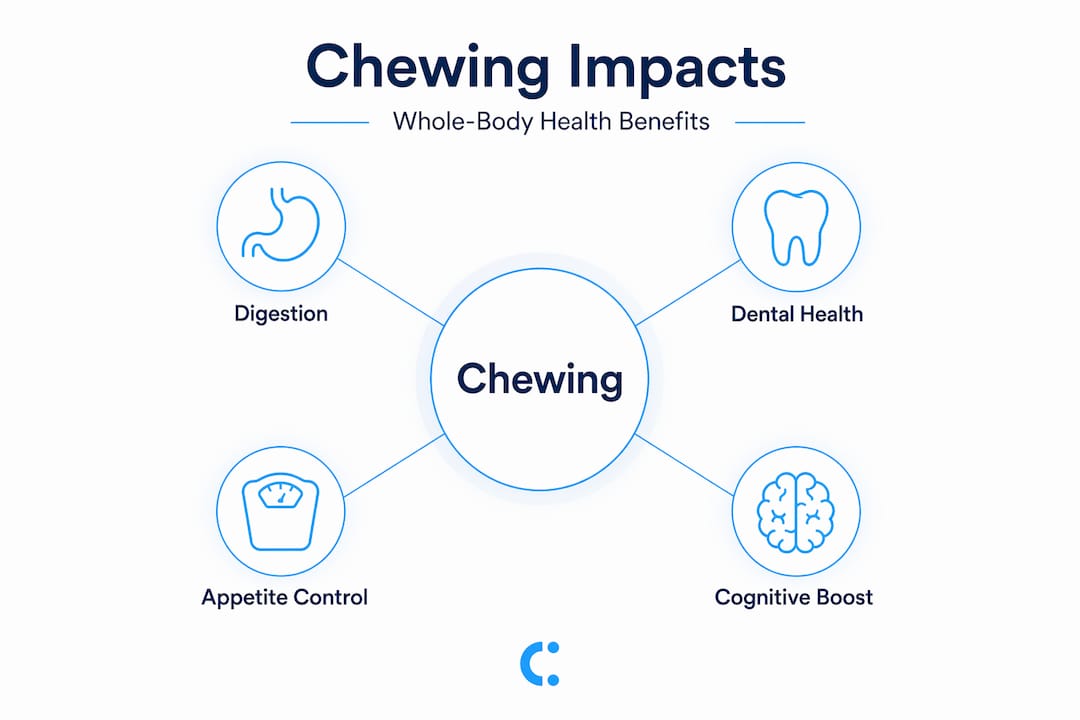
Poor chewing ability combined with fewer teeth contributes to oral frailty, which drives weight loss and measurable health decline in older adults. But the effects start accumulating well before you reach 65. Every decade of neglected chewing habits narrows your margin.
The cognitive connection is equally serious. A masticatory deficit is associated with cognitive decline, and having more functional teeth correlates directly with longer dementia-free life expectancy. Chewing stimulates the trigeminal nerve, which sends signals to the brain’s reticular activating system and increases oxygenated blood flow to the prefrontal cortex and hippocampus. These are not subtle effects.
“The mouth is not just the beginning of the digestive tract. It is a sensory and neurological hub whose health directly predicts the health of the brain and body downstream.”
Here is what proper chewing does on a systemic level:
- Stimulates saliva flow, which neutralizes oral acids, remineralizes enamel, and reduces cavity risk
- Activates neural circuits linked to alertness, memory consolidation, and reward processing
- Breaks food into smaller particles, increasing the surface area available to digestive enzymes
- Regulates appetite hormones, slowing eating speed and allowing fullness signals to register
- Reduces digestive discomfort by decreasing the load placed on the stomach and intestines
Understanding what gum types support dental health is a logical extension of this picture, particularly for adults who want to strengthen their masticatory habits between meals.
Preparing your mouth and environment for effective chewing
Good chewing technique does not start at the table. It starts with an honest audit of the conditions you are working with. If you have missing teeth, poorly fitted dental work, or chronic jaw tension, technique refinements will only take you so far.

Oral frailty can be improved early through dental care, targeted exercises, and muscle strengthening before serious decline sets in. That means booking that overdue dental appointment, addressing restorations you have been putting off, and talking to your dentist about bite balance.
Beyond clinical readiness, your environment and posture matter more than people expect:
- Sit upright with your head slightly forward and feet flat on the floor. Slouching compresses the throat and disrupts the swallow mechanics that follow chewing.
- Put away screens and phones. Distracted eating raises the odds of gulping, skipping chews, and missing satiety signals entirely.
- Commit to eating on both sides of the mouth. Most people have a dominant chewing side. Over time, asymmetric loading creates jaw muscle imbalance and accelerated wear on one side of the dentition.
- Start with softer foods if you are rebuilding jaw function after a period of neglect or dental work.
Pro Tip: Before a meal, take three slow breaths and relax your jaw. Chronic tension in the masseter (the large jaw muscle) is widespread among adults over 30 and actively interferes with efficient, even chewing.
| Preparation factor | Why it matters | Action to take |
|---|---|---|
| Dental health | Missing teeth reduce chewing surface and force distribution | See a dentist for restoration assessment |
| Posture | Upright position supports proper swallow mechanics | Sit up straight, head slightly forward |
| Jaw symmetry | One-sided chewing accelerates muscle imbalance | Consciously alternate chewing sides |
| Mindset | Distraction reduces chewing thoroughness | Eat without screens for at least one meal daily |
| Muscle tone | Weak jaw muscles limit chewing endurance | Use varied textures to progressively load jaw muscles |
For more on maintaining oral health alongside good chewing habits, the dentistry tips for gum enthusiasts resource is worth your time.
Step-by-step guide to mastering proper chewing techniques
This is where your chewing technique guide becomes concrete. These steps address how to chew food properly in a way that serves digestion, dental health, and cognitive function simultaneously.
- Take smaller bites. Cut or tear food into pieces no larger than what fits comfortably on one molar. Oversized bites force the jaw into awkward positions and compromise the evenness of the chew.
- Position food on your molars. The molars are designed for grinding. Chewing with your front teeth (incisors) is inefficient and puts mechanical stress on teeth that were not built for it.
- Chew 20 to 30 times per bite. Alternating sides while chewing slowly aids digestion and allows you to fully appreciate flavor and texture. Softer foods may need fewer repetitions; dense or fibrous foods may need more.
- Use gentle, rhythmic jaw movements. Do not clench or grind. The ideal chewing motion is controlled, even, and relaxed. Excessive force accelerates enamel wear and contributes to jaw pain over time.
- Pause before swallowing. Food should reach a smooth, paste-like consistency before you swallow. If you can still identify distinct food particles with your tongue, keep chewing.
- Apply the same discipline to gum chewing. Limit gum chewing to 20 minutes per session to prevent TMJ strain. Chew with relaxed jaw movements and alternate sides throughout.
Pro Tip: Set a quiet timer for your next meal and aim to spend at least 20 minutes eating. The physical constraint forces slower chewing without requiring you to count every bite.
| Technique element | Insufficient practice | Correct practice |
|---|---|---|
| Bite size | Large bites, mouth overfull | Small, manageable portions |
| Chew count | 5 to 8 rapid chews | 20 to 30 thorough, even chews |
| Jaw force | Clenching, grinding | Gentle, rhythmic pressure |
| Side distribution | Heavily favoring one side | Alternating sides evenly |
| Swallowing timing | Swallowing with lumpy food | Waiting for smooth consistency |
| Gum duration | Chewing for an hour or more | Limiting to 20-minute sessions |
For a deeper look at which chewing gum types for dental health complement these techniques, the right gum choice amplifies what correct mechanics already do.
Common mistakes, troubleshooting, and optimizing chewing habits
Even motivated adults fall into patterns that undercut their chewing effort. The most common problems are not ignorance. They are ingrained habits running on autopilot.
Rushing with bites larger than utensil capacity leads to poor texture breakdown. Small bites and mindful chewing prevent overeating and digestive issues. Knowing this is not enough. You have to build structure around it.
Common mistakes and how to correct them:
- Chewing too fast: Slow down by putting your fork down between bites. It feels awkward at first. That discomfort is just the old habit resisting replacement.
- Favoring one side: Check yourself mid-meal. If you realize you have been chewing on one side only, deliberately switch. Over weeks, this becomes automatic.
- Poor posture at the table: Slumping compresses your airway and changes the angle of your jaw. Sit up. The quality of your chewing physically depends on it.
- Ignoring jaw fatigue signals: Soreness around the TMJ (temporomandibular joint) or temple headaches after meals are warning signs. Back off on gum duration and chewy foods temporarily.
- Skipping texture variety: Eating the same soft foods every day does not challenge your jaw muscles. Incorporate raw vegetables, whole grains, and firm proteins to maintain masticatory strength.
- Mindless eating: Distracted meals consistently produce worse chewing mechanics. Even one focused meal daily makes a measurable difference over time.
Pro Tip: Keep a two-week chewing journal. Note jaw comfort, digestion quality, and meal duration. Patterns emerge fast, and having them in writing turns vague awareness into real behavioral data you can act on.
Pairing these corrections with dental health gum types that support saliva production gives you both a behavioral and a biochemical tool working in the same direction.
Anticipated benefits and verifying improvements in health
Getting your chewing habits right is not a single-payoff fix. The benefits accumulate across several systems, and knowing what to look for helps you stay motivated through the adjustment period.
Improved chewing stimulates saliva, reduces cavity risk, enhances appetite regulation, and supports cognitive function over time. These are not marginal gains. They compound.
On the cognitive side, chewing activates dopaminergic neural circuits linked to reward and cognitive well-being, a mechanism that explains why focused chewing can improve mental clarity and mood stability.
| Benefit category | Observable sign of improvement | Timeline |
|---|---|---|
| Digestion | Less bloating, fewer cramps after meals | 2 to 4 weeks |
| Dental health | Reduced sensitivity, fewer cavities at checkups | 3 to 6 months |
| Cognitive function | Improved focus, better working memory | 4 to 8 weeks |
| Weight management | Reduced portion sizes, slower eating pace | 3 to 6 weeks |
| Jaw comfort | No TMJ soreness after meals or gum sessions | 2 to 4 weeks |
What to monitor in practice:
- Digestive comfort after meals is the fastest feedback loop. Bloating and heaviness after eating often trace directly to insufficient chewing.
- Dental checkup results over 6 to 12 months. More saliva means a better oral pH buffer and less demineralization.
- Cognitive performance on focused tasks. Many adults notice sharper morning clarity after establishing slower, more deliberate breakfast habits.
- Meal duration. If you finish a full plate in under 10 minutes, you are not chewing enough. A realistic target is 15 to 20 minutes per meal.
“Chewing is the one health intervention you perform multiple times every day already. The question is whether you are doing it with intention or on complete autopilot.”
Why chewing technique is a powerful yet underrated tool for healthy aging
Here is the uncomfortable truth: chewing rarely appears in any serious conversation about preventive health. You will hear about sleep, exercise, nutrition, and stress management. Almost never chewing. Yet it sits at the intersection of all four.
Oral frailty often goes unnoticed until serious health decline has already set in. Professor Jun Aida’s research at the Institute of Science Tokyo frames this clearly: the cascade starts silently, with small losses in chewing ability that reduce food variety, compromise nutrition, and accelerate both physical and cognitive decline. By the time it becomes obvious, you are already managing consequences instead of preventing them.
The counter-intuitive reality is that chewing technique is not primarily a dental issue. It is a longevity issue. Adults who maintain strong masticatory function into their later decades tend to maintain better body weight, better cognitive scores, and better overall quality of life. The jaw is not just a food processor. It is a daily neuromuscular workout your brain depends on.
What makes this particularly frustrating is that the intervention costs nothing and takes no extra time. You already chew. The upgrade is behavioral, not logistical. Yet it requires more intention than most people are willing to bring to something that feels so mundane.
The adults who will benefit most from a proper chewing technique guide are not those who already suspect a problem. They are the ones who assume everything is fine because nothing hurts yet. Dental and cognitive erosion both operate below the awareness threshold for years before breaking the surface.
Pairing better mechanics with products that actively support oral chemistry, the way dentistry-focused chewing products do, is a logical and evidence-consistent step for anyone serious about this.
Enhance your chewing experience with Scandi Gum products
Correct chewing technique builds the foundation. The right product makes every session actively work for your biology.
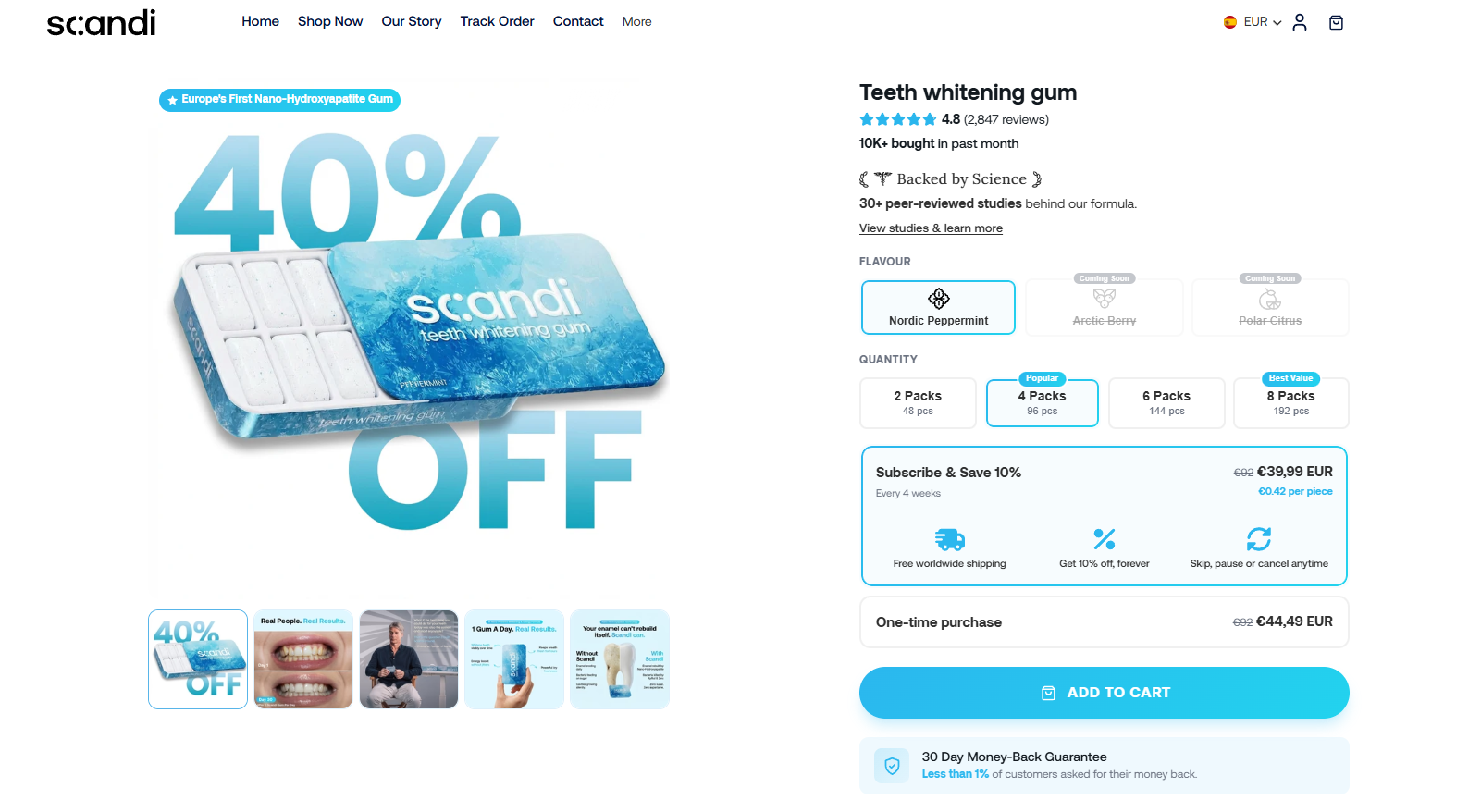
Scandigum is built on a different premise than most gums. Rather than prioritizing flavor, it uses the buccal mucosa, the highly vascularized lining of your mouth, to deliver active compounds directly into your bloodstream while simultaneously stimulating remineralizing saliva flow. The result is a controlled, sustained effect rather than a spike and crash. Each Scandigum product is formulated for a 15 to 20 minute chew window, which aligns precisely with the TMJ-safe duration the dental guidance recommends. For adults who want their daily chewing habits to do more, the full product guide is the clearest place to start.
Frequently asked questions
How many times should I chew each bite for best digestion?
Aim to chew each bite 20 to 30 times until the food breaks down into a soft, even consistency. Denser or more fibrous foods may need a few extra repetitions.
Can chewing gum improve my dental health?
Yes. Xylitol gums inhibit cariogenic bacteria and reduce cavity risk by stimulating saliva flow that neutralizes oral acids and supports enamel remineralization.
Is chewing related to cognitive benefits?
Chewing activates dopaminergic neural circuits linked to reward and cognitive processing, which supports mental clarity and working memory, especially in adults over 30.
How can I avoid jaw pain from chewing gum?
Limit gum sessions to 20 minutes and chew gently while alternating sides. This keeps loading symmetrical and prevents the cumulative TMJ strain that longer sessions create.
Why is slow chewing important for weight management?
Prolonged chewing enhances satiety hormones and reduces energy intake by giving fullness signals time to register before you have already eaten past your actual appetite.