

TL;DR:
- Tooth decay results mainly from bacterial acids attacking enamel through repeated acid exposure, not just from sugary foods.
- Managing acid levels: cluster intake, rinse after acidic drinks, stimulate saliva, and use fluoride to strengthen enamel, especially in adults over 30.
Most people blame candy and soda for their cavities, but the real story is more nuanced and more actionable than that. Tooth decay is driven by bacterial acids that attack your enamel continuously throughout the day, not just when you eat something sweet. Once you understand that the enemy is a cycle of acid exposure and incomplete repair, rather than any single food, you gain the ability to make targeted changes that actually work. This guide breaks down the real science of cavity formation and gives adults over 30 a clear, practical map for protecting their teeth for decades to come.
Table of Contents
- Understanding tooth decay: The science behind cavities
- Top risk factors for tooth decay after age 30
- The surprising role of diet, frequency, and saliva
- Prevention: Science-backed, convenient solutions for busy adults
- What most adults miss about tooth decay—and what actually works
- Ready for smarter oral care? Discover innovative solutions
- Frequently asked questions
Key Takeaways
| Point | Details |
|---|---|
| Decay is acid-driven | Bacteria feed on sugars and starches to create acids that erode tooth enamel. |
| Adults face unique risks | Gum recession and dry mouth heighten decay, especially for adults 30 and over. |
| Prevention is possible | Smart habits and convenient products can dramatically cut your cavity risk. |
| Saliva and timing matter | Frequent acid exposure and reduced saliva put teeth at risk even with a healthy diet. |
| Upgrade your routine | Incorporating fluoride, xylitol, and easy oral care options keeps prevention sustainable. |
Understanding tooth decay: The science behind cavities
Picture a microscopic war happening on your teeth right now. Bacterial colonies live in dental plaque, a sticky biofilm coating your teeth, and they are always hungry. When you eat or drink anything containing carbohydrates, those bacteria metabolize the sugars and starches, and acid production lowers oral pH below 5.5. At that threshold, the minerals that make up your enamel, primarily calcium and phosphate, begin dissolving out of the enamel structure. This is called demineralization.
The good news is that your mouth has a built-in repair system. Saliva is loaded with calcium and phosphate ions. When pH rises back above 5.5, those ions drift back into the enamel in a process called remineralization. Your teeth are constantly cycling between attack and repair, and a cavity only forms when the attacks consistently outnumber and outpace the repairs. That key insight changes everything about how you approach prevention.
Here is what drives that imbalance:
- Frequency of acid exposure matters more than the total amount of sugar consumed
- Low saliva flow cuts off your natural repair mechanism
- Poor plaque removal keeps the acid-producing bacteria densely packed against your enamel
- Fluoride deficiency slows remineralization because fluoride makes enamel more resistant to acid dissolution
Fluoride works by incorporating into the enamel structure during remineralization, forming a harder mineral called fluorapatite instead of plain hydroxyapatite. The upgraded mineral resists acid far better. That is why brushing with fluoride toothpaste is so much more protective than brushing without it.
Pro Tip: Rinse your mouth with plain water after acidic drinks like coffee or citrus juice. This raises oral pH quickly, shortening the demineralization window before your saliva fully recovers.
Here is a quick snapshot of how pH levels drive the decay process:
| Oral pH level | What happens to enamel | Common trigger |
|---|---|---|
| 7.0 (neutral) | Active remineralization | Resting state, water |
| 6.5 | Enamel stable but marginal | Milk, some vegetables |
| 5.5 (critical for enamel) | Demineralization begins | Sugary snacks, soda, fruit |
| 4.5 or below | Rapid mineral loss | Energy drinks, vinegar, citrus |
Understanding this table makes it immediately clear why sipping on a sugary drink for an hour is far more destructive than drinking it in five minutes. The longer you hold your oral pH below 5.5, the longer your enamel is dissolving. Explore oral health strategies for adults that are specifically calibrated around these cycles.
Top risk factors for tooth decay after age 30
Now that you understand the process, it is crucial to see how unique risk factors affect adults over 30. The decay risks you face in your thirties and beyond are meaningfully different from those in childhood, and they require a different approach.
“As gum tissue gradually recedes with age, the root surfaces of teeth become exposed. Root dentin has a critical pH of 6.2, compared to enamel’s 5.5, meaning it begins demineralizing at a significantly higher, more commonly reached pH.”
This is the root caries problem, and it affects adults 30 and over disproportionately. Root surfaces were never designed to face the oral environment directly. They lack the thick enamel armor that protects the crown of the tooth, and they decay faster at acid exposures that would barely affect healthy enamel.
Several other factors compound the risk profile as you age:
- Dry mouth from medications: Antihistamines, antidepressants, blood pressure medications, and dozens of other common drugs reduce saliva flow. Less saliva means less natural remineralization and a longer window of acid exposure after eating.
- Orthodontic appliances or dental restorations: Brackets, bridges, and partial dentures create surfaces where plaque accumulates and is harder to remove with standard brushing.
- Deep grooves in molars: The natural pits and fissures in back teeth trap food and bacteria. This is not age-related, but adults who have not had sealants placed remain at elevated risk throughout life.
- Lifestyle factors: Increased consumption of wine, coffee, and acidic foods is common in adulthood and extends daily acid exposure time considerably.
Here is how the two key tooth surfaces compare in vulnerability:
| Factor | Enamel (crown surface) | Dentin (root surface) |
|---|---|---|
| Critical pH for demineralization | 5.5 | 6.2 |
| Thickness of protective layer | 2 to 3 mm | Very thin cementum layer |
| Sensitivity to acid | Lower | Significantly higher |
| Risk factor in adults 30+ | Moderate | High with gum recession |
| Fluoride responsiveness | Strong | Moderate |
Understanding top oral care ingredients that specifically address root surface protection and remineralization can shift your prevention approach from reactive to genuinely proactive.
Key risk factors include dry mouth and receding gums, both of which are disproportionately common in adults over 30. Recognizing your personal risk profile is the single most important step in building a targeted prevention routine.
The surprising role of diet, frequency, and saliva
Beyond structural risks, everyday habits and diet surprisingly shape your decay risk in ways most adults have never been told.
The biggest dietary myth is that cutting out sugar is enough. The truth is that the timing and pattern of what you eat matters at least as much as the quantity. Consider this: a person who eats a single dessert with dinner and then cleans their teeth is at far lower risk than someone who sips a slightly sweetened coffee over three hours at their desk every morning. The dessert eater triggers one acid episode. The coffee sipper triggers a near-constant low-level acid attack for hours.
Here is how to think about managing acid exposure practically:
- Cluster your sweet or acidic intake. Eat sweets with meals rather than between them. Your buffering saliva production is already elevated at mealtime.
- Finish drinking, then stop. Do not nurse beverages over long periods. Drink your coffee in 20 minutes, not 90.
- Chase acidic foods with water or dairy. Water raises pH mechanically. Dairy delivers calcium and phosphate ions directly to your enamel surface.
- Chew sugar-free xylitol gum after meals. Chewing stimulates saliva flow, which accelerates the remineralization cycle and raises pH faster. The xylitol itself actively inhibits the bacteria most responsible for acid production.
- Do not brush immediately after acid exposure. Wait at least 30 minutes after an acidic meal or drink before brushing. Your enamel is temporarily softened, and brushing too soon can remove the partially demineralized surface layer.
Stat to know: Dental caries affects 2.5 billion people globally, making it the most prevalent non-communicable disease in the world. The same data shows that fluoride use reduces caries risk by 40 to 70 percent across populations.
That statistic reframes oral care from a personal hygiene nicety to a genuine public health priority. If you have dismissed your prevention routine as optional, that number should change your perspective.
Saliva is particularly worth understanding, especially if you take any regular medications. A healthy adult produces somewhere between 1 and 1.5 liters of saliva per day, and that flow is your primary biological defense against acid damage. When medications reduce that flow, even moderately, the protective equilibrium tips toward net demineralization. Staying hydrated, stimulating saliva flow through chewing, and discussing dry mouth with your doctor or dentist are not minor considerations. They are central to decay prevention.
Pro Tip: Keep a glass of water at your desk and sip it regularly between meals. It is the simplest and most underrated tool for maintaining healthy oral pH throughout the workday.
Exploring best dental-friendly gums and understanding how to upgrade your oral wellness routine can help you build these habits in a way that fits into real life without feeling like a medical regimen.
Prevention: Science-backed, convenient solutions for busy adults
Armed with understanding and context, let’s translate science into actionable, adult-friendly prevention steps. The evidence for what works is robust and consistent across major dental research institutions.
The non-negotiable foundation looks like this:
- Brush twice daily with a fluoride toothpaste containing at least 1000 to 1500 ppm (parts per million) of fluoride. Do not rinse your mouth with water immediately after brushing. Let the fluoride remain on your teeth for a few minutes to maximize absorption.
- Floss or use an interdental brush daily. Decay between teeth, called interproximal caries, accounts for a significant share of adult cavities and is completely invisible to brushing alone.
- Limit free sugars to under 10 percent of your total daily calorie intake, and ideally closer to 5 percent. This aligns with WHO recommendations and supports the frequency-first approach described above.
- Schedule regular dental checkups. Professional cleanings remove calcified plaque that no toothbrush reaches, and early demineralization detected as white spots is still reversible at that stage. Once a full cavity forms, a filling is required.
- Consider sealants for molars. If your back teeth have deep grooves, sealants provide a physical barrier that dramatically reduces the risk of pit and fissure cavities.
Beyond the basics, several innovative products make consistent prevention easier for people with demanding schedules:
- High-fluoride prescription toothpastes or varnishes: Available through your dentist, these deliver a much stronger remineralizing dose for people at elevated risk.
- Remineralizing mouth rinses: Products containing calcium, phosphate, and fluoride work synergistically to replenish enamel minerals throughout the day.
- Xylitol gum and mints: These work in two ways. First, they stimulate saliva flow. Second, xylitol is a sugar alcohol that the decay-causing bacteria consume but cannot metabolize for energy or acid production. Regular use measurably reduces the population of harmful bacteria in your mouth over time.
- Antibacterial mouthwashes: Chlorhexidine and cetylpyridinium chloride rinses reduce bacterial load, which is particularly useful after dental work or during periods of elevated risk.
The strongest prevention strategy combines consistent chewing gum for oral health alongside proven daily hygiene habits and periodic professional care. Convenience is not a compromise. It is a compliance strategy. The best prevention product is the one you actually use every day.
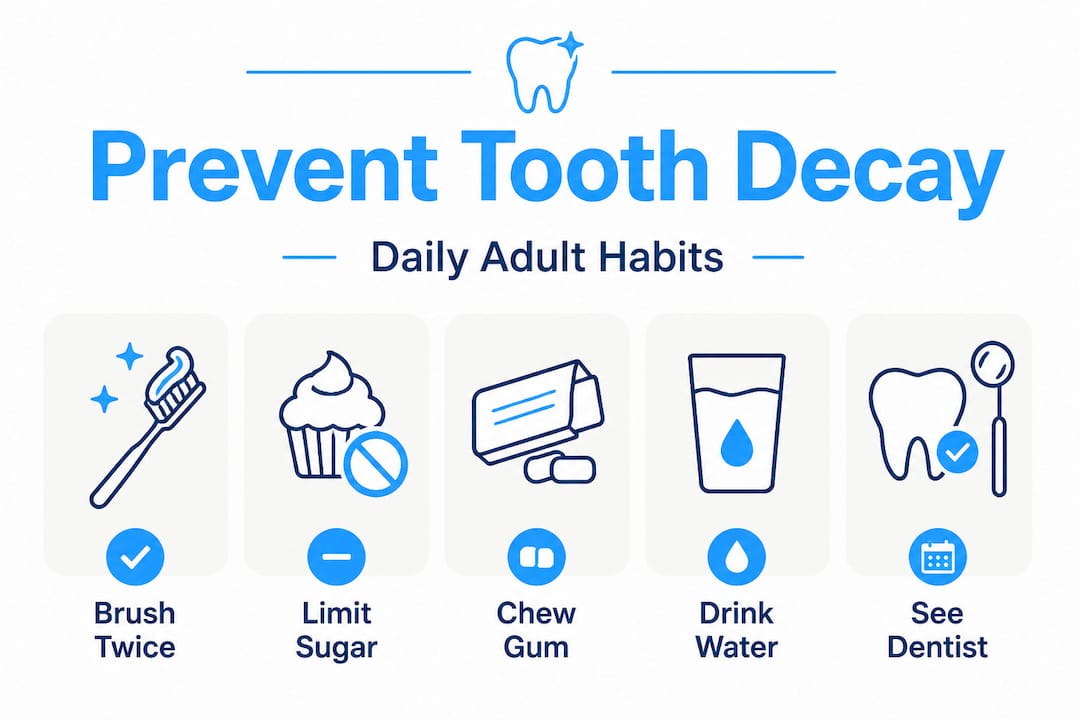
Brush twice daily with fluoride toothpaste, limit your sugar frequency, and combine that foundation with targeted functional oral care products to create layered protection that covers what brushing alone cannot reach.
What most adults miss about tooth decay—and what actually works
Here is something worth saying plainly: most adults who struggle with ongoing cavities are not failing because of willpower or ignorance. They are failing because they are solving the wrong problem. They fixate on identifying and eliminating “bad foods” rather than fixing the patterns and routines that let bacteria win.
The primary cause of decay is bacterial acid from plaque acting on fermentable carbohydrates. That is not a reason to demonize carbohydrates. It is a reason to manage acid exposure time. The distinction sounds minor but it changes everything about your daily decisions. Instead of guilt about what you eat, you focus on when you eat it, what you do afterward, and how well you support your natural repair mechanisms.
Small, consistent habit upgrades consistently outperform dramatic overhauls. Buying an expensive electric toothbrush and committing to a perfect routine for two weeks, then abandoning it under stress, protects your teeth far less than a modest manual routine you do every single day without fail. The same logic applies to prevention products. A xylitol gum you chew after lunch for years delivers measurable bacterial reduction. A remineralizing rinse used occasionally delivers almost nothing.
We also believe that convenience is the most underestimated variable in oral health. Products and routines that integrate into existing behavior, a quick chew after lunch, a rinse while doing something else, brushing with a timer, are adopted and maintained. Products that require effort, discipline, and schedule management get abandoned. This is not a character flaw. It is normal human behavior, and designing your prevention routine around that reality is the smart play.
The proven oral health strategies that actually move the needle for adults are consistent, layered, and leverage the biology of the mouth rather than fighting against daily life. That is the mindset shift worth making.
Ready for smarter oral care? Discover innovative solutions
If this guide has shifted how you think about tooth decay, the next step is exploring products designed specifically around the biology we’ve described. Understanding the science is only valuable when it connects to daily action.
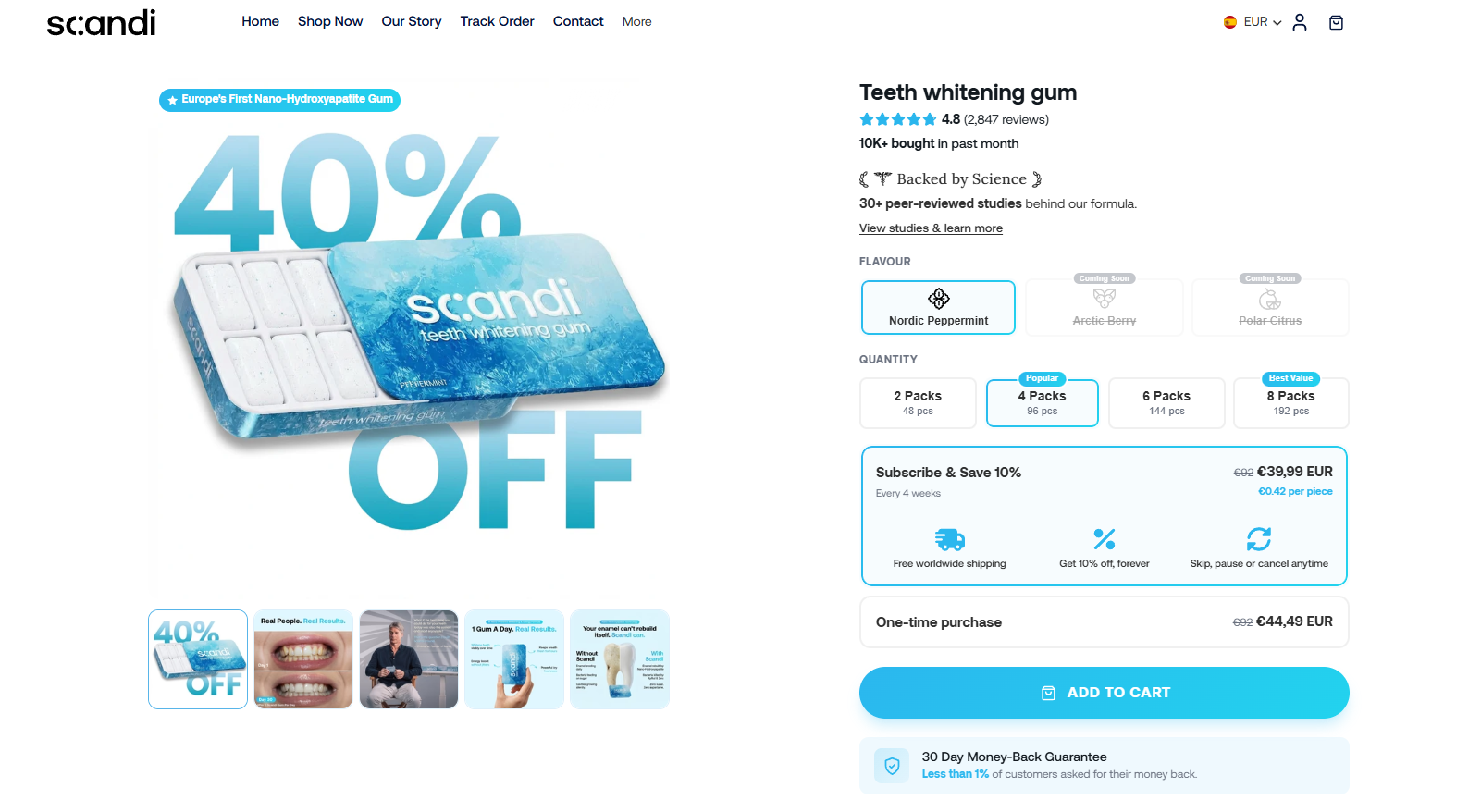
At Scandigum, our approach to oral care is rooted in the same remineralization science this article covers. Our advanced oral care solutions are designed to work with your mouth’s chemistry, not just mask symptoms. We use the buccal delivery advantage of chewing to support salivary flow, introduce mineralizing agents, and help shift your oral environment toward active repair rather than passive decay. If you want to understand the thinking behind the formulas, explore our story and see how functional logic drives every ingredient decision we make.
Frequently asked questions
Can tooth decay be reversed at home if caught early?
Yes, in its earliest stage visible as white spots on enamel, decay is still reversible with consistent fluoride use and improved oral hygiene before a cavity fully forms.
Why are adults over 30 more at risk for root caries?
Gum recession exposes root dentin, which begins demineralizing at pH 6.2, a much higher threshold than enamel’s 5.5, making it far more vulnerable to the acid levels reached in normal daily eating.
Is it worse to eat a lot of sugar in one sitting or snack on sweets all day?
Frequent snacking and sipping sustains a longer period of low oral pH, so continuous exposure causes more acid attacks and more total demineralization than a single larger sugar intake followed by rest and saliva recovery.
How does fluoride help prevent tooth decay?
Fluoride integrates into enamel during remineralization to form a more acid-resistant mineral, and fluoride reduces caries risk by 40 to 70 percent in populations with consistent access to it.
Are there products that can help adults reduce their risk conveniently?
Absolutely. High-fluoride toothpaste, xylitol gum, and remineralizing rinses each target a different mechanism of decay and together create layered protection that fits into a busy adult routine without requiring major lifestyle changes.