

TL;DR:
- Maintaining a balanced oral microbiome, controlling inflammation, and practicing consistent hygiene are key to systemic metabolic health.
- Adopting a plant-rich, high-fiber diet and deliberate chewing can boost oral and brain health through mechanical and nutritional mechanisms.
- Sustainable habits, along with innovative chewing solutions like bio-optimized gum, offer practical ways to improve overall metabolic well-being.
Your mouth is not just a gateway for food. It is a metabolic control panel, a microbial ecosystem, and a direct line to your brain’s alertness centers. Oral microbiome composition is now linked to metabolic outcomes spanning weight regulation, liver function, and diabetes risk, meaning the state of your gums and teeth can quietly steer your systemic health in ways most annual checkups never address. This article delivers practical, research-grounded strategies to strengthen your oral microbial balance, reduce inflammation, and sharpen your mental focus, because optimizing your oral environment is one of the highest-leverage moves you can make for whole-body performance.
Table of Contents
- Key criteria for optimal oral metabolic health
- Adopt a plant-forward, fiber-rich diet
- Master oral hygiene and inflammation control
- Harness chewing for bonus focus and metabolic gains
- The cautious case for probiotics and microbiome-targeted products
- What most guides miss about oral metabolic health: Our take
- Elevate your oral metabolic health with innovative chewing solutions
- Frequently asked questions
Key Takeaways
| Point | Details |
|---|---|
| Mechanics matter most | Chewing and diligent oral hygiene beat supplements for oral metabolic health. |
| Plant-forward eating wins | Fiber-rich, diverse diets create a healthier mouth and better metabolic outcomes. |
| Tame inflammation | Controlling gum inflammation breaks the cycle between oral and whole-body disease. |
| Chew for focus | Simple chewing can measurably improve your attention and working memory. |
| Be cautious with probiotics | Probiotic products for oral health are best viewed as experimental until proven by long studies. |
Key criteria for optimal oral metabolic health
Before you can build a useful routine, it helps to understand what you are actually trying to achieve. Oral metabolic health rests on five interconnected criteria, and weakness in any one of them creates a drag on the others.
The oral microbiome is interlinked with 44 distinct metabolic traits, which means a disrupted oral ecosystem does not stay local. When pathogenic bacteria gain a foothold, the resulting inflammation can travel systemically, altering glucose metabolism, liver enzyme activity, and inflammatory markers throughout the body.
Here are the five foundational criteria to keep in mind:
- Microbial balance. A diverse, stable community of oral bacteria protects against pathogen overgrowth. Diversity is protective; monocultures of harmful species are not.
- Inflammation control. Chronic periodontitis is both a cause and an effect of poor glycemic control, creating a self-reinforcing inflammatory cycle that is hard to break without deliberate intervention.
- Dietary quality. Excess sugar and ultra-processed foods feed harmful bacteria and acidify the oral environment below the critical pH of 5.5, triggering enamel demineralization.
- Mastication (chewing). Deliberate chewing stimulates salivary flow, increases cerebral blood flow, and activates the trigeminal nerve pathway. These effects go well beyond simple food processing. You can learn more about optimizing gum chewing for both dental and cognitive benefits.
- Consistent hygiene. Regular brushing, flossing, and professional cleanings remove the biofilm before it can calcify into tartar and trigger chronic low-grade infection.
“Oral health and systemic metabolic health are not separate categories. They share common causes, common pathways, and common solutions. Treating them in isolation is the real gap in most wellness programs.”
The practical implication is simple but powerful: a routine that addresses all five criteria simultaneously produces compounding benefits. The next sections show you exactly how to build that routine.
Adopt a plant-forward, fiber-rich diet
Diet is the single most modifiable variable in your oral microbial environment. What you eat does not just affect your teeth; it determines which bacterial species thrive in your mouth, and those species in turn shape your inflammatory baseline and metabolic function.
High-fiber, plant-enriched diets support oral microbiome homeostasis and reduce oral and systemic inflammation, while heavily processed diets actively promote dysbiosis (microbial imbalance) and periodontitis. The mechanism is straightforward: fermentable plant fibers feed beneficial oral and gut bacteria, while refined sugars and starches feed acid-producing pathogens.
What to prioritize:
- Leafy greens such as spinach, arugula, and kale (rich in dietary nitrates that favor anti-inflammatory bacteria)
- Cruciferous vegetables and colorful produce loaded with polyphenols
- Whole grains, legumes, and raw nuts for their fiber and prebiotic value
- Fermented vegetables in moderation to introduce beneficial microbial diversity
What to minimize:
- Added sugars in all forms, including natural syrups and fruit juice concentrates
- Soft drinks and sports drinks, which combine acid and sugar in a particularly destructive combination
- Ultra-processed snack foods with long ingredient lists of refined starches and emulsifiers
Here is a comparison of three common dietary patterns and their impact on oral and metabolic health:
| Diet pattern | Oral microbiome effect | Inflammation level | Metabolic impact |
|---|---|---|---|
| Plant-forward / high-fiber | Promotes diversity and balance | Low | Favorable glucose and lipid profiles |
| Mediterranean | Broadly protective, polyphenol-rich | Low to moderate | Reduced cardiovascular and metabolic risk |
| Processed/high-sugar | Promotes dysbiosis and pathogen growth | High | Elevated insulin resistance and systemic inflammation |
The Mediterranean pattern deserves special mention. Its combination of olive oil polyphenols, nitrate-rich vegetables, and minimal refined carbohydrates creates a particularly favorable oral and metabolic environment. If a complete dietary overhaul feels daunting, starting with one change, replacing sweetened beverages with water and adding one daily serving of leafy greens, produces measurable benefits within weeks.
Pro Tip: Chewing raw vegetables slowly increases salivary flow and mechanical cleansing while delivering prebiotic fiber to your oral microbiome. It is essentially brushing with food.
Diet is foundational, but daily routines and oral practices can reinforce or undermine these benefits. Let’s examine them next.
Master oral hygiene and inflammation control
Hygiene is not glamorous, but the research is unambiguous. Controlling oral inflammation through consistent periodontal care can measurably improve glycemic control in diabetic patients, and periodontal therapy is one of the few non-pharmaceutical interventions shown to lower systemic inflammatory markers.
The practical protocol is built on four steps:
- Brush twice daily with fluoride toothpaste. Use a soft-bristled brush and a gentle circular technique. Aggressive scrubbing damages enamel and gum tissue without adding cleansing benefit.
- Floss every day without exception. Interdental spaces harbor the highest concentrations of periodontal pathogens. No mouthwash, water flosser, or tongue scraper replaces this mechanical step.
- Monitor for bleeding gums. Bleeding is not normal. It is your tissue telling you that bacterial biofilm has activated an immune response. Healthy gums do not bleed with proper brushing and flossing.
- Schedule professional cleanings every six months, or quarterly if you have a history of periodontal disease. Professional instrumentation removes subgingival calculus that daily brushing physically cannot reach.
Anti-inflammatory mouth rinses containing chlorhexidine or essential oil blends can support treatment during active periodontitis flares, but these are adjuncts to mechanical cleaning, not replacements. Always confirm their use with your dentist, as some formulations affect the oral microbiome in ways that may not be beneficial for long-term use.
Pro Tip: Oil pulling with cold-pressed coconut or sesame oil for five minutes before brushing can help reduce surface biofilm, though it should never replace conventional flossing. Think of it as a primer, not a substitute.
The downstream metabolic benefits of rigorous oral hygiene are not a future possibility. They are documented, measurable, and accessible to anyone willing to invest eight minutes a day.
Harness chewing for bonus focus and metabolic gains
Most people think of chewing as purely mechanical food processing. The neuroscience tells a different story. The rhythmic compression and release of mastication activates the trigeminal nerve, which projects directly into the brain’s reticular activating system, the network responsible for sustained alertness. Simultaneously, chewing increases heart rate and pushes oxygenated blood to the prefrontal cortex and hippocampus.

Chewing measurably boosts working memory performance and frontocentral theta oscillations, the brain wave pattern associated with focused attention and active memory retrieval. This is not a subtle effect. Theta power increases are visible on EEG recordings and correlate with measurable improvements in task performance.
Here is how different chewing approaches compare for cognitive and oral metabolic outcomes:
| Approach | Attention effect | Salivary flow | Oral pH benefit | Practical use |
|---|---|---|---|---|
| No chewing (passive) | Baseline | Low | None | N/A |
| Standard gum chewing | Moderate boost | High | Moderate buffering | Before focus tasks |
| Functional chewing gum | Moderate boost | High | Moderate buffering | Before focus tasks |
| Deliberate food chewing (raw vegetables) | Moderate boost | Very high | Strong buffering + fiber | With meals |
One critical finding: functional gum reduced cognitive errors versus a no-gum control on sustained attention tasks, but the functional ingredients did not produce measurable benefits beyond chewing alone. The mechanical act is the active ingredient. Understanding the science behind chewing gum and focus helps set realistic expectations while capturing real gains.
Practical implementation:
- Chew at a moderate, rhythmic pace for one to two minutes before a task requiring sustained attention, such as a deep work session, a presentation, or a high-stakes meeting.
- Chew sugar-free gum after meals to neutralize oral acids and extend the salivary response.
- Treat chewing as a deliberate practice, not an unconscious habit, to maximize its neurological priming effect.
The benefits of chewing gum for dental health, energy delivery, and brain function are well-supported by the underlying physiology, provided you approach them with a mechanics-first mindset rather than ingredient-label obsession.
The cautious case for probiotics and microbiome-targeted products
The probiotic oral health space is expanding fast, and the marketing frequently outpaces the evidence. Here is what the current research actually supports.
Some probiotic strains, particularly Lactobacillus reuteri and Streptococcus salivarius, show modest reductions in cavity-causing bacteria and improvements in halitosis scores in short-term studies. These are real effects, but they are small, variable, and disappear quickly when supplementation stops.
Routine probiotic use for oral health is still experimental, with modest benefits that are highly strain-specific and protocol-dependent. Long-term clinical outcomes, such as reduced tooth loss, lower periodontal disease incidence, or measurable metabolic improvements, have not been demonstrated in well-controlled trials.
A realistic picture of oral probiotics looks like this:
- Potential modest benefit: Reduced counts of Streptococcus mutans (a key cavity pathogen), mild halitosis improvement, temporary microbiome shift toward less pathogenic species.
- Highly variable: Effects depend on the specific strain, dose, delivery format (lozenge versus capsule versus rinse), and how consistently you use the product.
- Short-lived: Benefits typically reverse within weeks of stopping supplementation, suggesting colonization resistance prevents permanent microbiome shifts.
- Not a substitute: No probiotic product replaces brushing, flossing, or dietary discipline. Think of them as minor tune-ups, not engine replacements.
“Before adding any probiotic or microbiome-targeted oral product to your routine, consult your dentist. What helps one person’s oral ecology may be neutral or counterproductive for another.”
The honest advice is to treat oral probiotics as an experimental add-on for people who already have their fundamentals locked in, not as a shortcut for people who do not.
What most guides miss about oral metabolic health: Our take
Here is the uncomfortable reality: the oral health supplement market is dominated by products chasing trends rather than evidence. Activated charcoal, oil-pulling concentrate blends, designer probiotic complexes, and ingredient-forward chewing gums all circulate with confident health claims attached. Most of those claims rest on preliminary research, small sample sizes, or mechanisms extrapolated from gut health studies.
The mechanics-first approach is what actually delivers, prioritizing microbial balance, inflammation reduction, and deliberate chewing. These three pillars address the biological root causes rather than symptoms. They are also the interventions with the deepest and most consistent evidence base.
We hold a specific view on this: the cognitive and metabolic benefits of chewing are primarily mechanical, not molecular. The trigeminal activation, the theta oscillation increase, the salivary buffering, these occur because your jaw is moving rhythmically and your salivary glands are responding. Proprietary ingredient blends can support this substrate, particularly when designed around buccal absorption and sustained release, but they cannot manufacture effects that the mechanical act does not already generate.
What does this mean practically? It means your first investment should be in advanced chewing gum benefits that you understand mechanically, not in the most heavily marketed product. It means diligent twice-daily brushing will outperform any supplement that sits beside a neglected toothbrush. And it means that dietary restraint around sugar, maintained consistently over months, will reshape your oral microbiome and metabolic baseline in ways that no probiotic can replicate in a two-week trial.
Sustainable habits are not exciting. They are, however, the only thing the long-term data supports.
Elevate your oral metabolic health with innovative chewing solutions
You have covered the research, the criteria, and the daily habits. Now consider what happens when chewing mechanics meet thoughtful formulation design.
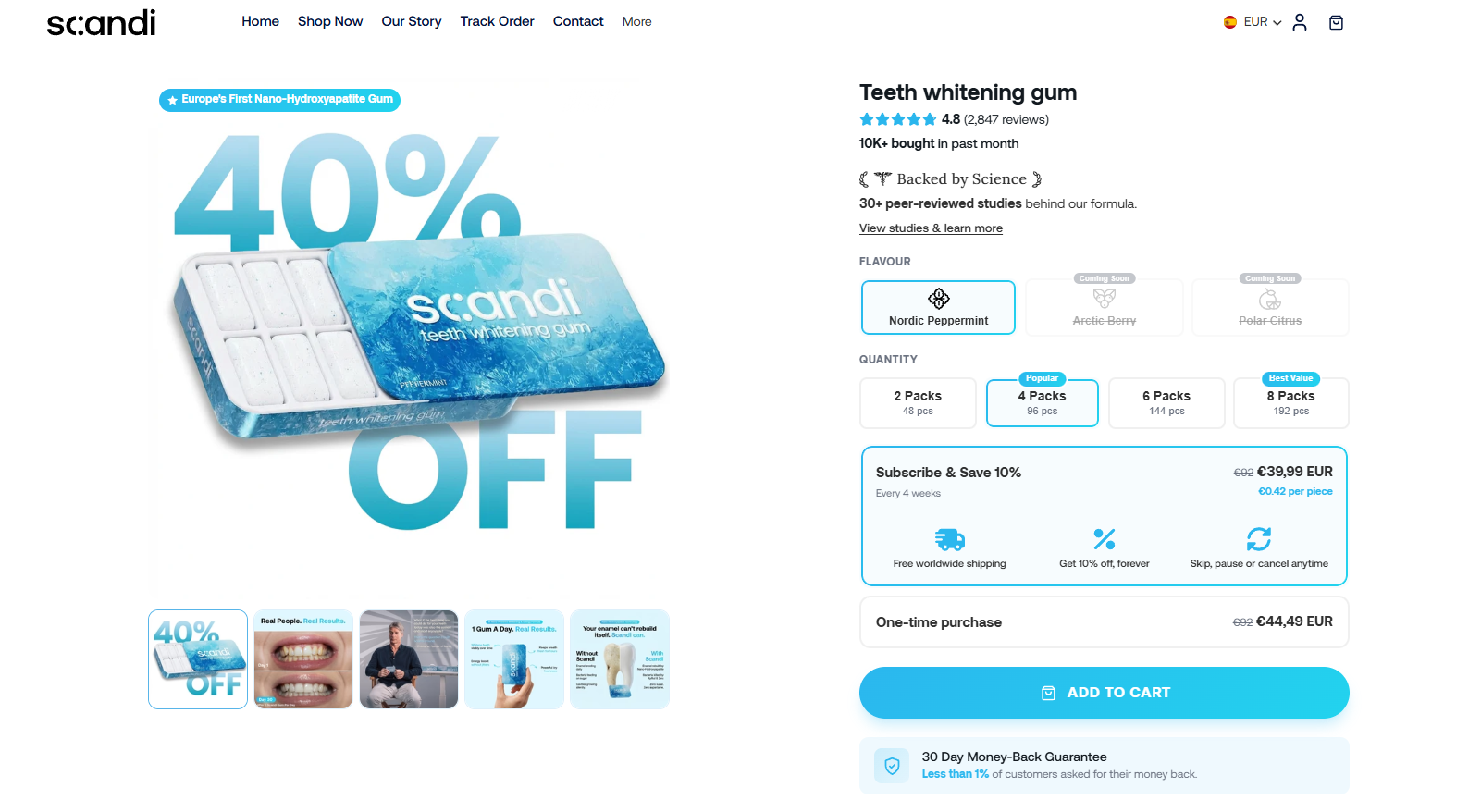
Scandigum was built around one core insight: the mouth is a delivery system, not just a cavity to clean. By leveraging buccal absorption, the physical priming power of mastication, and dental chemistry that favors remineralization, Scandigum translates the science covered in this article into a single deliberate practice. The Scandi Gum story is rooted in bio-optimization rather than flavor trends. Every product decision runs through a mechanics-first filter: does this support the chewing act, the oral environment, and systemic delivery? If you are ready to put the evidence to work, how Scandi Gum innovates shows you exactly how the design philosophy translates into your daily routine.
Frequently asked questions
How does chewing gum impact cognitive function and attention?
Chewing gum for even one minute before focus tasks can boost attention and working memory by enhancing brain connectivity and theta oscillation power, as shown in recent chewing research. The effect is driven by trigeminal nerve activation and increased blood flow to the prefrontal cortex.
Are functional ingredients in gum better than regular chewing for cognition?
No. Studies confirm that functional ingredients in gum did not enhance focus beyond what chewing alone produces, meaning the mechanical act delivers the core cognitive benefit.
What is the best diet for oral metabolic health?
A plant-enriched, high-fiber diet supports oral microbiome balance and lowers systemic inflammation, while processed and high-sugar diets raise the risk of both oral and metabolic dysfunction.
Is it worth using probiotics for oral health?
Evidence for probiotic supplementation in oral health remains modest and experimental, with effects that are highly strain-specific and tend to reverse when supplementation stops.