

Your mouth is more than a gateway for food. It’s a biological interface that shapes cognitive function, cardiovascular health, and systemic inflammation. Yet choosing the right oral wellness habits can feel overwhelming. Should you stick with traditional brushing and flossing, or explore emerging practices like oral exercises and natural remedies? This article cuts through the noise. You’ll discover evidence-backed habits that not only protect your teeth and gums but also support brain health and overall vitality. Each recommendation is grounded in recent research and designed for health-conscious adults seeking practical, innovative solutions.
Table of Contents
- Key takeaways
- Criteria for selecting effective oral wellness habits
- Top oral wellness habits explained
- Innovative and traditional practices for enhanced oral wellness
- Comparing oral wellness habits: benefits and practical considerations
- Optimize your oral wellness routine with Scandi Gum
- Frequently asked questions about oral wellness habits
Key Takeaways
| Point | Details |
|---|---|
| Regular brushing lowers dementia risk | Brushing twice daily with fluoride toothpaste is linked to lower dementia risk and fewer cardiovascular events by reducing plaque and systemic inflammation. |
| Flossing reduces bacteria | Flossing removes interdental plaque missed by brushing and with alcohol free mouthwash helps protect saliva defenses and overall oral health. |
| Hydration supports saliva flow | Drinking eight or more glasses of water daily keeps saliva flowing, supports digestion, and helps maintain oral pH balance. |
| Oral exercises boost saliva | Chewing and targeted oral activities stimulate saliva production and can improve comfort and quality of life for older adults. |
Criteria for selecting effective oral wellness habits
Not all oral care routines deliver equal results. To separate science from marketing, evaluate habits using these criteria. First, prioritize evidence-based habits like frequent toothbrushing and dental visits to reduce cognitive decline risks. Research shows that consistent oral hygiene correlates with lower rates of dementia and cardiovascular disease. Second, assess feasibility. Habits must fit into your daily routine without excessive cost or complexity. Third, consider the role of saliva. This often-overlooked fluid neutralizes acids, delivers minerals to enamel, and contains antimicrobial enzymes. Practices that stimulate saliva flow, such as chewing or oral exercises, offer compounding benefits. Fourth, recognize the oral-brain connection. Chronic gum inflammation releases cytokines that cross the blood-brain barrier, potentially accelerating cognitive decline. Finally, personalize your approach. Your age, health status, and lifestyle shape which habits will stick.
Key criteria to evaluate oral wellness habits:
- Scientific validation linking oral and cognitive health outcomes
- Feasibility and time requirements for adults aged 30 and up
- Impact on saliva production and oral pH balance
- Integration potential with existing routines and modern tools
- Long-term adherence and sustainability
By applying these filters, you can build a routine that protects your teeth while supporting brain function and systemic health. The next section breaks down the top habits that meet these standards, giving you actionable steps to implement immediately. For a deeper look at how functional products can enhance your oral health workflow with functional confectionery, explore innovative approaches that complement traditional care.
Top oral wellness habits explained
The foundation of oral wellness starts with habits you already know, executed with precision. Regular toothbrushing twice daily with fluoride toothpaste improves cognitive function and reduces disease risks. Studies show that consistent brushing lowers dementia risk by nearly a quarter and reduces cardiovascular events. The mechanism is straightforward: removing plaque reduces systemic inflammation, which protects both arteries and neurons. Use a soft-bristled brush and apply gentle pressure. Excessive force above 2.5 Newtons damages gums and enamel, leading to recession and sensitivity.
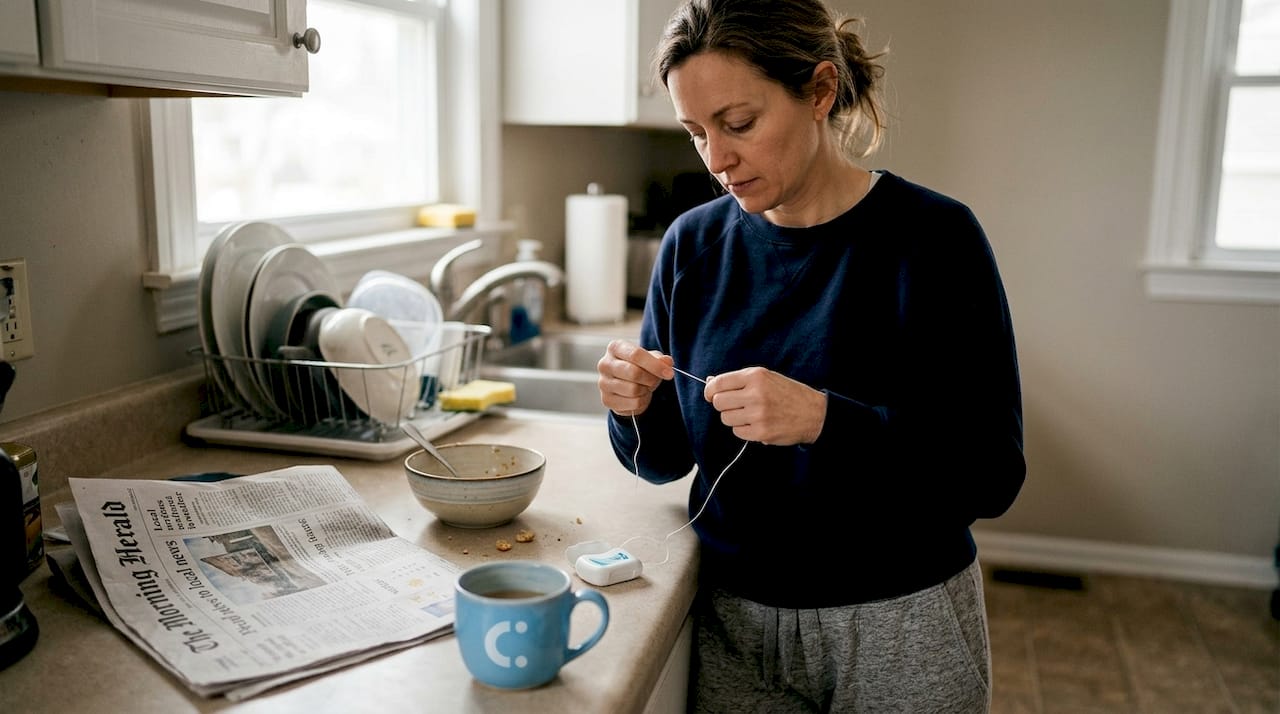
Flossing and antimicrobial mouthwash form the next layer. Flossing removes interdental plaque that brushing misses, while mouthwash delivers active agents to hard-to-reach areas. Together, they reduce bacterial load and support saliva’s natural defense mechanisms. Choose alcohol-free formulas to avoid drying out oral tissues. Hydration is equally critical. Saliva is 99% water, and even mild dehydration compromises its flow and composition. Aim for eight or more glasses daily. This simple habit maintains the oral ecosystem, supports digestion, and ensures optimal neurotransmitter function.
Pro Tip: Set a timer for two minutes when brushing. Most people brush for less than a minute, missing significant plaque. Use circular motions and tilt the brush at a 45-degree angle to the gumline for maximum effectiveness.
Professional care rounds out the core routine. Regular dental visits allow for mechanical plaque removal and early detection of issues like cavities or gum disease. However, research shows that repeated oral hygiene instructions alone often suffice for maintaining gingival health, making at-home consistency the true driver of long-term outcomes. Schedule cleanings every six months, but recognize that your daily habits matter more than any single office visit. For those seeking to optimize oral health workflow with functional confectionery, integrating products that stimulate saliva and deliver minerals can amplify these foundational practices.
Core habits to adopt:
- Brush twice daily for two full minutes with fluoride toothpaste
- Floss once daily and rinse with antimicrobial mouthwash
- Drink eight or more glasses of water to maintain saliva flow
- Visit a dental professional every six months for assessment and cleaning
Innovative and traditional practices for enhanced oral wellness
Beyond brushing and flossing, emerging and time-tested practices offer additional pathways to oral health. Oral exercises improve salivary flow, swallowing, bite force, and oral health quality especially for older adults. These exercises include tongue stretches, cheek presses, and salivary gland massage. Performed daily, they counteract age-related declines in oral function. For caregivers supporting aging parents or relatives, incorporating these movements into morning routines can yield measurable improvements in comfort and nutrition.
Traditional methods like miswak sticks and oil pulling have gained renewed attention. Miswak and oil pulling reduce plaque and gingivitis comparably to conventional methods short-term but need long-term validation. Miswak, derived from the Salvadora persica tree, contains natural antimicrobials and abrasives. Oil pulling involves swishing coconut or sesame oil for 10 to 20 minutes to bind and remove bacteria. Both show promise in clinical trials, though long-term data remains limited. If you’re drawn to natural approaches, these can complement, but not replace, fluoride toothpaste and professional care.
| Practice Type | Example | Evidence Strength | Ease of Use | Cognitive Benefit |
|---|---|---|---|---|
| Conventional | Brushing, flossing, mouthwash | High (extensive RCTs) | Very easy | Strong (via inflammation reduction) |
| Innovative | Oral exercises, functional gums | Moderate (emerging studies) | Moderate | Moderate to strong (saliva and chewing stimulation) |
| Traditional | Miswak, oil pulling | Low to moderate (short-term trials) | Moderate | Limited direct evidence |
Pro Tip: If you’re over 50 or caring for an older adult, add five minutes of oral exercises to your morning routine. Tongue stretches, cheek presses, and gentle gland massage take minimal time but deliver measurable improvements in saliva production and swallowing comfort.
Innovative products bridge the gap between tradition and science. Functional chewing gums that deliver minerals and stimulate saliva combine the physical act of mastication with targeted ingredients. This approach supports enamel remineralization and cognitive arousal through increased cerebral blood flow. For more on how minerals in oral care contribute to stronger enamel, explore the chemistry behind hydroxyapatite repair and pH neutralization.
Supplemental practices to consider:
- Perform oral exercises daily, especially if over 50 or supporting aging family members
- Explore miswak or oil pulling as adjuncts to conventional hygiene, not replacements
- Integrate functional products that stimulate saliva and deliver remineralizing agents
- Monitor your oral pH and adjust habits to maintain a neutral to slightly alkaline environment
Comparing oral wellness habits: benefits and practical considerations
Choosing the right mix of habits requires understanding trade-offs. The table below compares top practices across effectiveness, cognitive support, ease of integration, and limitations. Brushing and flossing remain the gold standard due to robust evidence and simplicity. Hydration offers universal benefits with zero downside. Professional mechanical plaque removal combined with oral hygiene instructions improves plaque and gingival outcomes, but repeated instructions alone often suffice. This means that while professional cleanings help, your daily routine drives long-term results.
| Habit | Effectiveness | Cognitive Support | Time Required | Key Limitation |
|---|---|---|---|---|
| Twice-daily brushing | Very high | Strong (reduces inflammation) | 4 minutes/day | Requires proper technique to avoid damage |
| Daily flossing | High | Moderate (reduces bacterial load) | 2 minutes/day | Often skipped due to perceived inconvenience |
| Optimal hydration | High | Moderate to strong (supports neurotransmitters) | Ongoing habit | Requires consistent intake throughout day |
| Professional plaque removal | Moderate to high | Indirect (via inflammation control) | 2-4 visits/year | Cost and access barriers for some |
| Oral exercises | Moderate | Moderate (improves swallowing, saliva) | 5 minutes/day | Requires consistency and caregiver support for elderly |
| Miswak or oil pulling | Low to moderate | Limited evidence | 10-20 minutes/day | Lacks long-term validation, not a replacement |
Improper technique poses risks. Brushing too hard or using a medium or hard-bristled brush causes gum recession and enamel wear. Flossing aggressively can damage gum tissue. Start gently and focus on consistency over intensity. Customize your routine based on your health profile. If you have dry mouth, prioritize hydration and saliva-stimulating products. If you’re managing gum disease, increase flossing frequency and consider antimicrobial rinses. For those interested in how functional products fit into a comprehensive approach, review strategies for an oral health workflow with functional confectionery that integrates chewing-based delivery systems.
The most effective routine combines evidence-based core habits with personalized enhancements. Track your adherence for 30 days to identify gaps. Adjust based on feedback from dental professionals and your own observations of gum health, breath quality, and overall comfort. The goal is not perfection but sustainable progress that protects both your mouth and your mind.
Optimize your oral wellness routine with Scandi Gum
You’ve learned the science behind effective oral wellness habits. Now consider how functional products can amplify your efforts. Scandi Gum leverages the physical act of chewing to stimulate saliva production, deliver remineralizing agents, and support cognitive arousal through increased cerebral blood flow. By combining targeted ingredients with buccal absorption, it offers a metabolic advantage over traditional supplements that pass through the digestive system.
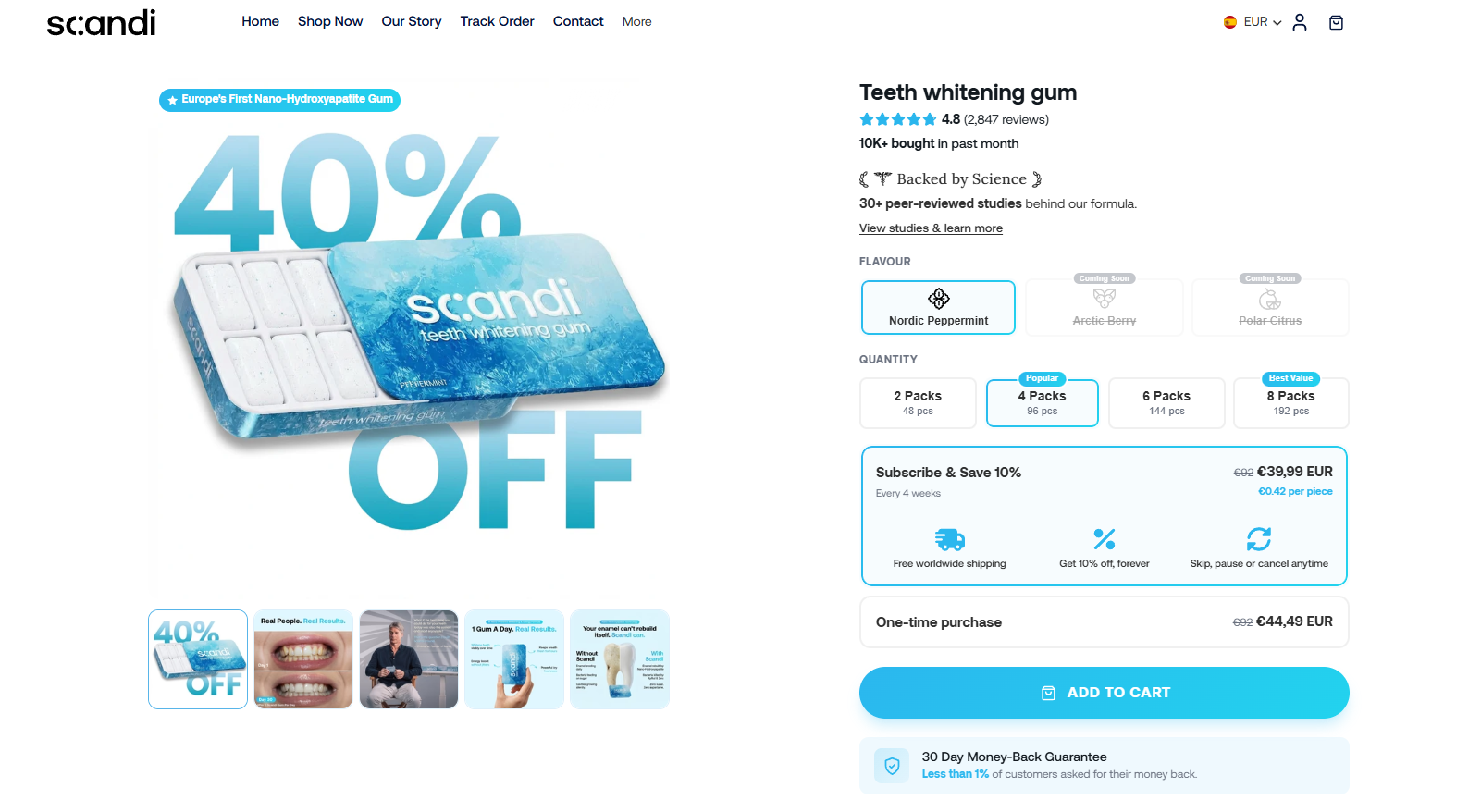
Whether you’re looking to strengthen enamel, maintain optimal hydration, or enhance focus during your workday, Scandi Gum products integrate seamlessly into your routine. Explore our range and discover how functional confectionery complements your core oral hygiene practices. For deeper insights, visit our blog to learn more about optimizing your oral health workflow with functional confectionery and the role of minerals in oral care for stronger enamel. Your mouth is a biological interface. Treat it like one.
Frequently asked questions about oral wellness habits
How does oral health influence brain function?
Chronic gum inflammation releases cytokines that cross the blood-brain barrier, accelerating cognitive decline and increasing dementia risk. Consistent oral hygiene reduces this systemic inflammation, protecting neural pathways and supporting long-term cognitive health.
Can miswak replace traditional toothbrushes entirely?
Miswak shows short-term efficacy comparable to toothbrushes for plaque and gingivitis reduction, but lacks long-term validation and does not deliver fluoride. Use it as a complement to, not a replacement for, fluoride toothpaste and conventional brushing.
What is the best way to avoid gum recession while brushing?
Use a soft-bristled brush and apply gentle pressure below 2.5 Newtons. Brush in circular motions at a 45-degree angle to the gumline, and avoid horizontal scrubbing. Replace your brush every three months to maintain bristle integrity.
How often should I consult dental professionals for optimal health?
Schedule professional cleanings and assessments every six months. However, daily at-home hygiene drives long-term outcomes more than office visits. Consistent brushing, flossing, and hydration matter most.
Are oral exercises suitable for all ages?
Yes, but they offer the greatest benefit for adults over 50 and those with reduced oral function. Tongue stretches, cheek presses, and salivary gland massage improve saliva flow, swallowing, and bite strength with minimal time investment.