

Dentistry tips for gum enthusiasts: enhance oral health
You love chewing gum, but are you choosing one that actually supports your gum health? Most gums prioritize flavor or freshness, leaving dental benefits as an afterthought. The right chewing gum can actively reduce plaque, neutralize acids, and fight cavity-causing bacteria. This article reveals evidence-backed criteria and top formulations that turn your daily chewing habit into a powerful oral health tool. You’ll learn which ingredients matter most, how to compare leading options, and practical tips to maximize benefits while avoiding jaw strain or other risks.
Table of Contents
- Criteria For Choosing Gum To Support Gum Health
- Top Beneficial Gums And Their Active Ingredients
- Comparing Sugar-Free Gum Options For Gum Enthusiasts
- Tips For Safe, Effective Gum Chewing To Boost Oral Health
- Discover Scandi Gum’s Dental-Enhancing Chewing Gums
Key takeaways
| Point | Details |
|---|---|
| Sugar-free formulation is essential | Gums sweetened with polyols like maltitol or xylitol prevent acid production and actively reduce cavity-causing bacteria. |
| Active ingredients boost effectiveness | Natural compounds like propolis and chitosan offer antimicrobial benefits that go beyond mechanical chewing alone. |
| Frequency matters for protection | Chewing sugar-free gum three or more times daily provides significantly better dental caries reduction. |
| Watch for jaw fatigue | Excessive chewing can cause temporomandibular joint pain and muscle strain, so moderation is key. |
| Gum supplements, not replaces, brushing | Even the best gum cannot substitute for daily brushing and flossing routines. |
Criteria for choosing gum to support gum health
Selecting the right chewing gum requires understanding what separates dental-friendly options from those that harm your teeth. Sugar content tops the list of factors to avoid. When bacteria in your mouth metabolize sugar, they produce acid that demineralizes enamel and triggers decay. Sugar-free formulations eliminate this risk entirely.
Look for gums sweetened with polyols, particularly maltitol or xylitol. These sugar alcohols don’t just avoid harm; they actively promote oral health. Polyols enhance salivary flow and reduce cariogenic bacteria populations. The benefits extend beyond simple mechanical action.
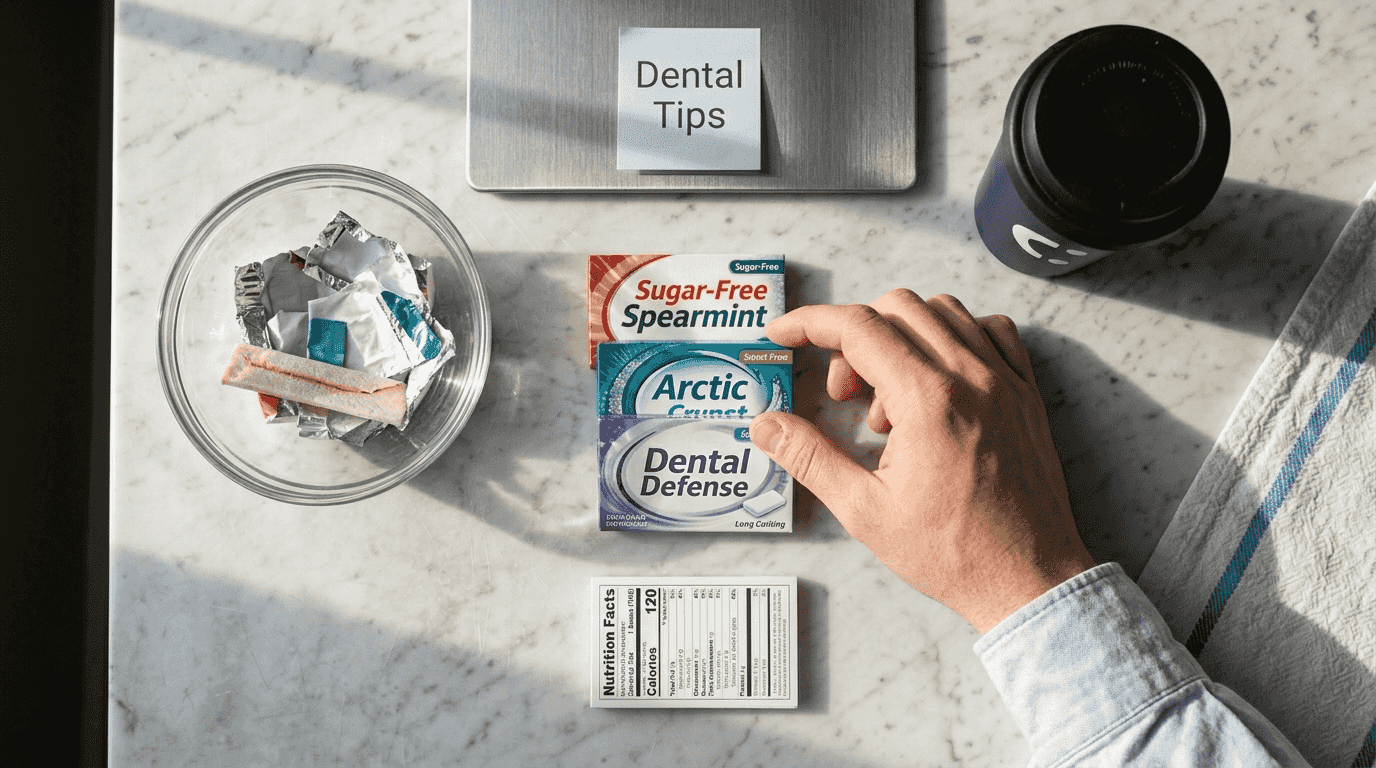
Natural antimicrobial compounds add another layer of protection. Ingredients like propolis and chitosan inhibit bacterial growth and reduce inflammation. These substances work synergistically with the physical act of chewing to create a hostile environment for plaque formation.
Salivary stimulation deserves special attention. Increased saliva flow neutralizes acids, washes away food particles, and delivers minerals that repair early enamel damage. The best gums maximize this effect through both their base formulation and active ingredients.
Frequency recommendations matter more than most people realize. Chewing three or more times daily provides measurably better protection against dental caries compared to occasional use. Consistency turns a pleasant habit into a preventive health practice.
When evaluating options, prioritize these factors:
- Sugar-free certification to prevent acid attacks on enamel
- Polyol sweeteners like maltitol or xylitol for bacterial reduction
- Natural antimicrobial additives for enhanced protection
- High salivary flow stimulation for acid neutralization
- Clear usage frequency guidelines for optimal results
Products like Scandi gum incorporate these evidence-based criteria into their formulations, making selection straightforward for health-conscious consumers.
Top beneficial gums and their active ingredients
Specific gum formulations stand out for their clinically validated ingredients and mechanisms. Understanding these options helps you match products to your oral health goals.
SweetPearl maltitol gum demonstrates remarkable anti-gingivitis properties. Clinical studies show maltitol inhibits gingivitis and reduces plaque accumulation more effectively than standard sugar-free alternatives. The unique molecular structure of this polyol creates an environment where harmful bacteria struggle to colonize gum tissue.
Propolis-containing gums offer a natural antimicrobial powerhouse. Derived from bee resin, propolis has been used in traditional medicine for centuries. Modern research confirms its effectiveness: propolis gum reduces dental plaque, papillary bleeding, and gingival inflammation as effectively as prescription mouthwash. The anti-inflammatory compounds in propolis target the root causes of periodontal disease.
Xylitol gum targets cavity-causing bacteria with precision. Studies reveal xylitol significantly decreases mutans streptococci counts and plaque accumulation compared to sorbitol-based alternatives. This five-carbon sugar alcohol interferes with bacterial metabolism, essentially starving the microorganisms that produce enamel-damaging acids.
Chitosan represents an emerging frontier in dental gum technology. This natural polymer derived from shellfish exhibits strong antimicrobial properties and adheres to tooth surfaces, creating a protective barrier. While research continues, early findings suggest chitosan-enhanced gums may offer sustained protection between chewing sessions.
The key takeaway: choosing gum with these active ingredients transforms chewing from a passive activity into an active defense strategy. Products like Scandi 1 combine multiple beneficial compounds to maximize oral health outcomes.
These formulations work through distinct mechanisms:
- Maltitol creates an inhospitable environment for gingivitis-causing bacteria
- Propolis delivers anti-inflammatory and antimicrobial compounds directly to gum tissue
- Xylitol disrupts the metabolic pathways of cavity-causing streptococci
- Chitosan forms protective films on tooth surfaces for extended defense
Comparing sugar-free gum options for gum enthusiasts
With multiple effective formulations available, understanding their relative strengths helps you make informed choices based on your specific oral health priorities.
| Gum type | Primary benefit | Best for | Limitation | | — | — | — | | Maltitol gum | Gingivitis inhibition and plaque reduction | Those with gum inflammation or early periodontal disease | Requires consistent use for maximum effect | | Xylitol gum | Mutans streptococci reduction and cavity prevention | High cavity risk individuals or those with active decay history | Less effective for gum inflammation specifically | | Propolis gum | Anti-inflammatory action and antimicrobial protection | General gum health maintenance and inflammation control | May cause allergic reactions in bee product-sensitive individuals | | Chitosan gum | Sustained protective barrier formation | Long-term plaque prevention between brushing sessions | Limited long-term human studies available |
Maltitol formulations excel at addressing gum tissue health directly. The anti-gingivitis properties make these gums ideal for anyone experiencing bleeding, swelling, or early signs of periodontal disease. Regular use creates measurable improvements in gum attachment and reduces pocket depth.
Xylitol stands out for cavity prevention. If your dental history includes frequent fillings or your dentist has flagged high cavity risk, xylitol gum should be your primary choice. The bacterial reduction occurs rapidly, with measurable decreases in streptococci counts within weeks of regular use.
Propolis gums offer the broadest spectrum of benefits. The natural antimicrobial and anti-inflammatory properties address both bacterial populations and tissue response. This makes propolis formulations excellent for general maintenance and prevention.
Frequency amplifies all these benefits. Chewing three or more times daily for prolonged periods delivers significantly better caries reduction than occasional use. However, balance this against potential risks. Frequent chewing may cause jaw fatigue and aggravate temporomandibular joint issues in susceptible individuals.
Pro Tip: Alternate which side of your mouth you chew on and limit each session to 10 to 15 minutes. This prevents overloading jaw muscles on one side and reduces strain on the temporomandibular joint while still delivering full dental benefits.
When comparing options like those available through Scandi gum, consider your specific oral health challenges, tolerance for extended chewing, and whether you have any sensitivities to ingredients like propolis or sorbitol.
Tips for safe, effective gum chewing to boost oral health
Maximizing dental benefits while minimizing risks requires strategic incorporation of gum chewing into your daily routine. These evidence-based practices help you optimize outcomes.
-
Time your chewing sessions strategically. Chewing after meals stimulates saliva to neutralize acids and remove plaque when your mouth needs it most. Aim for 10 to 15 minutes per session, which provides sufficient salivary flow without overtaxing jaw muscles.
-
Limit total daily chewing duration. While frequent sessions offer benefits, excessive chewing creates problems. Prolonged chewing tires jaw muscles and may trigger headaches or worsen temporomandibular joint pain. Three to five sessions of 10 to 15 minutes each provides optimal protection without overuse.
-
Alternate chewing sides deliberately. Most people unconsciously favor one side, creating muscle imbalances and uneven wear patterns. Consciously switching sides distributes mechanical stress evenly and prevents localized jaw fatigue.
-
Monitor digestive responses to sugar alcohols. While polyols offer dental benefits, they can cause gas, bloating, or diarrhea in sensitive individuals. Sorbitol particularly triggers these effects. If you experience digestive discomfort, switch to xylitol or maltitol-based options, which typically cause fewer gastrointestinal issues.
-
Maintain comprehensive oral hygiene practices. Gum chewing enhances but never replaces brushing and flossing. Even the most effective antimicrobial gum cannot remove established plaque or clean between teeth. Continue twice-daily brushing with fluoride toothpaste and daily flossing.
-
Recognize warning signs of excessive use. Jaw soreness, clicking sounds when opening your mouth, or pain near your ears indicate temporomandibular joint stress. Reduce chewing frequency immediately and consult your dentist if symptoms persist.
Pro Tip: If you have existing temporomandibular joint pain or a history of jaw problems, consult your dentist before increasing gum chewing frequency. They can assess your joint health and recommend safe usage levels specific to your anatomy.
Products designed with oral health in mind, such as Scandi 1, often include usage guidelines that balance efficacy with safety. Following these recommendations helps you harness dental benefits while protecting jaw health.
Discover Scandi Gum’s dental-enhancing chewing gums
You’ve learned the science behind beneficial gum ingredients and safe chewing practices. Now it’s time to put that knowledge into action with products specifically formulated for oral health enhancement.
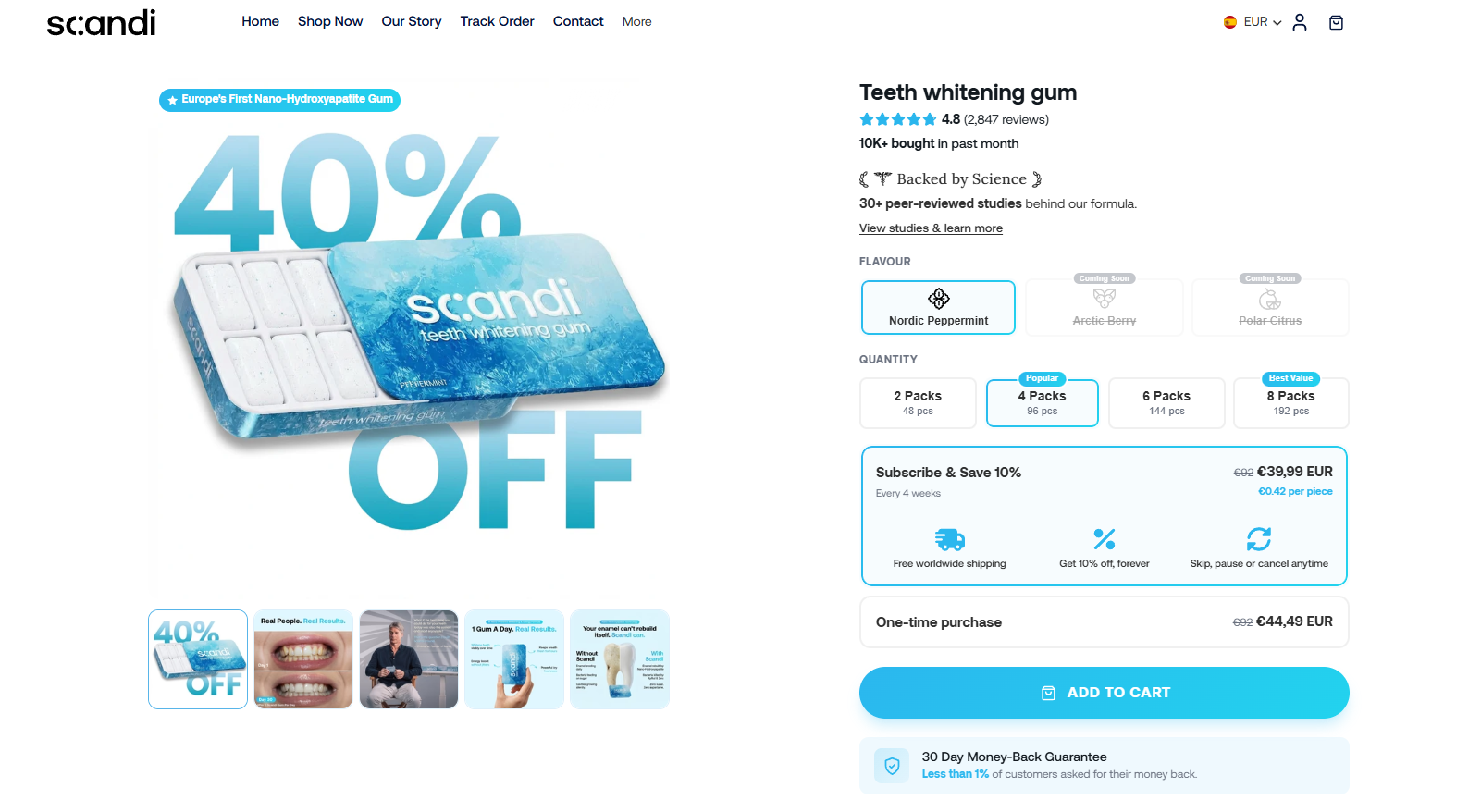
Scandi Gum applies bio-optimization principles to every formulation. Their sugar-free gums utilize maltitol and xylitol to reduce cavity-causing bacteria while stimulating the salivary flow that neutralizes acids and remineralizes enamel. The propolis-infused options deliver natural antimicrobial compounds directly to gum tissue, addressing inflammation at its source.
Whether you’re targeting cavity prevention with Scandi 1 or seeking the aesthetic benefits of teeth whitening gum, each product incorporates evidence-based ingredients that transform chewing from a habit into a health practice. The formulations leverage buccal absorption for efficient delivery while the mechanical action of chewing stimulates blood flow to gum tissue.
Visit the official Scandi Gum site to explore options tailored to your specific oral health goals and experience how functional gum design supports your dental care routine.
FAQ
What is the best sugar substitute in gum for oral health?
Xylitol and maltitol rank as the top sugar substitutes for dental health. These polyols don’t ferment in your mouth, preventing the acid production that causes cavities and supporting natural plaque reduction. They also stimulate saliva flow, which delivers minerals to repair early enamel damage and maintains optimal oral pH.
Can chewing gum replace brushing and flossing?
Chewing gum enhances saliva production and reduces bacterial populations, but it cannot replace mechanical cleaning. Gum should supplement, not substitute, brushing and flossing. You must maintain daily brushing with fluoride toothpaste and flossing to remove established plaque and clean interdental spaces that gum cannot reach.
How often should I chew gum for dental benefits?
Chewing three or more times daily, especially after meals, provides optimal dental protection. Each session should last 10 to 15 minutes to maximize salivary flow and antimicrobial effects. Avoid exceeding this duration to prevent jaw muscle fatigue and temporomandibular joint strain.
Are there any risks to frequent gum chewing?
Excessive chewing can cause jaw fatigue and aggravate temporomandibular joint pain, particularly in individuals with existing jaw problems. Some sugar substitutes like sorbitol may trigger digestive discomfort including gas and bloating in sensitive people. Moderate your chewing duration and frequency, alternate sides, and choose gentler polyols like xylitol or maltitol if you experience gastrointestinal issues.