

TL;DR:
- Preventive care like regular cleanings and good habits significantly reduce long-term dental costs.
- Shopping for affordable, high-quality providers and comparing treatment estimates can save money.
- Using dental plans, insurance, or pre-tax accounts wisely helps manage expenses and avoid overpaying.
Dental bills have a way of showing up uninvited and throwing off even the most carefully planned budget. A single root canal can run over $1,000 out of pocket, and that’s before the crown. The good news is that most of what drives those bills is predictable and, with the right approach, largely preventable. This guide walks you through the real cost drivers behind dental expenses, the daily habits that protect your wallet as much as your teeth, and the practical tools for finding quality care at a price that doesn’t make you wince.
Table of Contents
- Understand what drives your dental costs
- Adopt cost-cutting oral hygiene and nutrition habits
- Choose affordable dental providers and compare care options
- Make smart use of dental plans, insurance, and savings tools
- The real reason most people overpay at the dentist
- A simple next step: invest in your smile wisely
- Frequently asked questions
Key Takeaways
| Point | Details |
|---|---|
| Prevention saves most | Consistent at-home care and checkups are the biggest money-savers for dental health. |
| Shop for providers | Quality dental care doesn’t have to be expensive if you compare fees and seek second opinions. |
| Use smart payment tools | FSAs, HSAs, and knowing when dental insurance makes sense can dramatically reduce out-of-pocket costs. |
| Explore clinics or schools | Dental schools and clinics are quality, affordable alternatives when regular insurance or payment is not an option. |
Understand what drives your dental costs
Dental expenses fall into three broad buckets: routine preventive care, emergency or reactive treatments, and elective procedures. Most people focus on the third bucket when they think about cost, but the second one is where budgets actually break. Emergency visits for infections, extractions, or broken teeth are almost always more expensive than the preventive care that could have avoided them in the first place.
The numbers tell a clear story. Adults who skip regular cleanings and checkups face a dramatically higher risk of untreated decay. Financial hardship leads to 3.27 times more untreated dental disease compared to those who can access routine care. That gap compounds fast. A small cavity that costs $150 to fill today becomes a $900 root canal in two years if left alone.
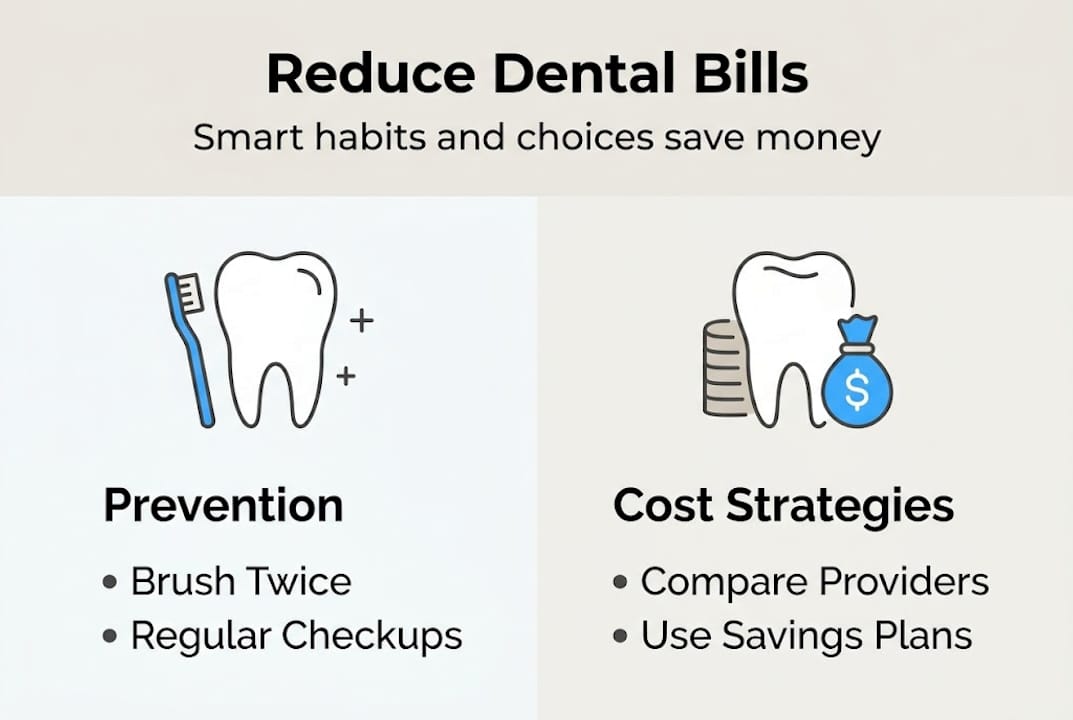
About 14% of American adults avoid dental care entirely because of cost. That avoidance feels like savings in the short term, but it’s one of the most expensive financial decisions a person can make for their long-term health. Understanding dental economics helps reframe preventive spending as an investment, not an expense.
Here’s a quick look at how treatment costs escalate when prevention is skipped:
| Condition | Preventive cost | Reactive treatment cost |
|---|---|---|
| Early cavity | $0 (fluoride, hygiene) | $150 to $300 (filling) |
| Moderate decay | $150 to $300 (filling) | $900 to $1,500 (root canal + crown) |
| Gum disease (early) | $100 to $200 (cleaning) | $1,000 to $4,000 (periodontal therapy) |
| Cracked tooth | $0 (mouthguard) | $1,500 to $3,000 (crown or extraction) |
The core takeaway is simple: preventive care avoids far more costly treatments down the road. Routine brushing, flossing, and professional cleanings are not optional extras. They are the single most effective financial strategy in dentistry.
Key cost drivers to watch:
- Skipping biannual cleanings
- Delaying treatment when symptoms appear
- Choosing elective cosmetic procedures without comparing providers
- Lacking any form of dental coverage or discount plan
- Ignoring diet’s role in enamel erosion and decay
Adopt cost-cutting oral hygiene and nutrition habits
Knowing the main cost drivers, you can take charge with smart habits that pay off in the long run. The most powerful dental savings tool you own is your toothbrush. That sounds obvious, but most adults underestimate how much their daily routine determines their annual dental bill.
Here is a practical daily framework:
- Brush twice daily with a fluoride toothpaste for a full two minutes each session.
- Floss once a day, ideally before bed, to remove plaque from between teeth where brushes can’t reach.
- Rinse with a fluoride or antibacterial mouthwash to neutralize acid and reduce bacterial load.
- Limit sugar and acidic foods, especially between meals, to reduce the frequency of acid attacks on enamel.
- Chew dental-friendly gum after meals when brushing isn’t possible to stimulate saliva and help neutralize oral pH.
- Stay hydrated with water throughout the day to support natural salivary flow and enamel remineralization.
- Schedule cleanings every six months and don’t postpone them when life gets busy.
Nutrition matters more than most people realize. Sugar feeds the bacteria that produce the acids responsible for enamel erosion. Cutting back on soda, juice, and processed snacks is not just a general health tip. It directly reduces your cavity risk and, by extension, your dental spending.
Chewing sugar-free gum is one of the most underrated tools in natural dental health methods. It stimulates saliva production, which is your mouth’s built-in defense system. Saliva neutralizes acids, delivers calcium and phosphate to enamel, and washes away food debris. Chewing for 15 to 20 minutes after meals can meaningfully shift your oral environment from acidic to neutral.
“Preventive care is the single most effective way to reduce long-term dental costs. Brushing, flossing, and regular cleanings are not optional. They are the foundation of every smart dental savings strategy.”
Pro Tip: Invest in a quality electric toothbrush. Studies consistently show they remove more plaque than manual brushing, and the cost of a good electric toothbrush is a fraction of a single filling.
Choose affordable dental providers and compare care options
Even the best habits can’t eliminate every cost, so spend wisely when you need in-office care. One of the most overlooked ways to reduce dental bills is simply shopping for your provider the same way you’d shop for any other major service.
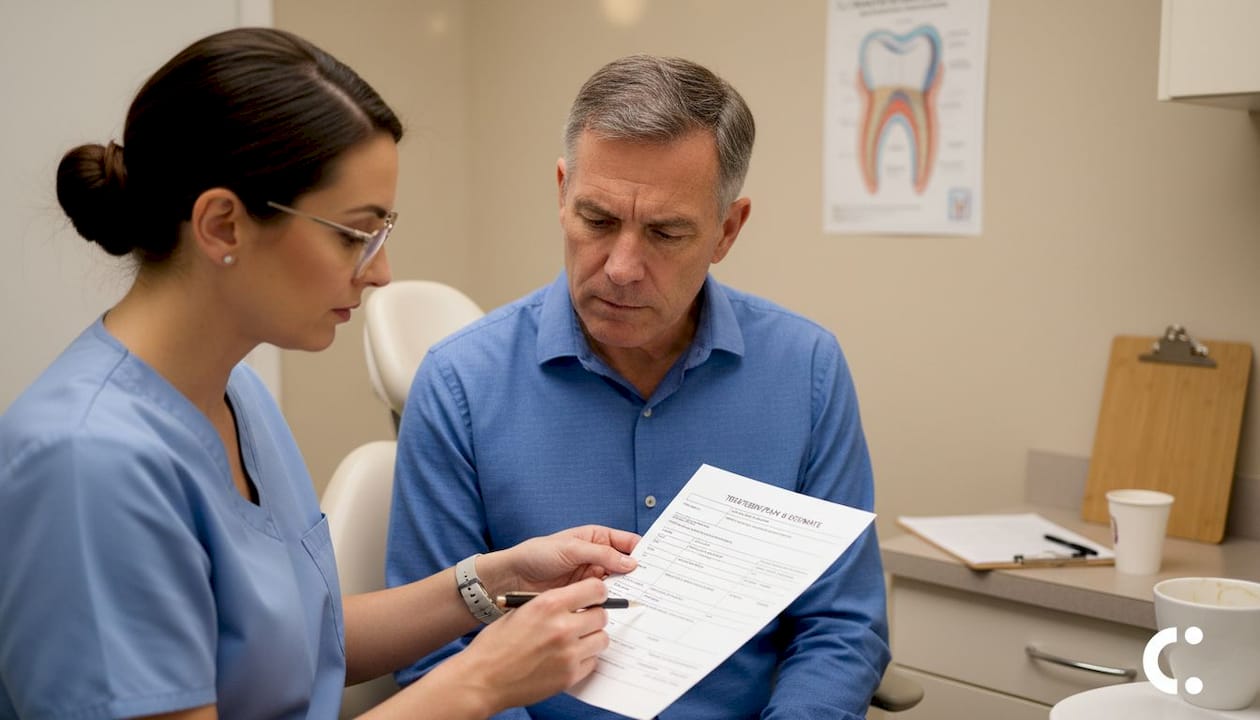
About half of high-quality dentists quoted lower-than-average fees in independent surveys, while still earning top ratings from patients. That means quality and affordability are not mutually exclusive. You just have to look.
Here’s a comparison of your main provider options:
| Provider type | Typical cost level | Quality notes |
|---|---|---|
| Private practice dentist | High | Varies widely; shop and compare |
| Dental school clinic | Low (40 to 70% less) | Supervised by licensed professionals |
| Community health clinic | Very low to free | Income-based; federally funded |
| Corporate dental chain | Medium | Convenient but watch for upsells |
Practical tips for finding lower-cost, high-quality care:
- Call at least three dental offices and ask for a fee schedule before booking
- Check patient reviews on Google and Healthgrades, not just price
- Ask if the practice offers cash-pay discounts or payment plans
- Look into proven dental health tips to reduce how often you need in-office visits
- Contact local dental schools, which provide supervised care at dramatically reduced rates
Pro Tip: Always get a second opinion before agreeing to any procedure over $500. Overtreatment is a real issue in dentistry, and a second opinion costs little but can save you thousands.
Written cost estimates are your right as a patient. Before any procedure, ask for an itemized estimate in writing. This protects you from surprise charges and gives you a basis for comparison. If a dentist is reluctant to provide one, that’s a red flag worth taking seriously.
Make smart use of dental plans, insurance, and savings tools
After you’ve picked providers, choose the right payment tools and coverage to avoid nasty surprises. Dental insurance, discount plans, FSAs, and HSAs all serve different purposes, and picking the wrong one for your situation can cost you more than having nothing at all.
Here’s a breakdown of the main options:
| Tool | How it works | Best for |
|---|---|---|
| Traditional dental insurance | Monthly premium; covers % of costs | Frequent users with predictable needs |
| Dental discount plan | Annual fee; negotiated rates | Uninsured adults needing routine care |
| FSA (Flexible Spending Account) | Pre-tax payroll dollars; use-it-or-lose-it | Employees with predictable annual dental costs |
| HSA (Health Savings Account) | Pre-tax; rolls over year to year | Those with high-deductible health plans |
| Marketplace dental plans | Stand-alone or bundled; two coverage tiers | Adults without employer coverage |
The Healthcare.gov Marketplace offers stand-alone dental plans in two tiers: high and low coverage. These are not required for adults, but they can be cost-effective depending on your expected treatment needs for the year.
How to evaluate whether insurance makes sense for you:
- Add up your total annual dental spending over the past two to three years.
- Compare that figure to the annual premium plus any deductibles and co-pays.
- If your spending is low and predictable, a discount plan may cost less than full insurance.
- If you have significant planned work, insurance often pays off.
- Check whether your preferred dentist is in-network before purchasing any plan.
FSAs and HSAs reduce your effective dental costs by 15 to 30% or more, simply by letting you pay with pre-tax dollars. For seniors on Medicare, Medicare Savings Programs can help cover costs that standard coverage misses.
The critical insight most people miss: insurance premiums can exceed total benefits for low utilizers. Run the numbers for your specific situation before assuming insurance is always the right move. Sometimes paying cash at a discounted rate, combined with strong preventive habits, is the smarter financial play. Also, check oral wellness tips to reduce how much treatment you need in the first place.
The real reason most people overpay at the dentist
Here’s the uncomfortable truth: most adults overpay at the dentist not because dental care is inherently unaffordable, but because they treat it like an emergency service rather than a managed expense. They show up when something hurts, accept the first recommendation they receive, and pay whatever they’re billed. That passive approach is expensive.
Insurance feels like a safety net, but premiums often exceed actual benefits for people who maintain good oral health. The math simply doesn’t favor low utilizers. Yet most people renew their dental plan every year without ever checking whether it’s actually saving them money.
The underused tools that actually work are provider shopping and second opinions. These two actions alone can cut thousands from your lifetime dental spending. Most people never do either. They feel awkward questioning a dentist’s recommendation or calling around for prices, but that discomfort is costing them real money.
The real shift is treating your oral health as a long-term investment with a clear return. Consistent prevention, smart provider selection, and honest evaluation of your coverage options are not complicated. They just require the same attention you’d give any other significant household expense. Explore long-term dental savings strategies to build that habit into your routine.
A simple next step: invest in your smile wisely
Everything in this guide points to one core principle: prevention is the most powerful financial move you can make for your dental health. The strategies here work best when they’re part of a consistent daily routine, not a one-time fix.
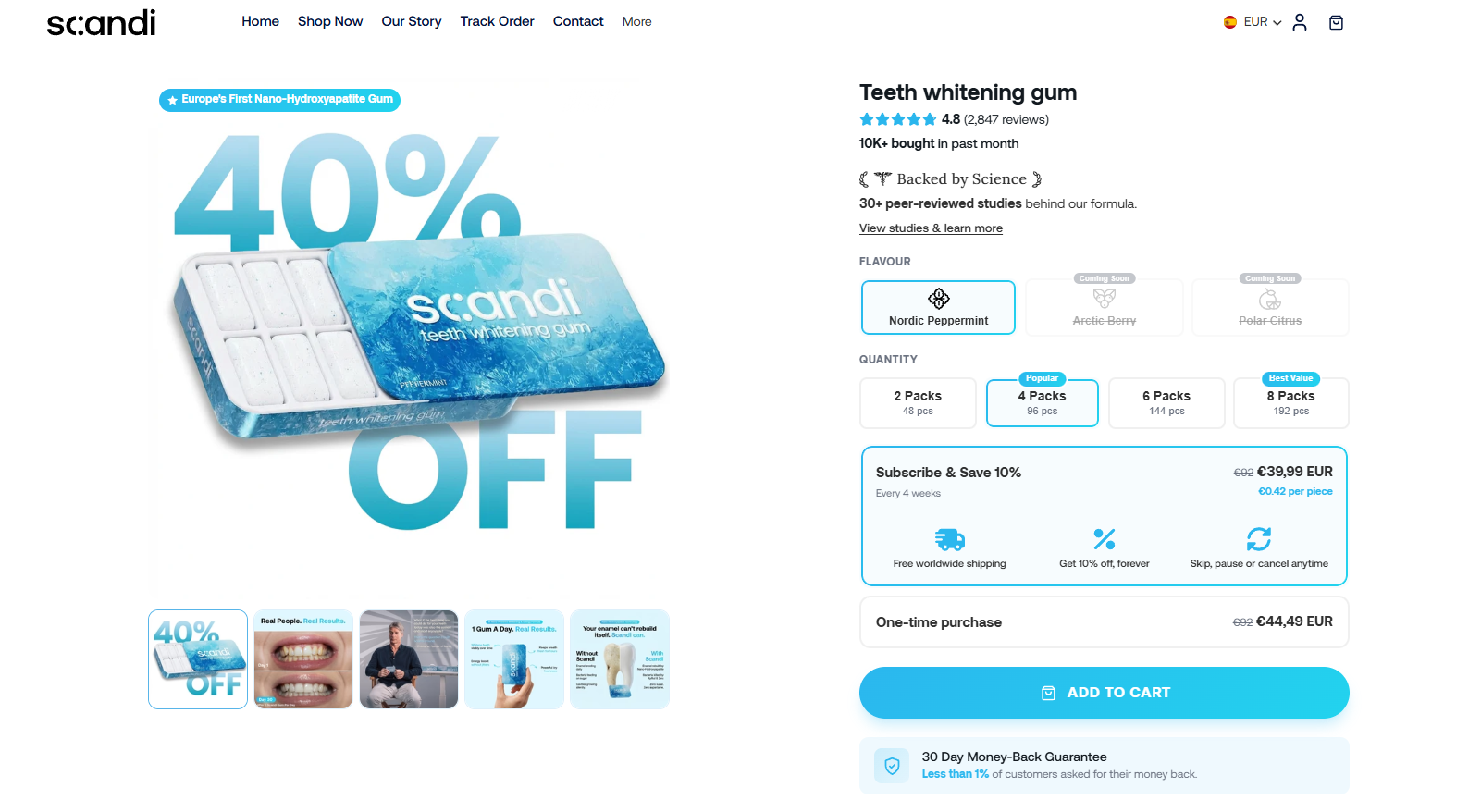
ScandiGum is designed to support exactly that kind of proactive approach. By stimulating salivary flow and delivering mineralizing agents directly through the buccal mucosa, it helps shift your oral environment toward active repair rather than passive decay. It’s a science-based tool that fits into the daily habits this guide recommends. Explore ScandiGum dental products and find more oral health tips to keep your smile strong and your dental bills predictable.
Frequently asked questions
What’s the cheapest way to get dental care if you don’t have insurance?
Dental schools and clinics offer supervised care at 40 to 70% below private practice rates, making them the most cost-effective option for uninsured adults who need quality treatment.
How can I lower my dental bills without sacrificing oral health?
Consistent preventive habits, including daily brushing, flossing, a low-sugar diet, and biannual cleanings, are the most reliable way to reduce future treatment costs without compromising your oral health.
Is dental insurance really worth it?
Dental insurance works best for people with predictable annual treatment needs. For low utilizers, premiums may exceed benefits, making cash payment combined with a discount plan the more economical choice.
What are FSAs and HSAs and how do they lower my dental expenses?
FSAs and HSAs allow you to pay for qualified dental expenses with pre-tax dollars, which effectively reduces your out-of-pocket cost by 15 to 30% or more depending on your tax bracket.
How can I avoid overpaying for dental treatments?
Request a written itemized estimate before any procedure, get a second opinion for anything over $500, and compare fees across at least three providers in your area before committing.