

TL;DR:
- Hydroxyapatite is the primary mineral building your enamel, making it essential for dental health.
- Nano-hydroxyapatite actively repairs enamel microcracks and reduces sensitivity through remineralization.
- Using hydroxyapatite-based products frequently supports early decay reversal and strengthens teeth safely.
Fluoride gets all the credit, but the mineral that actually builds your teeth is hydroxyapatite. Your enamel is 95-97% hydroxyapatite by composition, making it the literal raw material of your smile. Most oral care products treat symptoms. The smarter move is to work with the mineral your body already uses to construct enamel from scratch. This guide breaks down the science of hydroxyapatite, how nano-sized particles actively repair damage at the microscopic level, and how innovative delivery systems like functional chewing gum are changing what a daily oral care routine can actually do for your long-term dental health.
Table of Contents
- Understanding hydroxyapatite: The foundation of your teeth
- How hydroxyapatite repairs and protects teeth
- Benefits, limitations, and expert recommendations
- How to use hydroxyapatite products for optimal oral health
- Why hydroxyapatite is a game changer for modern oral care
- Take the next step: Try innovative hydroxyapatite oral care
- Frequently asked questions
Key Takeaways
| Point | Details |
|---|---|
| Natural enamel builder | Hydroxyapatite is the primary mineral in tooth enamel, essential for strong and healthy teeth. |
| Clinical proof of repair | Nano-hydroxyapatite repairs early enamel damage and rivals fluoride’s effectiveness in remineralization. |
| Best for early damage | Hydroxyapatite works best for early enamel lesions and sensitivity, not for deep cavities. |
| Practical daily use | Chewing gum or toothpaste with 10-15% nano-hydroxyapatite supports daily enamel defense. |
Understanding hydroxyapatite: The foundation of your teeth
Hydroxyapatite (HA) is a naturally occurring calcium phosphate mineral with the chemical formula Ca10(PO4)6(OH)2. That formula is not just chemistry trivia. It tells you exactly what your teeth are made of: calcium, phosphate, and hydroxyl groups, packed into a crystalline lattice that gives enamel its extraordinary hardness. Nothing synthetic comes close to replicating it as precisely as HA itself.
Your teeth are made of two primary hard tissues: enamel and dentin. Hydroxyapatite composes 95-97% of enamel and around 70% of dentin, the slightly softer layer beneath the enamel surface. Together, these tissues form the toughest biological structures in your body. The difference between them matters: enamel has no living cells to self-repair after it is lost, which is why remineralization from external sources is so critical.
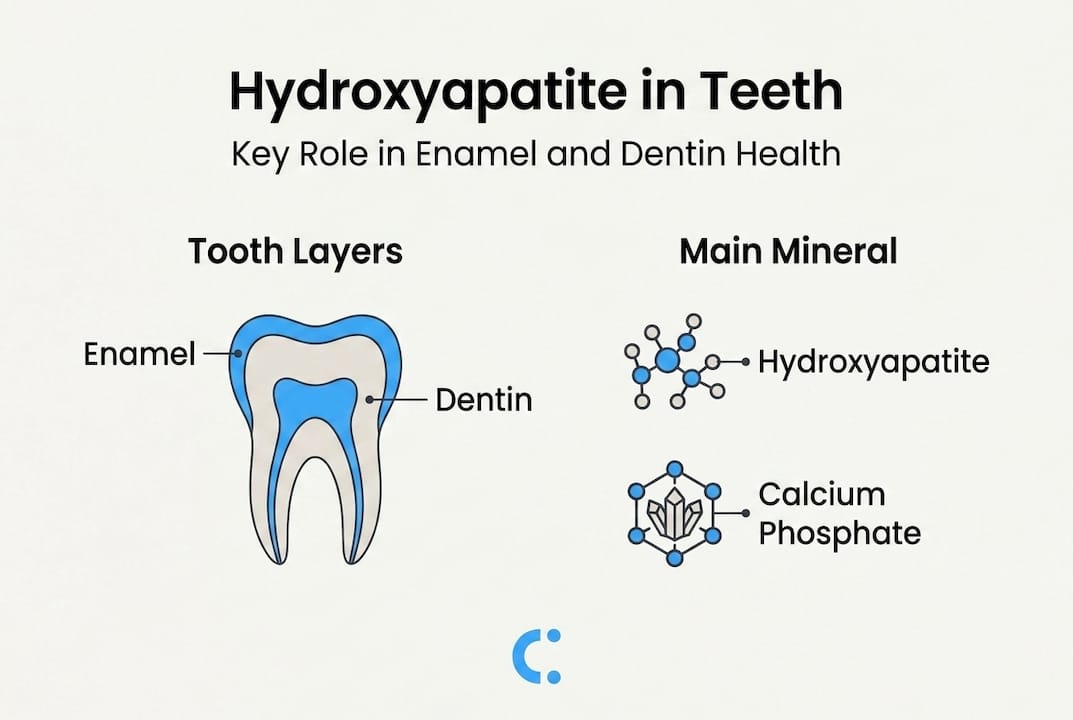
| Tissue | Hydroxyapatite content | Hardness |
|---|---|---|
| Enamel | 95-97% | Highest in the body |
| Dentin | ~70% | Moderate |
| Bone | ~60-70% | Variable |
A common misconception is that fluoride is the only mineral worth caring about for dental health. Fluoride works by converting hydroxyapatite into fluorapatite, which is slightly more acid-resistant. That is useful, but it is a modification of HA, not a replacement for it. Rebuilding lost enamel requires the mineral that enamel is actually made of.
“Remineralization is not about adding a foreign compound to your enamel. It is about restoring the mineral that was always supposed to be there in the first place.”
This is why interest in minerals in oral care has grown so sharply among clinicians and consumers alike. When your oral environment becomes acidic, the hydroxyapatite lattice dissolves, releasing calcium and phosphate ions into saliva. Remineralization reverses this by redepositing those ions back into the enamel surface. HA-based products accelerate and support that process more directly than fluoride alone.
Now that you know hydroxyapatite underpins your teeth, let’s see how it works at the microscopic level.
How hydroxyapatite repairs and protects teeth
Understanding its structural value, let’s move into how hydroxyapatite actively works to reverse and shield against damage.
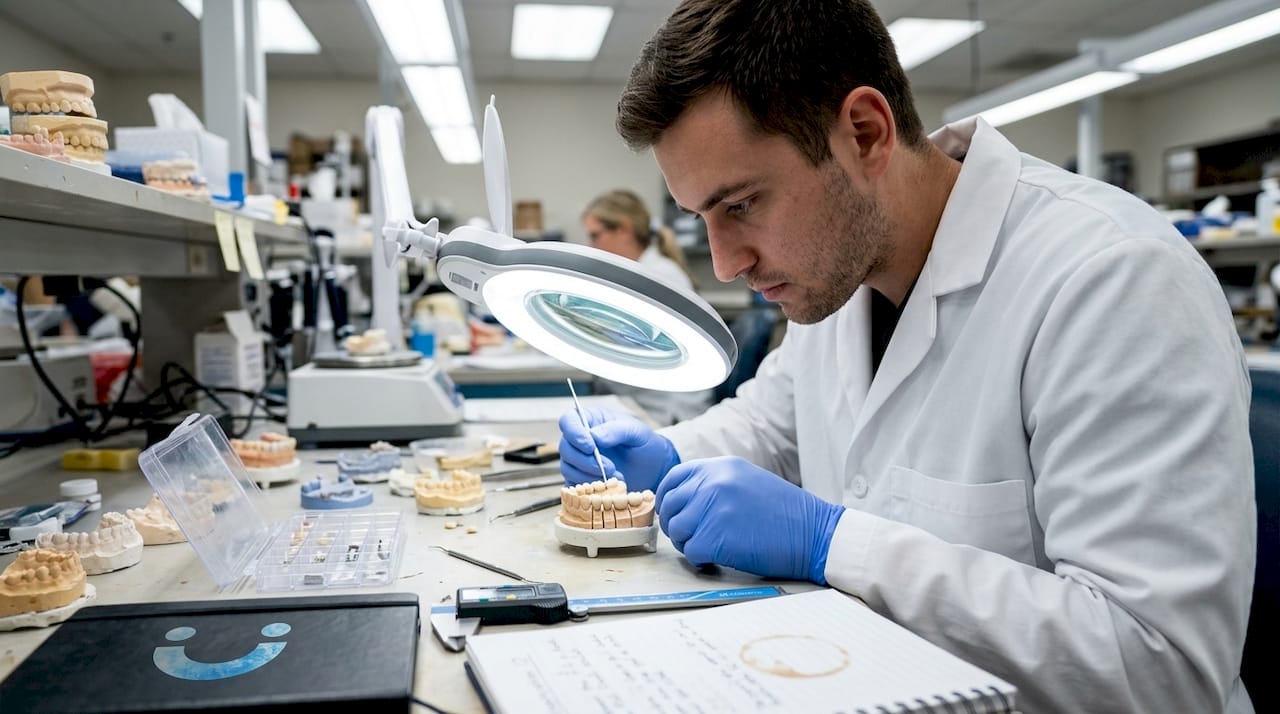
Nano-hydroxyapatite (nHA) is the engineered form that makes modern remineralization products so effective. The “nano” refers to particle size, typically 20 to 80 nanometers in diameter. At that scale, the particles are small enough to physically enter enamel microcracks and deposit directly onto the crystal surface, mimicking the size and shape of the enamel’s natural mineral crystals. Nano-hydroxyapatite mimics natural crystals and deposits calcium and phosphate ions directly where remineralization needs to happen.
Here is how the remineralization process actually works:
- Acid challenge: Dietary acids or bacterial metabolites lower oral pH below 5.5, triggering mineral loss from enamel.
- nHA contact: Nano-hydroxyapatite particles in saliva or the product matrix bind to the demineralized enamel surface.
- Ion release: nHA releases calcium and phosphate ions locally, raising the concentration at the enamel surface.
- Crystal growth: Those ions integrate into existing enamel crystals, filling in pits, microcracks, and surface roughness.
- Surface sealing: A remineralized layer forms, reducing porosity and buffering against the next acid attack.
Pro Tip: Chewing a functional gum after meals is one of the most efficient ways to deliver nHA to your teeth while also stimulating saliva flow, which naturally buffers acid and supports mineral redeposition.
Clinical studies show comparable remineralization to fluoride, with nHA being safe in toothpaste formulations up to 29.5% concentration. It also outperforms fluoride in specific areas: tooth sensitivity reduction and managing molar incisor hypomineralization (MIH), a condition where enamel forms improperly and is unusually vulnerable to decay.
| Outcome | Nano-hydroxyapatite | Fluoride |
|---|---|---|
| Early caries remineralization | Comparable | Comparable |
| Sensitivity reduction | Strong evidence | Moderate |
| MIH management | Effective | Limited |
| Safety for children | High | Use-limited |
| Biomimetic mechanism | Yes | No |
For gum chemistry and oral health, this means functional chewing gum containing nHA is not just freshening your breath. It is actively participating in the chemistry of your enamel every time you chew.
Benefits, limitations, and expert recommendations
Knowing both how hydroxyapatite functions and its clinical data, let’s scrutinize its real-world benefits, caveats, and expert tips.
The case for nHA in daily oral care is strong, but honest. Here is what the evidence actually supports:
Core benefits:
- Remineralization of early enamel lesions: nHA fills in surface damage before it progresses to a cavity.
- Reduced tooth sensitivity: By occluding (blocking) exposed dentinal tubules, nHA dampens the nerve response to hot, cold, and sweet stimuli.
- Safe for all ages: Unlike fluoride, which carries ingestion risks in children, nHA is non-toxic and biomimetic, meaning the body processes it as it would natural mineral.
- MIH and post-orthodontic use: nHA is effective in non-cavitated lesions and MIH, making it a strong option before and after orthodontic treatment when enamel is especially vulnerable.
- Acid-buffering environment: When combined with saliva stimulation, nHA supports a neutral oral pH, reducing the window of demineralization after meals.
Limitations to know:
- nHA works best on early-stage enamel damage. It cannot reverse cavities that have already broken through the enamel surface.
- For advanced caries, professional intervention is still required. nHA is a preventive and early-repair tool, not a replacement for dental treatment.
- Particle shape matters: rod-shaped nHA particles, which match natural enamel crystals, are preferred over needle-shaped particles, which may cause irritation in some formulations.
Pro Tip: If you are monitoring enamel recovery, microhardness testing is the most reliable way to track remineralization progress over time. Ask your dentist about surface microhardness if you are using nHA products consistently.
Statistic to know: Research confirms nHA is effective for mineral-based oral care in non-cavitated lesions, but researchers note that long-term randomized controlled trials for functional gum formats are still needed to fully quantify cumulative benefits.
The science points in a clear direction. Used consistently and early, nHA offers meaningful, safe protection for adult enamel that fluoride alone does not fully provide.
How to use hydroxyapatite products for optimal oral health
Let’s bring the science into your daily routine with easy, research-backed steps you can implement for stronger, healthier teeth.
Not all hydroxyapatite products are created equal. The concentration, particle size, and supporting ingredients all determine how well a product actually performs.
How to identify a quality nHA product:
- Look for 10-15% nHA concentration in functional gum or higher concentrations (up to 29.5%) in toothpaste.
- Confirm rod-shaped particles in the 20-80nm range, often listed as “nano-hydroxyapatite” on the label.
- Check for supporting ingredients: xylitol neutralizes bacteria, and arginine supports pH balance. Best results come from 10-15% nHA combined with xylitol and arginine for optimal pH regulation in gum-based formats.
- Avoid products with high sugar content, which would directly counteract the remineralization benefit.
Application tips for functional gum:
- Chew after meals, especially after acidic foods or coffee, when enamel is most vulnerable.
- Chew for at least 15 to 20 minutes to maximize saliva stimulation and ingredient release.
- Use consistently once or twice per day as part of a broader oral hygiene routine.
- Do not eat or drink for 30 minutes after chewing to allow minerals to integrate into the enamel surface.
- Track your sensitivity levels over 4 to 8 weeks. Most users notice measurable improvement in that window.
Integrate with your existing routine:
- Brush with a fluoride or nHA toothpaste twice daily.
- Floss before brushing to remove plaque that blocks mineral contact.
- Use nHA gum as a targeted post-meal intervention for using minerals to strengthen enamel between brushing sessions.
- Stay hydrated. Saliva is the transport system for mineral ions, and a dry mouth significantly reduces remineralization capacity.
Consistency is the key variable here. nHA is not a one-time treatment. It works through repeated mineral deposition over days and weeks, gradually rebuilding enamel resilience from the surface inward.
Why hydroxyapatite is a game changer for modern oral care
The mainstream dental conversation has been dominated by fluoride for over 70 years. That is not wrong, but it is incomplete. Fluoride modifies enamel. Hydroxyapatite restores it, using the same mineral your body built your teeth with in the first place. That distinction is not marketing language. It is biology.
What strikes us most about our experience with remineralization is how undervalued mineral content is in everyday oral care conversations. Most people focus on removing things: plaque, bacteria, stain. Fewer people focus on adding back what acidic diets and time take away. In a world where coffee, kombucha, and processed food are daily staples, your enamel is under constant low-grade acid pressure. Prevention through passive mineral replenishment is not a luxury. It is a rational response to modern dietary reality.
Functional delivery formats like chewing gum are not a gimmick. They leverage the mouth’s own vascularity and saliva chemistry to work with your biology, not around it. That is the direction oral care is heading, and hydroxyapatite is the mineral at the center of that shift.
Take the next step: Try innovative hydroxyapatite oral care
The science is clear: hydroxyapatite is the native mineral of your enamel, and nano-sized delivery gets it exactly where your teeth need it most. Adding it to your routine does not require a major overhaul.
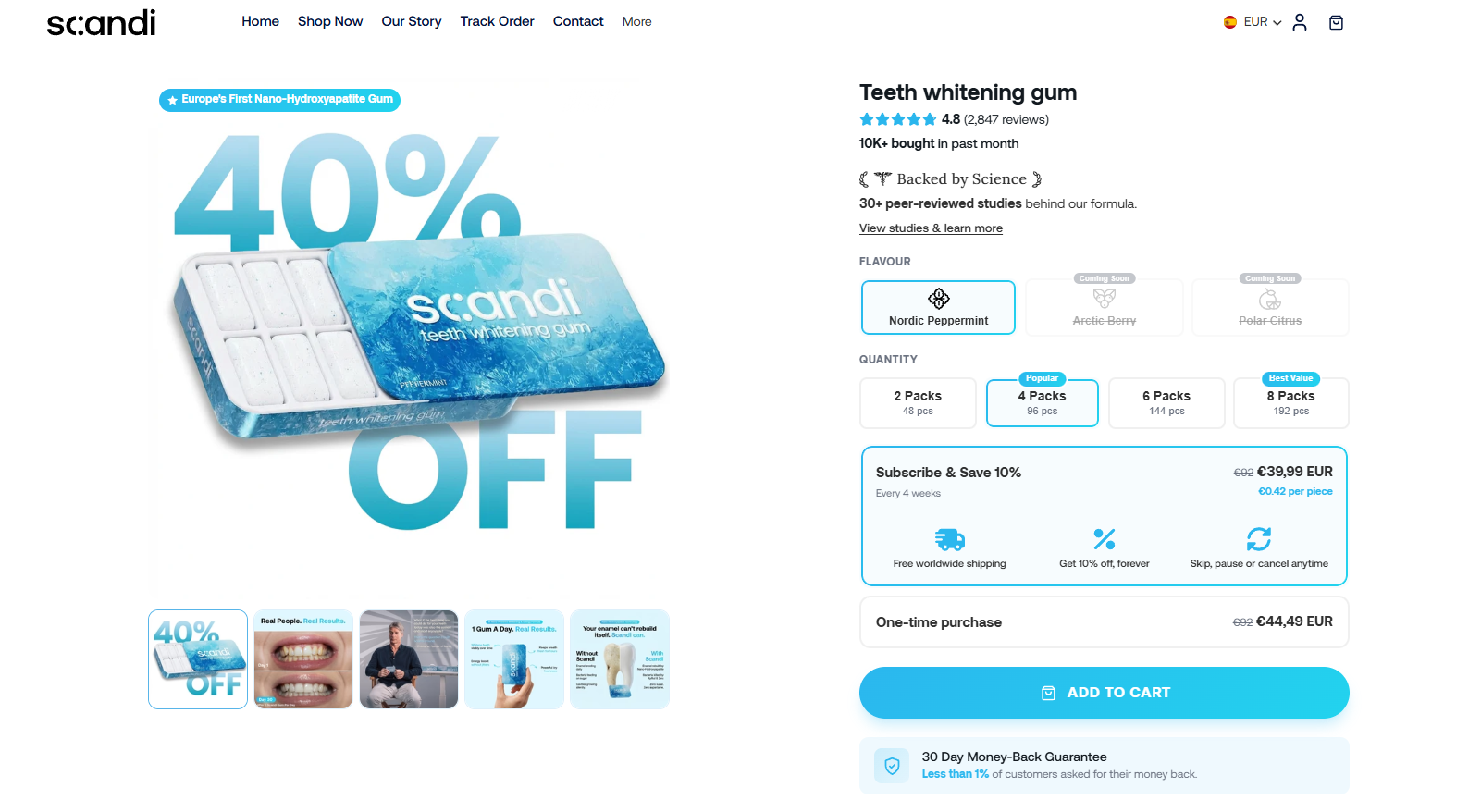
Scandigum’s functional chewing gum is designed specifically around this biology, combining nHA with saliva-stimulating chew mechanics and pH-supporting ingredients like xylitol. It is a practical, evidence-aligned way to support remineralization between brushing sessions. Explore functional gum with hydroxyapatite and see how one small habit can shift your oral environment from reactive to proactive. For a deeper look at the mineral science behind the formula, learn more about mineral oral care and how each ingredient earns its place.
Frequently asked questions
Is hydroxyapatite safe for daily use in oral care?
Yes, nHA is safe up to 29.5% in toothpaste and functional gum formulations, with no toxicity concerns for adults or children when used as directed.
How does hydroxyapatite compare to fluoride for remineralizing teeth?
nHA is comparable to fluoride in remineralizing early caries, and it offers additional benefits in sensitivity reduction and MIH management that fluoride does not match.
What types of dental issues does hydroxyapatite help with most?
nHA is most effective for early enamel lesions, minor sensitivity, molar incisor hypomineralization, and post-orthodontic enamel protection, rather than advanced tooth decay.
Can I use hydroxyapatite products if I have sensitive teeth?
Absolutely. Hydroxyapatite works by physically occluding exposed tubules in dentin, which is one of the primary drivers of sensitivity, and clinical evidence confirms nHA reduces hypersensitivity with regular use.