

Most people think chewing gum is just a quick breath freshener or a casual habit. The truth is far more interesting. Dental chemistry in chewing gums promotes gum health through saliva stimulation, pH neutralization, and delivery of remineralizing agents like nano-hydroxyapatite, calcium glycerophosphate, L-arginine, and xylitol. These compounds don’t just mask problems. They actively work at the molecular level to protect and strengthen your gums and teeth. This article breaks down how specific chemical components enhance oral health beyond basic hygiene, giving you the knowledge to choose gums that actually deliver measurable benefits.
Table of Contents
- Key takeaways
- How dental chemistry in gum promotes gum health and enamel remineralization
- Comparing key dental chemistry agents in gums: nHA, CPP-ACP, xylitol, and polymers
- Advanced dental chemistry solutions for gum disease and special cases
- Practical tips for using dental chemistry gums to maximize oral health benefits
- Explore scientifically formulated dental gums for healthier smiles
- Frequently asked questions
Key Takeaways
| Point | Details |
|---|---|
| Saliva driven protection | Chewing gum increases saliva flow significantly, helping neutralize acids and supply minerals that support enamel repair. |
| nHA enamel integration | Nano-hydroxyapatite particles integrate with the enamel lattice to strengthen teeth rather than simply coating surfaces. |
| Xylitol cavity defense | Xylitol starves cavity-causing bacteria like Streptococcus mutans, reducing acid production and shifting the mouth toward healthier bacteria. |
| Arginine pH buffering | L-arginine raises biofilm pH by releasing ammonia, creating a protective buffer around teeth and especially near the gumline. |
| Post meal timing | For best results, chew dental chemistry gums for 15 to 20 minutes after meals when acid production peaks. |
How dental chemistry in gum promotes gum health and enamel remineralization
Building from the key takeaways, this section details how specific compounds in gum chemically work to protect and strengthen your gums and enamel.
Chewing gum increases saliva flow by 10 times compared to resting state. This matters because saliva is your mouth’s natural defense system. When pH drops below 5.5, tooth enamel begins to demineralize, leaching calcium and phosphate ions. The surge of saliva during chewing raises oral pH back above this critical threshold, creating an environment where enamel can actually repair itself rather than break down.
Saliva delivers the raw materials for this repair. It carries calcium and phosphate ions that redeposit into weakened enamel structures. Think of it as biological scaffolding that rebuilds microscopic defects before they become visible cavities. This process happens continuously in your mouth, but chewing accelerates it dramatically.
Nano-hydroxyapatite (nHA) particles take this further. These microscopic crystals mimic the exact mineral structure of natural tooth enamel. When you chew gum containing nHA, the particles integrate directly with enamel defects, filling in weak spots at the molecular level. It’s not a coating or temporary fix. The nHA becomes part of your enamel structure.
Xylitol works through a different mechanism. This sugar alcohol starves the bacteria that cause cavities. Streptococcus mutans, the primary culprit behind tooth decay, cannot metabolize xylitol. When these bacteria try to feed on xylitol, they waste energy without producing the acids that damage enamel. Over time, xylitol reduces plaque acidity and shifts the bacterial balance in your mouth toward beneficial species.
L-arginine adds another layer of protection. This amino acid raises biofilm pH through ammonia production. When oral bacteria metabolize L-arginine, they release ammonia, which neutralizes acids on contact. This creates a protective buffer zone around your teeth, especially at the gumline where decay often starts.
These mechanisms work together. Saliva flow, mineral delivery, bacterial inhibition, and pH buffering create a comprehensive defense system. For dentistry tips for gum enthusiasts, understanding these interactions helps you make informed choices about which gums actually deliver results.
Pro Tip: Chew dental chemistry gums for 15 to 20 minutes after meals when acid production peaks. This timing maximizes saliva flow and mineral delivery exactly when your teeth need protection most.
Comparing key dental chemistry agents in gums: nHA, CPP-ACP, xylitol, and polymers
After understanding general dental chemistry roles, this section clarifies differences and advantages among popular gum ingredients with scientific backing.
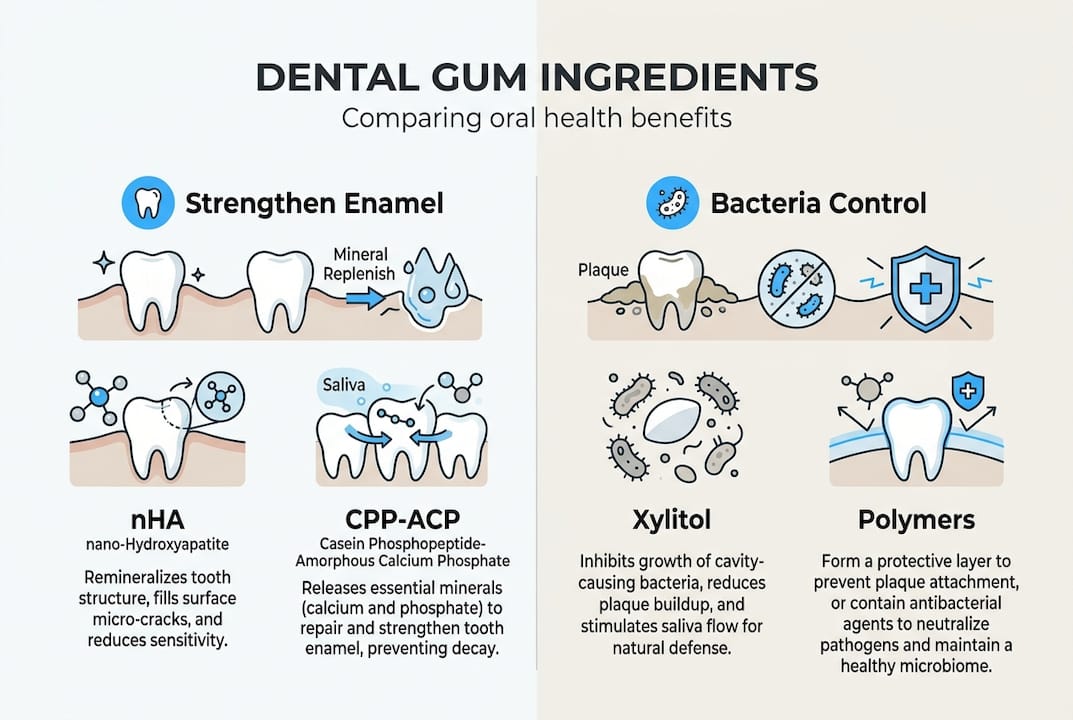
Nano-hydroxyapatite (nHA) biomimetically repairs enamel by supplying calcium and phosphate ions in the exact ratio your teeth use. The nano-scale particles (20 to 80 nanometers) are small enough to penetrate enamel micropores and bond with the existing mineral structure. This isn’t surface protection. The nHA integrates into the enamel lattice, strengthening it from within. Studies show nHA performs comparably to fluoride in remineralizing early lesions, making it a compelling option for people seeking fluoride alternatives.
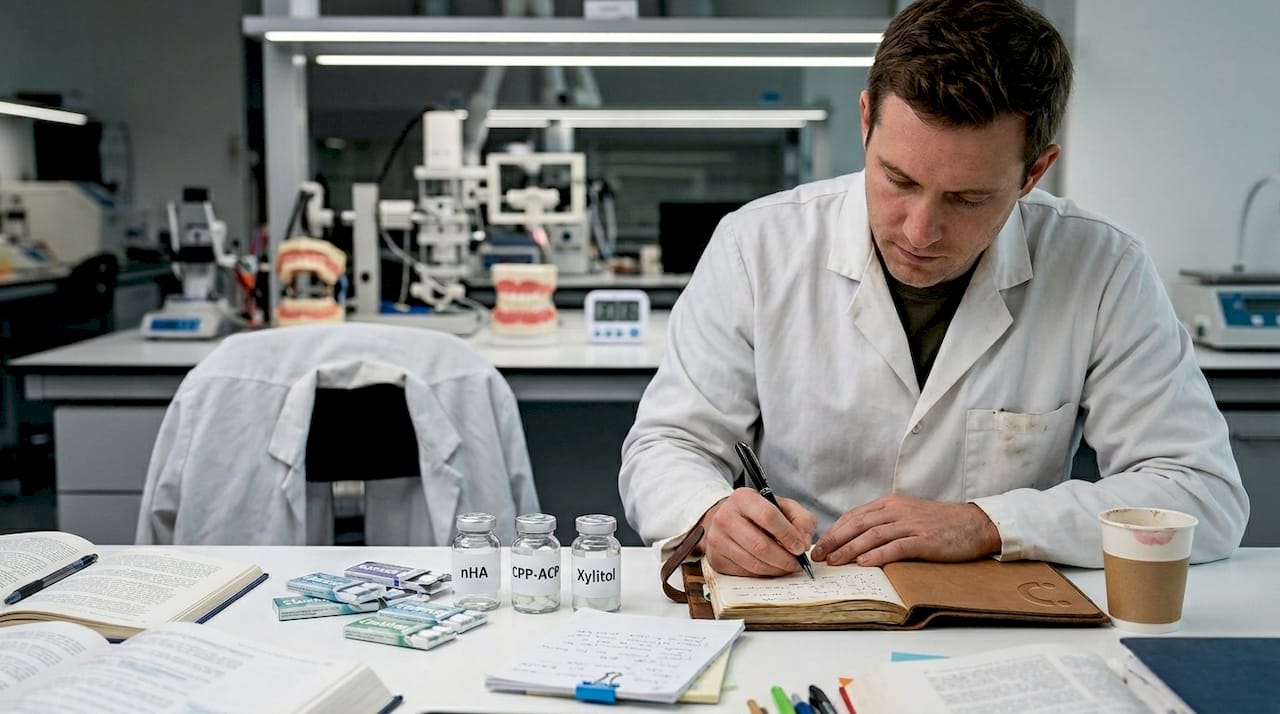
CPP-ACP (casein phosphopeptide-amorphous calcium phosphate) takes a different approach. CPP-ACP stabilizes amorphous calcium phosphate in plaque fluid, increasing mineral availability at tooth surfaces. The casein phosphopeptides act as molecular carriers, holding calcium and phosphate ions in solution and delivering them directly to enamel subsurface lesions. This technology shines in repairing white spot lesions and early decay that hasn’t yet formed a cavity.
Xylitol operates on the bacterial front. As a non-fermentable sugar alcohol, it inhibits acidogenic bacteria without feeding them. The beauty of xylitol lies in its selectivity. It specifically targets Streptococcus mutans, the bacteria most responsible for caries formation. Regular xylitol exposure (5 to 6 grams daily) can reduce cavity risk by up to 30% over time. It doesn’t repair existing damage, but it prevents new damage from forming.
Polymers and metal-organic frameworks (MOFs) represent the cutting edge. These advanced delivery systems encapsulate antimicrobial agents and release them slowly over time. Chitosan, a natural polymer derived from shellfish, disrupts bacterial cell membranes on contact. MOFs can carry multiple active ingredients and release them in response to specific pH triggers, targeting harmful bacteria while sparing beneficial ones.
| Ingredient | Primary mechanism | Best for | Limitations |
|---|---|---|---|
| Nano-hydroxyapatite | Direct enamel integration and mineral supply | Remineralization, fluoride alternatives | Requires consistent use for measurable results |
| CPP-ACP | Stabilizes calcium phosphate in plaque | Early lesion repair, white spots | Less effective on advanced decay |
| Xylitol | Bacterial inhibition and acid reduction | Caries prevention, pH balance | No direct remineralization effect |
| Polymers/MOFs | Targeted antimicrobial delivery | Advanced gum disease, high-risk patients | Limited availability in consumer products |
Choose formulations based on your specific needs. If you’re focused on strengthening enamel and filling microscopic defects, prioritize nHA and CPP-ACP. For preventing new cavities and managing bacterial load, xylitol is your best bet. People dealing with gum disease may benefit from specialized polymers, though these typically require professional guidance.
Pro Tip: Look for gums that combine multiple active ingredients. A formula with both xylitol and nHA gives you bacterial control plus mineral repair, covering both prevention and restoration in one product.
For more on selecting the right formulations, check out these enhance oral health dentistry tips that break down ingredient labels.
Advanced dental chemistry solutions for gum disease and special cases
Now that we’ve covered basic gum chemistries, let’s explore specialized dental chemistry innovations addressing serious gum disease and special patient needs.
Basic dental chemistry in gums mainly supports preventive care, not advanced gum disease. The remineralizing agents and pH buffers we’ve discussed work beautifully for healthy mouths or early-stage problems. Periodontitis is a different beast. This inflammatory condition destroys the soft tissue and bone supporting your teeth. It requires targeted antimicrobials delivered directly to infected periodontal pockets.
Periodontitis often requires targeted antimicrobials delivered via specialized polymers or hydrogels. These delivery systems place high concentrations of antibacterial agents exactly where infection lives, below the gumline. Traditional gum ingredients can’t reach these depths. Advanced formulations use biodegradable polymers that dissolve slowly, maintaining therapeutic drug levels for days or weeks after a single application.
Chitosan disrupts bacterial membranes through electrostatic interaction. This positively charged polymer binds to negatively charged bacterial cell walls, causing them to rupture and die. Chitosan also has hemostatic properties, helping control bleeding in inflamed gum tissue. Some advanced gum formulations incorporate chitosan nanoparticles for enhanced antimicrobial action, though these are more common in clinical settings than consumer products.
Boric acid has anti-inflammatory effects beneficial as adjunct therapy in periodontal treatment. It modulates the immune response, reducing the excessive inflammation that damages gum tissue in periodontitis. While not a standalone treatment, boric acid enhances the effectiveness of other antimicrobials and helps tissue heal faster after deep cleaning procedures.
People with diabetes or high-risk conditions benefit from enhanced delivery systems in gum care. Diabetes impairs wound healing and increases susceptibility to periodontal disease. The same mechanisms that make advanced delivery systems effective for periodontitis also help diabetic patients maintain gum health. Controlled-release antimicrobials compensate for compromised immune response, giving these patients a fighting chance against aggressive bacterial colonization.
“Advanced dental chemistry uses polymers, MOFs, and hydrogels for targeted antimicrobial delivery to manage periodontitis, with agents like chitosan and boric acid improving clinical outcomes when combined with professional care.”
The key distinction is this: consumer dental gums excel at prevention and maintenance. Professional delivery systems handle active disease. If you have bleeding gums, persistent bad breath, or loose teeth, don’t rely on gum alone. These symptoms signal the need for professional intervention. Dental chemistry gums can support your treatment plan, but they can’t replace it.
For understanding how these advanced chemistries fit into your overall oral health strategy, explore this mouth chemistry science guide that connects basic principles to clinical applications.
Practical tips for using dental chemistry gums to maximize oral health benefits
Having explored scientific advances, now let’s ground this knowledge with practical steps to get the best results from dental chemistry gums.
Choose gums with clinically backed ingredients like nHA, CPP-ACP, and xylitol for daily enamel support. Read labels carefully. Marketing claims are easy to make, but specific ingredient lists tell the real story. Look for products that list active ingredients with actual concentrations. A gum claiming “remineralizing benefits” without specifying nHA content or xylitol percentage is probably relying more on hope than chemistry.
Chew sugar-free dental chemistry gum for 20 minutes after meals to stimulate saliva and raise pH. This timing is strategic. Acid production peaks 20 to 30 minutes after eating as bacteria metabolize food particles. Chewing during this window floods your mouth with neutralizing saliva exactly when acid attack is strongest. The 20-minute duration ensures sustained saliva flow and gives active ingredients time to work.
Avoid gums with added sugars to prevent feeding harmful bacteria. This seems obvious, but some products marketed as “dental health” gums still contain fermentable sugars. These sugars undermine the benefits of any active ingredients by providing fuel for the same bacteria you’re trying to control. Sugar-free doesn’t automatically mean beneficial, but sugar-containing gums are actively counterproductive.
Combine gum use with regular brushing and flossing for comprehensive oral care. The primary role of gums containing nHA, CPP-ACP, and xylitol is preventive, enhancing enamel remineralization and pH balance ideal between brushings. They’re a supplement to mechanical cleaning, not a replacement. Brushing removes plaque biofilm physically. Flossing cleans interdental spaces gum can’t reach. Dental chemistry gums fill the gaps between these mechanical interventions.
Consult a dentist if you have advanced gum disease as gums alone aren’t sufficient. Persistent inflammation, bleeding, or recession requires professional assessment. These symptoms indicate active tissue destruction that demands intervention beyond consumer products. Your dentist can determine whether you need scaling, root planing, or other treatments, and can recommend how dental chemistry gums fit into your personalized care plan.
Pro Tip: Keep dental chemistry gum in your car, purse, or desk drawer for situations where brushing isn’t possible. Post-lunch meetings, long commutes, and travel all present opportunities to protect your teeth when a toothbrush isn’t available. Consistent use adds up to significant protection over time.
For more detailed guidance on integrating these practices into your daily routine, check out these gum enthusiasts dentistry tips with specific product recommendations and timing strategies.
Explore scientifically formulated dental gums for healthier smiles
With knowledge and tips in hand, discover trusted dental chemistry gum options that integrate science into your oral care routine.
Scandi Gum offers gums with nano-hydroxyapatite and xylitol for effective enamel remineralization and pH balance. Their formulations combine the mineral repair benefits of nHA with the bacterial control of xylitol, giving you comprehensive protection in a single product. Each piece delivers measured doses of active ingredients designed to work during the optimal 15 to 20 minute chew window.
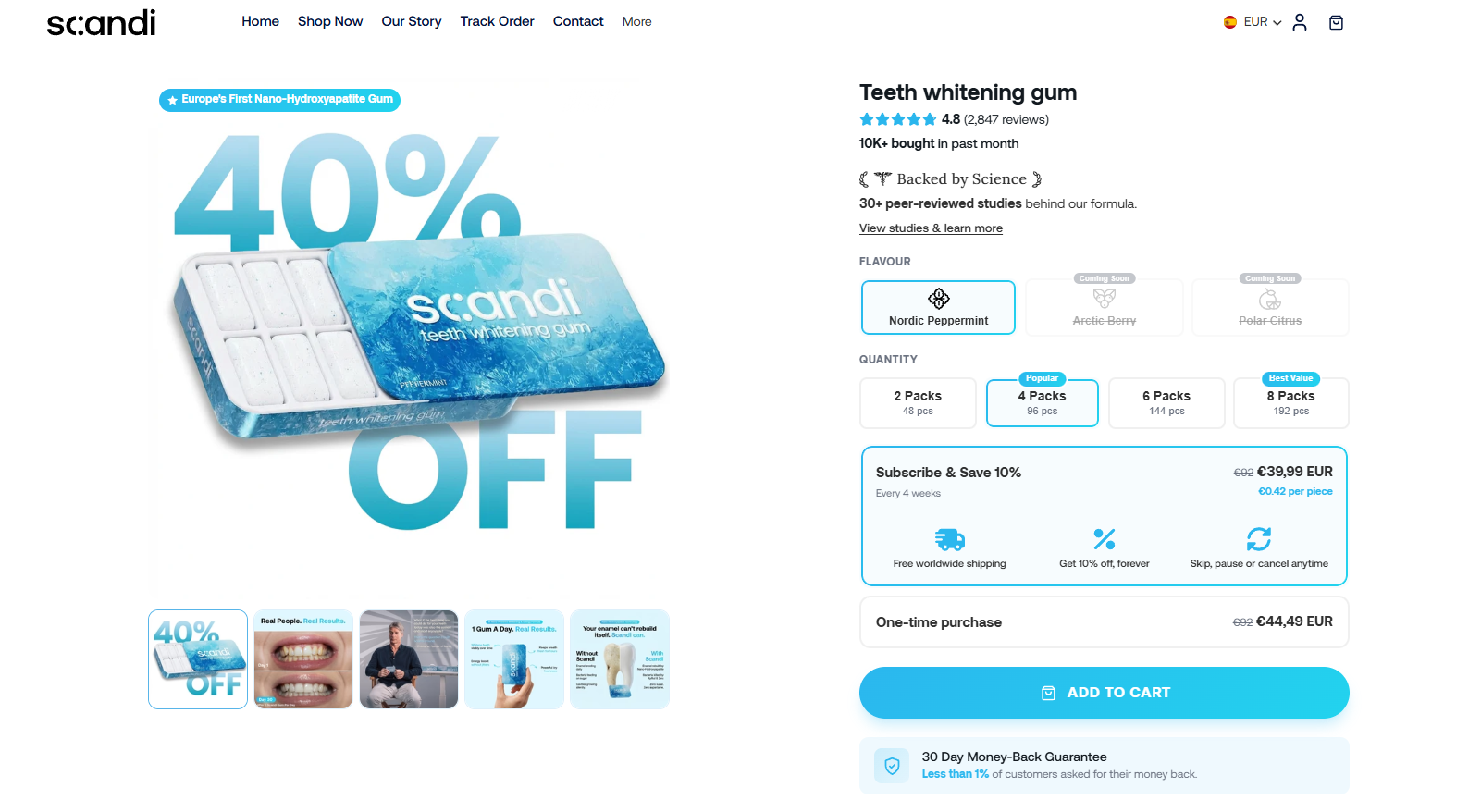
Their products fit daily oral care routines for health-conscious users seeking preventive benefits. Whether you’re between brushings, finishing a meal, or managing dry mouth, Scandi Gum’s scientifically backed formulations turn routine chewing into active oral health support. The clean ingredient lists focus on functional compounds rather than artificial flavors or unnecessary additives.
Find expert tips and product info on Scandi Gum’s blog to deepen your gum health knowledge. Their dentistry tips for gum enthusiasts break down the science behind each ingredient and offer practical guidance for maximizing benefits. You’ll also find detailed information about their product range to help you choose the right formulation for your specific needs.
Frequently asked questions
What is the role of nano-hydroxyapatite in dental gums?
Nano-hydroxyapatite mimics natural enamel by supplying calcium and phosphate ions to repair early enamel defects and strengthen teeth. It integrates with enamel surfaces at the molecular level, filling microscopic pores and weak spots. This biomimetic approach makes nHA particularly effective for remineralization at the gumline where decay often begins.
Can chewing gum replace brushing and flossing for gum health?
Dental chemistry gums complement but do not replace brushing and flossing. They work best as an adjunct to stimulate saliva and provide remineralizing agents between brushings. Mechanical plaque removal through brushing and interdental cleaning through flossing remain essential for comprehensive oral hygiene.
Are dental chemistry gums effective for advanced gum disease?
Dental chemistry gums mainly prevent issues and help early enamel repair, but are not sufficient for periodontitis treatment. Advanced gum disease requires targeted antimicrobials and professional dental care including scaling, root planing, and sometimes surgical intervention. Consumer gums can support treatment plans but cannot replace professional care for active disease.
How much xylitol do I need daily for cavity prevention?
Research suggests 5 to 6 grams of xylitol daily provides optimal cavity prevention benefits. This typically translates to 3 to 5 pieces of xylitol gum spread throughout the day. Consistent use matters more than high single doses, as xylitol’s bacterial effects build over time with regular exposure.
Do dental chemistry gums work for people with dry mouth?
Yes, dental chemistry gums are particularly beneficial for dry mouth sufferers. The mechanical act of chewing stimulates saliva production, while active ingredients provide the protective and remineralizing functions that natural saliva would normally deliver. People with chronic dry mouth from medications or medical conditions often see significant oral health improvements from regular use of dental chemistry gums.