

TL;DR:
- Elevated cortisol from chronic stress impairs immune response, increasing risk of gum disease and cavities.
- Managing stress and improving hormonal balance can significantly enhance oral health outcomes.
- Practical habits like consistent sleep, exercise, hydration, and functional chewing support oral-hormonal health.
Elevated salivary cortisol is significantly higher in periodontitis patients than in healthy controls, yet most dental conversations still center on brushing technique and sugar intake. Cortisol, your body’s primary stress hormone, quietly reshapes the chemistry of your mouth every time stress goes unchecked for too long. The gums bleed more. Cavities form faster. And the standard oral hygiene routine, no matter how disciplined, can’t fully compensate when stress hormones are running the show. This article connects the research dots between cortisol and your oral health, and gives you practical steps to address both sides of the equation.
Table of Contents
- Understanding cortisol: The body’s stress messenger
- The science: How cortisol impacts gums and teeth
- Why stress and oral health reinforce each other
- Practical steps to manage cortisol for a healthier mouth
- Our perspective: The overlooked solution in the stress-oral health equation
- Discover a better way to support your oral health
- Frequently asked questions
Key Takeaways
| Point | Details |
|---|---|
| Cortisol harms oral health | Elevated cortisol from stress increases your risk of gum disease and cavities by impairing your mouth’s defenses. |
| Stress and gums are linked | Stress creates a feedback loop where poor dental health can further raise stress and hormone levels. |
| Holistic care is best | Managing both stress and oral hygiene together leads to stronger, longer-lasting results for your dental health. |
| Test and take action | Salivary cortisol can reveal hidden risks—ask your dentist about non-invasive testing for a personalized approach. |
| Functional gum can help | Innovative products like functional chewing gum are convenient tools for supporting oral and mental well-being. |
Understanding cortisol: The body’s stress messenger
Cortisol is produced by the adrenal glands, two small structures that sit on top of your kidneys. When your brain detects a threat, whether real or perceived, it triggers the HPA axis (hypothalamic-pituitary-adrenal axis), a three-part signaling chain that ends with cortisol flooding your bloodstream. Short bursts of cortisol are useful. They sharpen focus, mobilize energy, and help you respond to pressure. The problem starts when the threat never seems to go away.
Chronic stress keeps the HPA axis in a low-grade state of activation. Stress activates the HPA axis, leading to sustained cortisol release that progressively blunts your immune response, including in your mouth. The oral environment is particularly vulnerable because it’s a high-traffic zone: bacteria, food particles, and acids are in constant contact with tissue that depends on a healthy immune response to stay intact.
“Prolonged cortisol elevation suppresses the very immune cells responsible for keeping gum tissue infection-free, creating a biochemical window where periodontal pathogens can colonize unchallenged.” — Research synthesis on stress and dental health
Here’s what elevated cortisol actually does to your body and mouth:
- Suppresses neutrophils and lymphocytes, the immune cells that fight bacterial infections in gum tissue
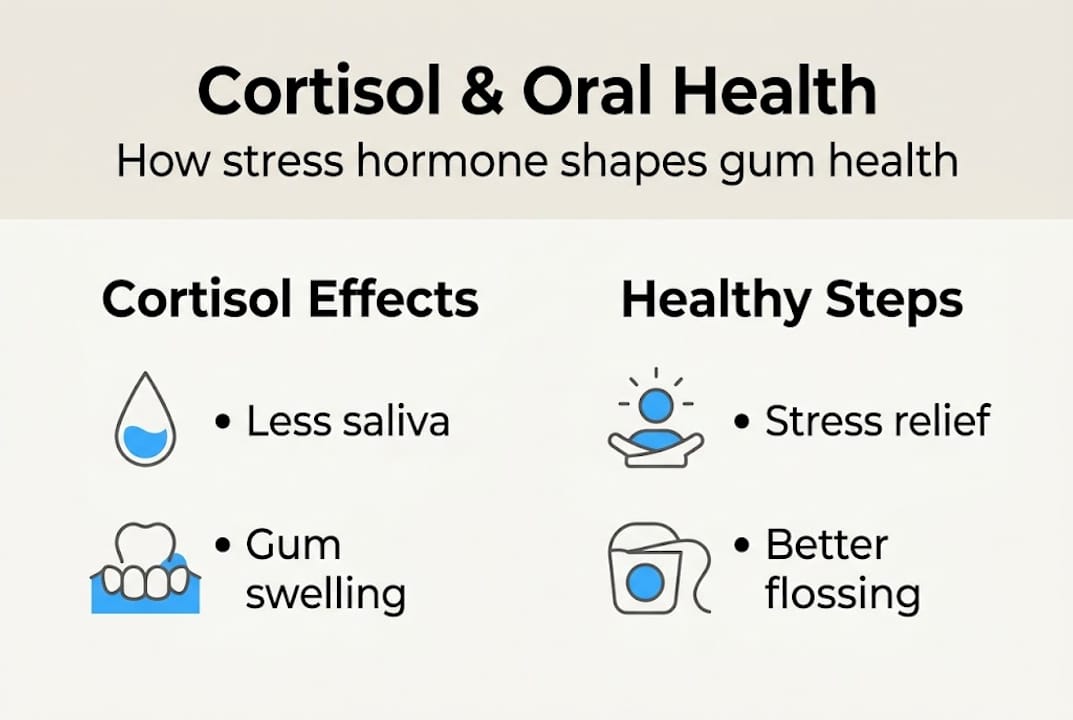
- Reduces saliva production, stripping away your mouth’s natural antibacterial buffer
- Increases inflammatory cytokines, which ironically damage the very tissue they’re meant to protect
- Elevates blood sugar, feeding the bacteria most responsible for decay
- Disrupts sleep, reducing the overnight repair cycle your enamel and gums depend on
- Promotes teeth grinding (bruxism), accelerating mechanical wear on enamel
Every one of these effects compounds over time. A stressful week won’t ruin your teeth. A stressful year, unmanaged, often does.
The science: How cortisol impacts gums and teeth
The evidence connecting cortisol to gum disease is no longer preliminary. Elevated salivary cortisol levels are significantly higher in periodontitis patients, and the association holds even after researchers control for smoking and diet. The biological mechanism is clear: cortisol suppresses the immune response that normally keeps Porphyromonas gingivalis and other periodontal pathogens in check.
| Marker | Healthy individuals | Periodontitis patients |
|---|---|---|
| Salivary cortisol (nmol/L) | 5.2 to 8.1 | 11.4 to 18.7 |
| Gingival inflammation score | Low | Moderate to high |
| Probing depth (mm) | Under 3 | 4 to 7+ |
| Salivary IgA (immune protein) | Normal range | Significantly reduced |
The connection extends beyond adults. Salivary cortisol is associated with early childhood caries, suggesting the cortisol-oral health pathway is active across the entire lifespan. Children in high-stress environments show measurably higher decay rates, even when controlling for diet and brushing habits.
Key finding: Research tracking the stress and periodontitis link found an odds ratio greater than 2.5 for developing moderate-to-severe gum disease in chronically stressed individuals, meaning the risk more than doubles when stress goes unmanaged.
Another striking data point: 75% of studies examining psychological stress and gum health found that stress worsened periodontal outcomes even after professional dental treatment. You can get a cleaning every three months and still lose ground if cortisol stays elevated. That’s not a failure of dental care. It’s a gap in the standard model that ignores the hormonal environment entirely.
Less saliva means less natural buffering against acid. Less buffering means a mouth that spends more time below the critical pH of 5.5, where enamel starts to dissolve. More cortisol, less protection, faster decay. The math is straightforward once you see it.
Why stress and oral health reinforce each other
Here’s where the story gets genuinely frustrating for people already dealing with both. The relationship isn’t one-directional. Chronic stress elevates cortisol, which worsens periodontal disease, and periodontal disease feeds inflammation back into the system, raising cortisol further. It’s a reinforcing loop that neither your dentist nor your therapist can fully address on their own.
| Stress effects on oral health | Poor oral health effects on stress |
|---|---|
| Reduces saliva, weakening acid defense | Dental pain increases cortisol production |
| Suppresses gum immune response | Gum inflammation feeds systemic inflammation |
| Promotes grinding and jaw tension | Tooth loss linked to elevated anxiety levels |
| Increases bacteria-feeding blood sugar | Chronic oral pain disrupts sleep quality |
| Delays wound healing in gum tissue | Dental anxiety raises pre-appointment cortisol |
The early warning signs that this cycle has started are easy to miss individually but significant when they cluster:
- Gums that bleed during brushing more often than usual
- Persistent dry mouth without an obvious cause
- New cavities appearing despite a consistent routine
- Jaw soreness or tension on waking
- Mouth ulcers that return frequently
- Heightened tooth sensitivity without recent dietary changes
Pro Tip: If you notice three or more of these symptoms appearing together during a period of high stress, that’s not coincidence. Mention it to your dentist explicitly. Most dental assessments don’t screen for stress unless prompted, and that context changes the treatment conversation significantly.
Interestingly, the loop can also run in reverse. When stress and periodontitis are treated together rather than separately, patients report lower anxiety scores after successful gum treatment. Resolving chronic oral inflammation appears to reduce one input into the cortisol system, creating a genuine downstream benefit for mental well-being.
Practical steps to manage cortisol for a healthier mouth
Understanding the science matters, but it only becomes useful when it changes what you do on a Tuesday morning. Here’s a practical framework that addresses both the stress side and the oral health side simultaneously.
- Build a consistent sleep schedule. Cortisol follows a circadian rhythm. Irregular sleep disrupts its natural morning peak and evening trough, keeping levels elevated at night when tissue repair is supposed to happen. Seven to nine hours, consistent timing.
- Add resistance training or brisk walking. Exercise is one of the most reliable cortisol regulators. Thirty minutes of moderate activity most days measurably lowers baseline cortisol over weeks.
- Practice structured breathing before high-stress moments. Slow, diaphragmatic breathing activates the vagus nerve, directly countering the HPA axis response. Even five minutes before a stressful meeting makes a measurable difference.
- Hydrate throughout the day. Dehydration reduces saliva flow independent of cortisol. Keeping saliva production high gives your mouth a fighting chance against acid and bacteria.
- Optimize your oral hygiene timing. Brush after breakfast, not immediately after waking, when cortisol naturally peaks and saliva is thinner. Floss at night when tissue repair is most active.
- Consider functional oral aids. Functional oral health strategies like xylitol-containing or adaptogen-enriched chewing gum stimulate saliva flow, buffer oral pH, and can engage the mastication-arousal pathway to reduce salivary cortisol during the chewing session itself.
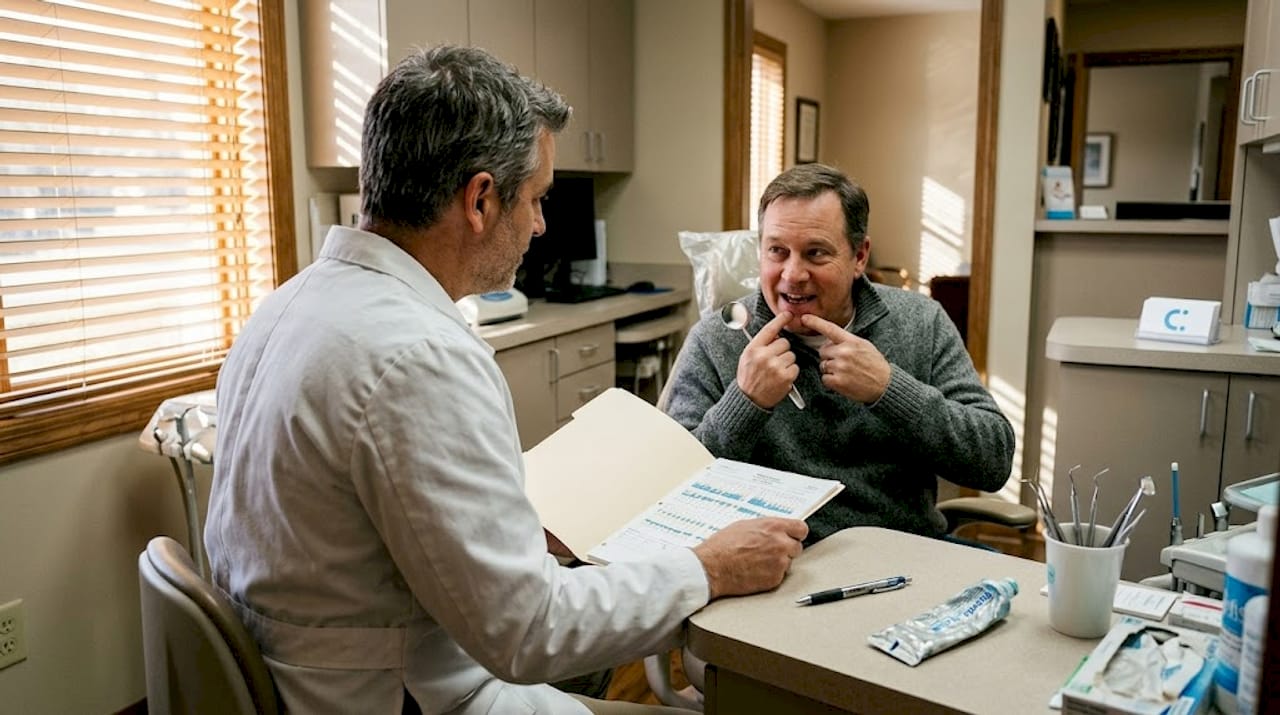
- Schedule dental visits every four to six months if you’re high-stress. Standard annual checkups aren’t frequent enough when cortisol is chronically elevated. More frequent professional monitoring catches damage earlier.
Pro Tip: Ask your dentist about salivary cortisol testing at your next visit. It’s non-invasive, requires only a passive drool sample, and gives both of you objective data. Managing stress may improve periodontal treatment outcomes significantly, and having a cortisol baseline helps you track progress. Pair this with the oral health strategies for adults already in your routine for the most complete approach.
Holistic is not a buzzword here. It means genuinely addressing both the hormonal environment and the local oral environment at the same time, because doing only one is treating half the problem.
Our perspective: The overlooked solution in the stress-oral health equation
Most people treat stress and dental hygiene as entirely separate categories of self-care. One belongs in the therapy room or the yoga studio. The other belongs at the bathroom sink. That mental separation is exactly why so many health-conscious adults, people who genuinely work at their well-being, still end up with surprising gum disease diagnoses or persistent cavities.
The research doesn’t support that separation anymore. The stress-dental health connection is now documented across multiple study designs, patient populations, and age groups. Traditional solutions often miss the real root because they optimize only one variable at a time.
What’s missing from most oral health routines isn’t another mouthwash. It’s a daily habit that simultaneously addresses the hormonal environment and the oral chemistry. Chewing is one of the few behaviors that does both: it stimulates saliva, engages the trigeminal nerve, and when the formula is designed intentionally, helps modulate the cortisol response. That’s not a trend. That’s applied physiology working in your favor every single day.
Discover a better way to support your oral health
If you’ve read this far, you already understand something most people don’t: that your mouth reflects your stress load, not just your brushing frequency. Addressing both simultaneously is the smarter approach, and it doesn’t have to be complicated.
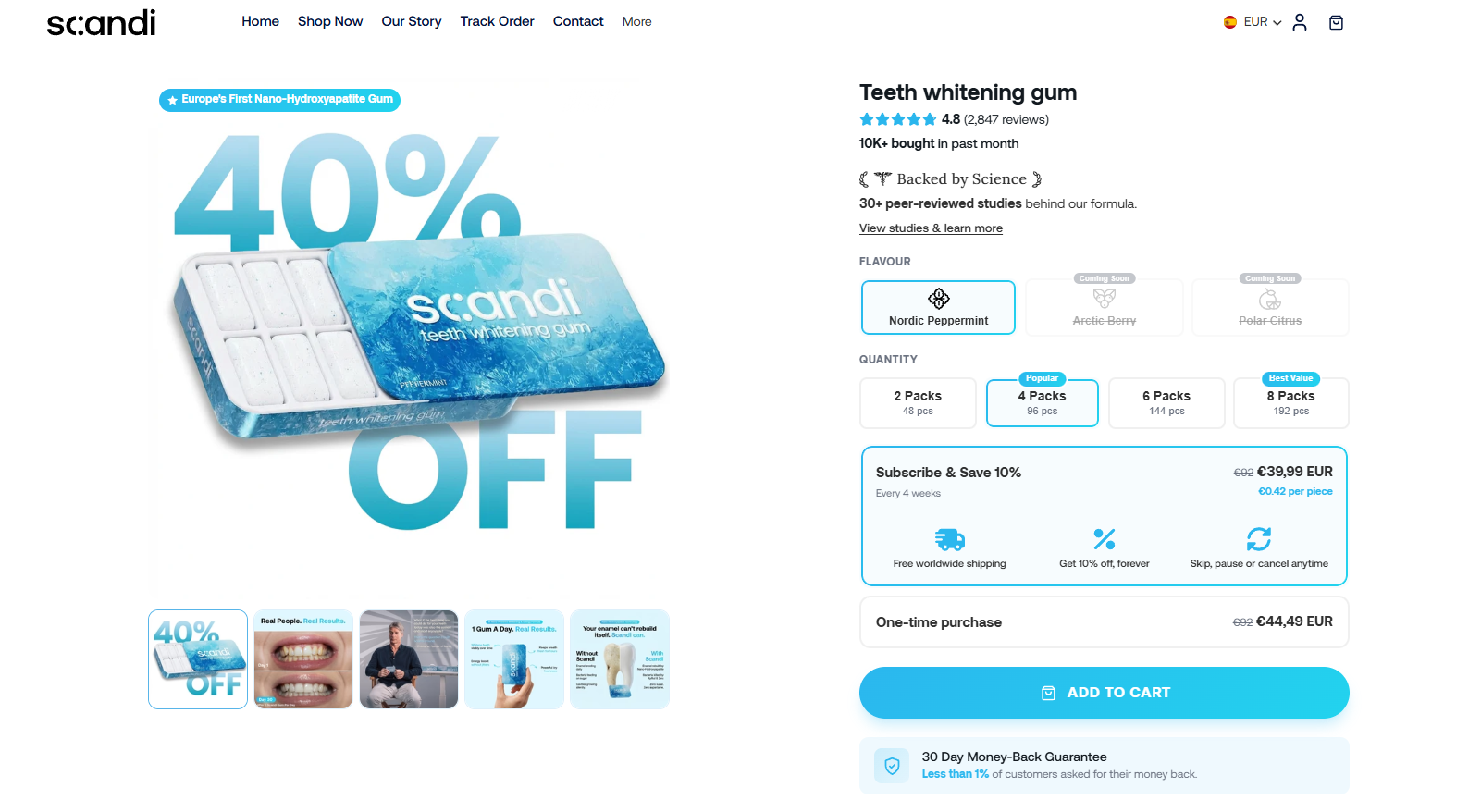
Scandigum is designed around exactly this principle. Each piece stimulates saliva flow, buffers oral pH, and leverages the mastication-brain loop to support lower salivary cortisol during the chew. It’s a daily habit that protects your teeth and works with your biology at the same time. Visit Scandigum to explore functional gum formulated for adults who take their oral and mental well-being seriously. Because the best oral health strategy is one that accounts for the whole system.
Frequently asked questions
How does cortisol actually harm teeth and gums?
Cortisol suppresses the immune cells that defend gum tissue and reduces saliva production, removing your mouth’s natural antibacterial shield and creating conditions where harmful bacteria thrive unchecked.
Can stress management techniques really improve my oral health?
Yes. Managing stress improves periodontal outcomes measurably, with studies showing better treatment response and lower re-infection rates in patients who address psychological stress alongside dental care.
Are there early signs that stress is affecting my mouth?
Frequently bleeding gums, dry mouth, recurring mouth sores, jaw soreness on waking, and new cavities appearing despite a solid hygiene routine are all early indicators worth flagging to your dentist.
How can I monitor my cortisol levels for oral health?
Ask your dentist about salivary cortisol testing. Salivary cortisol is recommended for dental assessments because it’s non-invasive and gives clinically useful data about your stress load and its oral impact.
What daily steps can I take to counter stress effects on my teeth?
Combine consistent sleep, regular moderate exercise, thorough hydration, optimized oral hygiene timing, regular dental visits, and functional chewing gum to address both the hormonal and the local oral environment simultaneously.