


TL;DR:
- Dental erosion is irreversible enamel loss caused by non-bacterial acids from diet or stomach acid.
- Preventative habits like limiting acidic intake, rinsing after drinks, and stimulating saliva are crucial.
- Most dental advice overlooks behavioral timing and saliva’s protective role in enamel preservation.
Even if you brush twice a day and skip the candy, your enamel could still be quietly dissolving. Dental erosion is the chemical dissolution of tooth enamel and dentin by acids of non-bacterial origin, leading to irreversible loss of tooth structure. It is not the same as a cavity, and it does not respond to the same fixes. The good news is that once you understand what drives it, the prevention strategies are practical, science-backed, and easy to build into your daily routine.
Table of Contents
- What exactly is dental erosion?
- The real causes: Where do harmful acids come from?
- How dental erosion progresses and who is most at risk
- The best ways to prevent and manage dental erosion
- Our perspective: What most dental guides miss about erosion
- Take action: Try innovative solutions for enamel care
- Frequently asked questions
Key Takeaways
| Point | Details |
|---|---|
| Erosion vs. decay | Dental erosion is chemical damage, not caused by bacteria, and requires different prevention than cavities. |
| Acid sources matter | Drinks, foods, and certain health conditions all contribute to irreversible enamel loss. |
| Prevention is achievable | Timely brushing, xylitol gum, and limiting acid exposure can greatly reduce erosion risk. |
| Modern solutions help | Sugar-free xylitol gum and smart habits improve salivary protection and oral resilience. |
What exactly is dental erosion?
Now that you know dental erosion is more than just a buzzword, let’s get clear on what it is and why it matters.
Dental erosion is chemical wear. Acids, not bacteria, dissolve the mineral structure of your enamel and the layer beneath it called dentin. The distinction matters because most people conflate erosion with cavities, and that confusion leads to the wrong prevention strategy.
“Dental erosion is the chemical dissolution of enamel by acids of non-bacterial origin, leading to irreversible loss of tooth structure.” — American Dental Association
Cavities (dental caries) are caused by bacteria that feed on sugar and produce acid as a byproduct. Erosion, by contrast, differs from caries in that no bacteria are involved at all. The acid comes directly from what you eat, drink, or from stomach acid reaching your mouth.
| Feature | Dental erosion | Dental caries (cavities) |
|---|---|---|
| Cause | Dietary or gastric acids | Bacterial acid production |
| Affected area | Broad, smooth surfaces | Localized pits and fissures |
| Reversible? | No | Early stages: yes |
| Treatment focus | Prevention and protection | Filling, remineralization |
Once enamel is gone, it does not grow back. Your body cannot regenerate it. That is what makes erosion so consequential. Teeth become sensitive to hot and cold, start to look more yellow as the darker dentin shows through, and gradually lose their original shape. Understanding oral pH and dental health is the foundation for protecting against this kind of damage.
The real causes: Where do harmful acids come from?
Understanding the process is only useful if you know what drives it. Let’s examine where these harmful acids actually come from.
Acids that erode enamel come from two main sources: what goes into your mouth from outside (extrinsic) and what comes up from inside your body (intrinsic). Primary causes include extrinsic acids from diet such as soft drinks and fruit juices, and intrinsic acids from gastric reflux or vomiting.
Common extrinsic acid sources:
- Carbonated soft drinks (pH as low as 2.0)
- Citrus fruits and juices
- Sports drinks and energy drinks
- Flavored sparkling water
- Vinegar-based foods and dressings
Common intrinsic acid sources:
- Gastroesophageal reflux disease (GERD)
- Frequent vomiting from illness or eating disorders
- Hiatal hernia
Age also plays a role. Erosive tooth wear increases with age. In adults between 45 and 70, 55% fall into the low-risk category, 39% into medium risk, and 5% into high risk. That means nearly half of adults in that range already show measurable erosion.
| Age group | Low risk | Medium risk | High risk |
|---|---|---|---|
| 45 to 70 years | 55% | 39% | 5% |
The sneaky part is not the occasional glass of orange juice. It is the habit of sipping low pH drinks slowly throughout the day. Every sip resets the acid clock in your mouth, and your saliva never gets a chance to neutralize and repair.
Pro Tip: Space out your acidic exposures. Drink acidic beverages in one sitting rather than sipping over an hour, and rinse with water immediately after. This gives your saliva the window it needs to do its job.
How dental erosion progresses and who is most at risk
Now that you know the sources of damaging acids, let’s spotlight who is most impacted and what to watch for.
Erosion does not announce itself with pain right away. It is a slow, cumulative process. By the time most people notice something is wrong, significant enamel is already gone.
Warning signs to watch for:
- Increased sensitivity to cold, heat, or sweet foods
- Teeth that look more yellow or translucent at the edges
- Rounded or flattened tooth surfaces that used to have sharper edges
- Small dents or cupping on the biting surfaces of molars
- Fillings that appear to be rising above the tooth surface (the tooth is shrinking around them)
Adults between 30 and 50 are in a particularly vulnerable window. Erosion prevalence rises 40 to 60% in this age group, driven by a combination of cumulative acid exposure over the years and lifestyle factors like frequent coffee, citrus, and carbonated drinks.
People with GERD are at especially high risk because stomach acid, which sits at a pH near 2, reaches the teeth during reflux episodes. Dry mouth compounds the problem. Saliva is your mouth’s natural buffer and repair system. Without enough of it, every acid exposure hits harder and lasts longer. Chewing gum for enamel support is one of the most accessible ways to stimulate saliva production between meals.
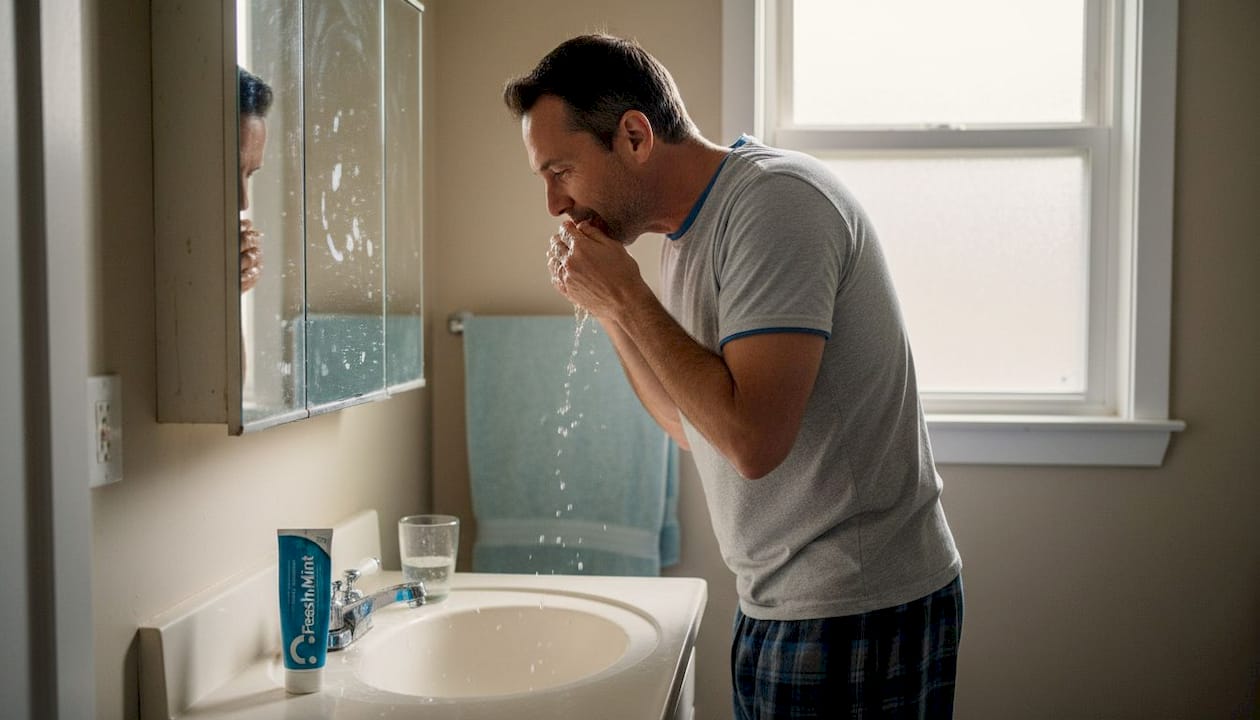
Left untreated, erosion leads to severe sensitivity, significant cosmetic changes, and eventually the need for crowns, veneers, or other restorative work. The structural integrity of the tooth is compromised, and the costs, both financial and physical, add up fast.
Populations with elevated risk:
- Adults aged 30 to 50 with high dietary acid intake
- GERD or acid reflux sufferers
- People with dry mouth (xerostomia)
- Those with a history of eating disorders
- Athletes who rely on sports drinks regularly
The best ways to prevent and manage dental erosion
Recognizing your risks is powerful. Prevention is where you change outcomes. Here’s how to build an erosion defense plan.
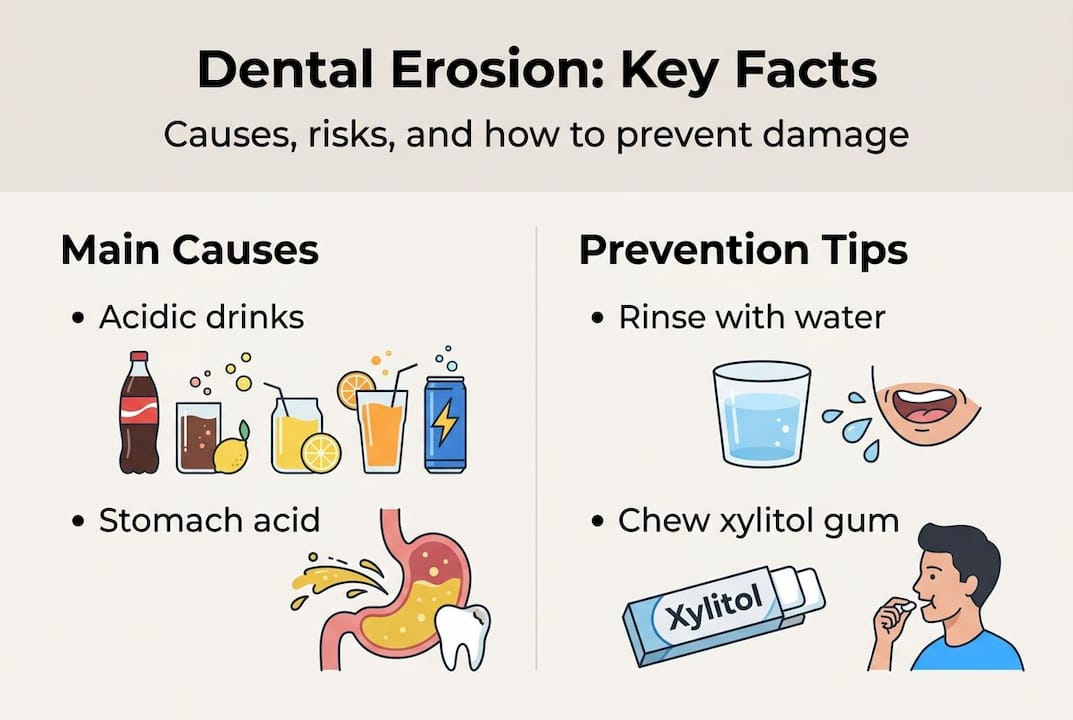
The most effective erosion prevention is behavioral, not just product-based. You can have the best toothpaste in the world and still erode your enamel if your habits work against you.
A practical erosion prevention plan:
- Limit acid exposure. Reduce how often you consume acidic foods and drinks. Frequency matters more than quantity.
- Use a straw. For sodas or juices, a straw directs liquid past the front teeth and reduces contact time. Reducing acid exposure is one of the most recommended prevention steps.
- Wait before brushing. Brushing immediately after acids worsens abrasion on softened enamel. Wait 30 to 60 minutes after any acidic food or drink.
- Use fluoride and remineralizing toothpaste. These products help harden enamel and reduce sensitivity over time.
- Chew xylitol gum after meals. Xylitol gum at 5 to 10 grams per day, used three to five times daily, reduces bacterial load and stimulates saliva for remineralization. This is one of the most evidence-supported habits you can add.
- Rinse with water after acidic meals. This quickly raises oral pH and removes residual acid.
- Address GERD. If you have reflux, managing it medically is one of the highest-impact steps you can take for your enamel.
Saliva stimulation deserves special attention. Saliva does not just neutralize acid. It delivers calcium and phosphate ions back to the enamel surface, actively rebuilding what acid has started to break down. Any habit that keeps saliva flowing, especially between meals, is a direct investment in your enamel.
Pro Tip: Keep best xylitol gum within reach at your desk or in your bag. Chewing for 15 to 20 minutes after a meal or coffee is one of the simplest and most effective ways to reset your oral environment.
Our perspective: What most dental guides miss about erosion
You’ve got the clinical facts, but here’s our take on what really matters for lifelong enamel and aesthetics.
Most dental advice circles around two things: brush better and whiten more. Neither one addresses the core mechanism behind erosion. You can have a flawless brushing technique and still be systematically dissolving your enamel every afternoon with a sparkling water habit.
What actually moves the needle is behavioral timing and saliva chemistry. When you eat, how long acid sits on your teeth, and whether you are actively stimulating saliva all matter far more than which toothpaste you use. Prevention prioritizes behavior over restoration, and that is a principle the dental industry does not always emphasize loudly enough.
Restoration is not a solution. Veneers and crowns cover the damage, but they do not stop the process. If the acidic habits remain, the erosion continues underneath and around the work. The only real answer is upstream: change the oral environment before the damage accumulates.
Simple shifts in oral pH and daily habits, like timing your acid intake, chewing xylitol gum consistently, and waiting before brushing, create a fundamentally different oral environment. That is what protects your smile for the long run, not just the next dental appointment.
Take action: Try innovative solutions for enamel care
Ready to translate awareness into action? Here’s how you can implement these insights today.
Knowing the science is step one. Acting on it is where real protection begins. Xylitol gum has some of the strongest evidence behind it for enamel care, stimulating saliva, buffering acid, and reducing the bacterial environment that compounds erosion risk.
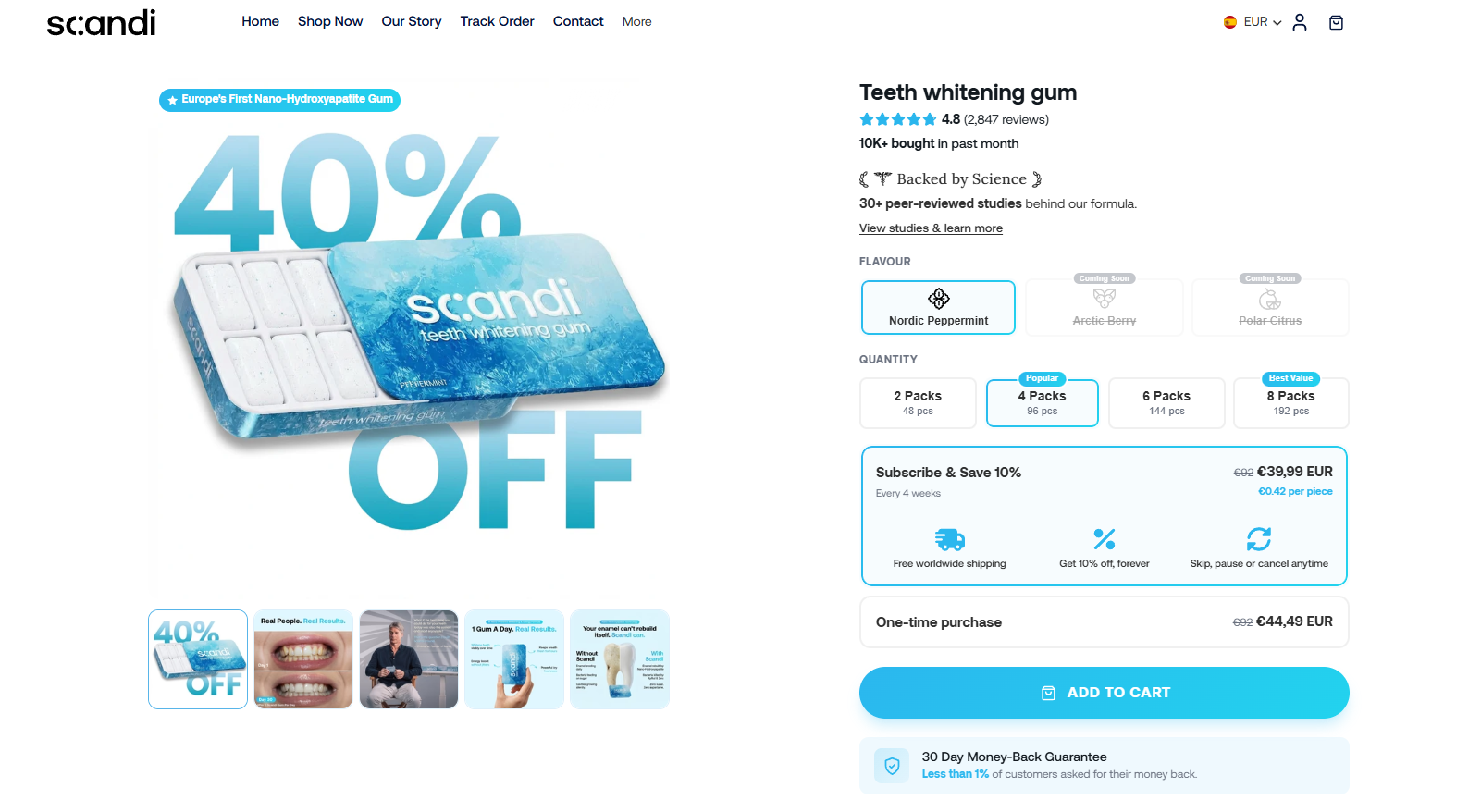
Scandigum xylitol gum is built around exactly this biology. It is not a mint or a flavor experience. It is a functional tool designed to shift your oral chemistry in the right direction, every time you chew. If you want to understand more about which options work best for your routine, explore our guide on chewing gum for dental health and find the format that fits your life.
Frequently asked questions
Can dental erosion be reversed?
Dental erosion is irreversible, but catching it early allows you to slow progression significantly and reduce sensitivity through remineralizing products and better habits.
What drinks are most likely to cause dental erosion?
Soft drinks range from pH 2.0 to 3.5, and along with citrus juices, sports drinks, and energy drinks, they pose the highest erosion risk when consumed frequently.
How does xylitol gum protect enamel?
Xylitol gum reduces plaque and bacteria while boosting saliva flow, which delivers the calcium and phosphate ions needed for enamel remineralization.
Is it safe to brush right after drinking soda?
No. Brushing immediately after acid accelerates abrasion on softened enamel. Wait at least 30 to 60 minutes and rinse with water first.