

TL;DR:
- Mechanical hygiene like gentle brushing and flossing remains essential for effective oral care.
- Xylitol gum significantly reduces plaque and caries risk when used after meals.
- Diet, hydration, and targeted products address age-related oral health challenges beyond basic habits.
After 30, your oral biology shifts in ways most people never anticipate. Saliva production can decrease, enamel becomes less resilient, and the bacteria that drive plaque and caries get more aggressive. The good news? Science has caught up. Xylitol gum reduces plaque by 46% and caries risk by 59%, and that’s just one tool in a growing arsenal. This article walks through five evidence-backed strategies for adults who want to move beyond basic brushing and actually optimize their oral health using functional products, smart dietary choices, and updated hygiene science.
Table of Contents
- Prioritize mechanical hygiene: Brushing and flossing
- Leverage functional chewing gum for targeted plaque and caries reduction
- Optimize diet and hydration for oral health
- Address edge cases: Dry mouth, bruxism, and high-risk profiles
- Why old habits may not be enough: The new science behind adult oral health
- Explore functional oral health solutions with Scandi Gum
- Frequently asked questions
Key Takeaways
| Point | Details |
|---|---|
| Functional gum outperforms basics | Chewing xylitol gum after meals reduces plaque by up to 46% and caries risk by 59%. |
| Diet and hydration matter | Limiting sugar, increasing water, and eating calcium-rich foods significantly bolster oral health. |
| Address individual needs | Tailored strategies for dry mouth and bruxism provide targeted protection where regular routines fall short. |
| Combining strategies yields best results | Integrating mechanical hygiene with functional products and smart diet delivers optimal oral health for adults. |
Prioritize mechanical hygiene: Brushing and flossing
No functional product replaces the physical removal of plaque. Brushing and flossing remain the foundation of every effective oral care routine, and the science around how you do it has evolved significantly.
Most adults brush too hard, too fast, or at the wrong time. Brushing immediately after an acidic meal, for example, can actually accelerate enamel erosion because the acid has already softened the surface. Wait 30 minutes after eating before brushing. Use a soft-bristle toothbrush and a gentle circular motion rather than aggressive back-and-forth scrubbing. Two minutes, twice a day is the minimum. Flossing once daily clears the interproximal spaces (the areas between teeth) where your brush simply cannot reach.
The evidence on technique matters more than most people realize. Supervised brushing reduces surface caries with a standardized mean difference of -0.22, which means even small improvements in brushing quality produce measurable outcomes. That’s not trivial. It means the way you brush is a clinical variable, not just a habit.
Here’s a practical sequence to follow:
- Floss first to loosen debris and biofilm between teeth.
- Brush with a soft-bristle toothbrush for two full minutes.
- Use fluoride toothpaste and spit without rinsing to let the fluoride work.
- Follow with a xylitol-based product to extend the protective window.
- Avoid eating or drinking (except water) for 30 minutes after brushing.
“The most overlooked variable in adult oral care isn’t the product you use. It’s the consistency and technique of your mechanical routine.”
Pro Tip: Replace your toothbrush every three months, or sooner if the bristles are visibly frayed. Worn bristles lose up to 30% of their cleaning efficiency and can irritate gum tissue over time.
Once you’ve locked in your mechanical routine, functional chewing gum benefits become even more pronounced because you’re building on a clean baseline rather than trying to compensate for missed brushing.
Leverage functional chewing gum for targeted plaque and caries reduction
Functional chewing gum works differently from a breath mint or a piece of candy. It’s a delivery mechanism. The act of chewing stimulates salivary flow, which neutralizes acid and buffers oral pH. When the gum contains xylitol, a naturally occurring sugar alcohol, it adds a second layer of protection that sorbitol-based gums simply don’t provide.
Xylitol disrupts the metabolism of Streptococcus mutans, the primary bacteria responsible for tooth decay. Unlike regular sugar, xylitol cannot be fermented by these bacteria, so it starves them rather than feeding them. Over time, regular xylitol use actually reduces the population of these bacteria in your mouth.

The numbers are clear: xylitol gum used 3x daily post-meals at 5 to 6 grams per day reduces plaque by 46% and caries risk by 59%. These aren’t marginal gains. They’re the kind of numbers that belong in a clinical protocol.
Xylitol outperforms sorbitol gum specifically for reducing caries-associated bacteria, making it the clear choice for adults focused on long-term dental health.
| Gum type | Key ingredient | Plaque reduction | Caries bacteria effect | Best use case |
|---|---|---|---|---|
| Xylitol gum | Xylitol (5-6g/day) | Up to 46% | Strong reduction | Post-meal, daily routine |
| Sorbitol gum | Sorbitol | Moderate | Minimal | General freshening |
| HA gum | Hydroxyapatite | Moderate | Remineralizes enamel | Sensitivity and erosion |
The ideal protocol for adults:
- Chew for 10 to 15 minutes after each main meal.
- Aim for 5 to 6 grams of xylitol per day across three sessions.
- Choose gums that list xylitol as the first sweetener, not a secondary ingredient.
- Explore best chewing gum types to match your specific needs.
Pro Tip: Hydroxyapatite (HA) gum is worth adding if you have sensitivity or early enamel erosion. HA is the same mineral that makes up tooth enamel, and it can actively support remineralization when your oral pH is in a healthy range.
For a deeper look at the mechanisms behind these effects, functional gum science covers the buccal absorption pathway and how ingredients reach the bloodstream faster than traditional supplements.
Optimize diet and hydration for oral health
What you eat directly shapes the chemistry inside your mouth. Every time you consume sugar or acidic food, oral pH drops below the critical threshold of 5.5, triggering enamel demineralization. Frequency matters more than quantity here. Sipping a sugary drink over two hours is far more damaging than drinking it in five minutes because it prolongs the acid attack.
Hydration is equally important. Dry mouth (xerostomia) is a common issue after 30, often worsened by medications, caffeine, or simply not drinking enough water. Saliva is your mouth’s natural defense system. It buffers acid, delivers minerals to enamel, and physically washes away food debris. When saliva flow drops, caries risk climbs.
Functional products combined with diet and mechanics produce the best oral health outcomes, which means no single strategy works in isolation.
Key dietary habits to build:
- Limit sugary snacks to mealtimes rather than grazing throughout the day.
- Replace acidic drinks (soda, sports drinks, citrus juice) with water or still herbal tea.
- Add calcium-rich foods like dairy, leafy greens, and almonds to support enamel strength.
- Eat crunchy vegetables like celery and carrots, which mechanically clean tooth surfaces.
| Dietary habit | Oral health effect | Priority level |
|---|---|---|
| Reduce sugar frequency | Fewer acid attacks on enamel | High |
| Increase water intake | Combats dry mouth, buffers pH | High |
| Add calcium-rich foods | Supports enamel remineralization | Medium |
| Limit acidic beverages | Reduces enamel erosion risk | High |
| Eat fibrous vegetables | Mechanical plaque disruption | Medium |
For adults looking to connect dietary habits with functional supplementation, benefits of chewing gum explains how post-meal gum use extends the protective effect of a clean diet.
Address edge cases: Dry mouth, bruxism, and high-risk profiles
General strategies work for most adults. But some people need a more targeted approach. Dry mouth, bruxism (teeth grinding), and high caries risk are three scenarios where standard advice falls short and specific interventions make a real difference.
Dry mouth is more than uncomfortable. It removes your primary biological defense against acid and bacteria. Common causes include antihistamines, antidepressants, blood pressure medications, and dehydration. Functional gum helps here because the act of chewing stimulates salivary glands directly. Xylitol also creates a less hospitable environment for bacteria even when saliva is limited.
Bruxism is habitual teeth grinding, often during sleep. It accelerates enamel wear and can lead to cracking and sensitivity. A custom mouthguard from your dentist is the primary intervention, but xylitol and HA functional products offer targeted support for the chemical side of enamel protection in bruxism situations.
For adults in high-risk categories, here’s a structured approach:
- Identify your risk factors: medications, diet, grinding habits, or family history of decay.
- Use xylitol gum after every meal as a non-negotiable part of your routine.
- Add HA-containing products if you have visible sensitivity or erosion.
- Consider a custom mouthguard if you wake up with jaw soreness or headaches.
- Schedule professional cleanings every four to six months rather than annually.
“High-risk adults who add xylitol gum to their routine aren’t just managing symptoms. They’re changing the bacterial environment of their mouth over time.”
Pro Tip: If you experience chronic dry mouth, talk to your doctor about whether your medications are contributing. Switching formulations or timing doses differently can sometimes reduce the effect on saliva production.
For gum types for high risk profiles, the right product choice depends on whether your primary concern is bacterial reduction, remineralization, or saliva stimulation.
Why old habits may not be enough: The new science behind adult oral health
Here’s the uncomfortable truth: the advice most adults received growing up was designed for children. Brush twice a day, see your dentist once a year, avoid candy. That framework doesn’t account for the biological reality of adult oral health after 30, where salivary composition changes, medication use increases, and enamel has decades of cumulative wear.
We’ve seen how adults who follow conventional advice still develop caries, gum recession, and sensitivity because the protocol was never designed for their biology. Functional chewing gum fills a gap that brushing and flossing structurally cannot. It works between brushing sessions, in the post-meal window when acid attacks are most aggressive, and it does so through a mechanism (salivary stimulation and xylitol-mediated bacterial disruption) that no toothbrush can replicate.
The real-world numbers are hard to argue with. Xylitol gum as a post-meal adjunct is now recommended for high-risk adults precisely because it addresses the gaps that traditional routines leave open. Exploring modern gum choices isn’t a trend. It’s a logical response to updated science.
Adults who treat their oral care routine as a fixed habit rather than an evolving protocol are the ones who end up surprised at the dentist. The biology changes. The routine should too.
Explore functional oral health solutions with Scandi Gum
If you’ve read this far, you already understand that brushing alone isn’t enough and that the right functional product can make a measurable difference in your oral health outcomes.
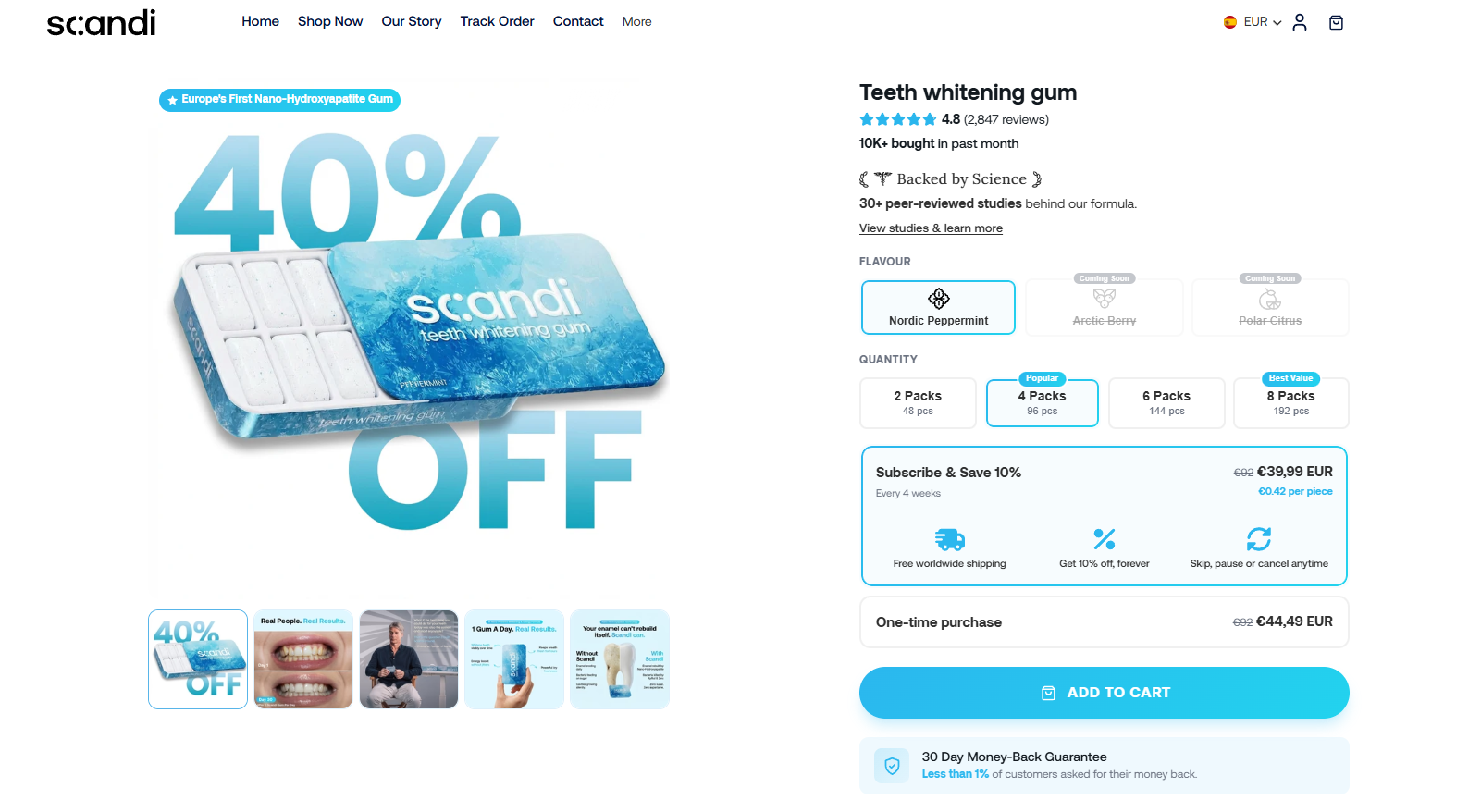
Scandigum’s product range is built around the exact science covered in this article: xylitol-based formulas that disrupt caries bacteria, hydroxyapatite options for enamel support, and buccal delivery that works faster than traditional supplements. If you want to match the right product to your specific needs, the best gum types guide breaks down the options clearly. Your oral health routine deserves the same precision you bring to every other aspect of your wellness.
Frequently asked questions
How often should adults chew xylitol gum for optimal oral health?
Adults should chew xylitol gum three times daily for 10 to 15 minutes after meals. At 5 to 6 grams per day, this protocol delivers significant plaque and caries reduction backed by systematic review data.
Is functional gum safe and effective for people with dry mouth or bruxism?
Yes. Xylitol and HA functional gums are well-suited for both conditions, stimulating saliva flow and supporting enamel integrity. Targeted care for dry mouth and bruxism is one of the documented use cases for these formulas.
Can functional gum replace brushing and flossing?
No. Functional gum is a powerful adjunct that works in the windows between brushing sessions, but it cannot physically remove the biofilm that mechanical hygiene addresses. Combining mechanics with functional products produces the best outcomes.
What are the top dietary habits for adult oral health?
Limiting sugar frequency, increasing water intake, and eating calcium-rich foods are the three highest-impact habits. Diet and hydration are foundational components that amplify the effects of both mechanical hygiene and functional products.