

TL;DR:
- Regular professional checkups and cleanings are essential for early detection and protection.
- Daily habits like proper brushing, flossing, and a low-sugar diet significantly improve oral health.
- High-risk individuals need customized care, including higher fluoride use and more frequent monitoring.
Most adults know they should be doing more for their teeth and gums, but between conflicting product claims, outdated advice, and a dental aisle that grows more confusing every year, it is hard to know where to actually start. The gap between what people think works and what the research actually supports is surprisingly wide. This guide cuts through the noise with ten strategies that are grounded in current science, refined by clinical practice, and relevant to anyone who cares not just about avoiding cavities, but about a healthier mouth that supports sharper thinking, better confidence, and a more vibrant appearance.
Table of Contents
- Assessing your oral health: Key criteria and benchmarks
- Fundamentals: Daily habits with proven impact
- Dietary and lifestyle upgrades for oral health
- Professional and advanced options for complete oral care
- Tailored strategies: High-risk groups and special considerations
- The overlooked connection: How oral health shapes your whole self
- Support your oral health journey with advanced solutions
- Frequently asked questions
Key Takeaways
| Point | Details |
|---|---|
| Brush and floss daily | Consistent brushing and daily interdental cleaning are the backbone of effective oral health. |
| Nutrition matters | Choosing foods low in sugar and high in fruits and vegetables supports strong teeth and healthy gums. |
| Embrace advanced care | Regular professional checkups and adopting innovative, minimally invasive treatments can dramatically boost oral health and aesthetics. |
| Customize for your needs | High-risk individuals benefit from more frequent fluoride use and tailored strategies for lasting oral health. |
Assessing your oral health: Key criteria and benchmarks
Before you optimize anything, you need an honest baseline. Think of this as your personal oral health audit. Most adults skip this step entirely, which means they end up fixing the wrong problems or assuming everything is fine when it is not.
The four core criteria to evaluate:
- Caries rate: How often do you develop new cavities? More than one per year signals a systemic issue, not bad luck.
- Gum health: Do your gums bleed when you brush or floss? Bleeding is inflammation, and inflammation is a warning, not a normal event.
- Appearance: Are you satisfied with the color, shape, and brightness of your teeth? Aesthetic concerns are medically valid and worth addressing.
- Professional cleaning frequency: When did you last see a dentist? For most adults, the answer should be within the past six to twelve months.
| Benchmark | Healthy range | Action needed |
|---|---|---|
| Cavities per year | 0 | More than 1 |
| Gum bleeding on brushing | None | Any bleeding |
| Professional cleaning | Every 6 to 12 months | Over 12 months |
| Fluoride toothpaste use | Daily, 1000 to 1500 ppm | Less than daily |
One of the most consistently supported top oral wellness habits is daily fluoride use. Fluoride toothpaste reduces caries, and water fluoridation at 0.7 mg/L is established as safe with no adverse cognitive impact at US levels. Plaque control remains the primary driver of periodontitis prevention.
Key insight: Absence of pain does not equal absence of disease. Early gum disease and early-stage enamel erosion are both symptom-free until they are not.
If you identify issues in two or more categories above, you are not starting from zero, you are starting with direction. That is actually useful. Knowing where the gaps are lets you prioritize the steps that follow with far greater precision.
Fundamentals: Daily habits with proven impact
Once you know your starting point, the most powerful place to invest your effort is in what happens every single day. These are the behaviors that compound quietly over years and produce dramatic differences in oral health outcomes.
Brushing correctly matters more than brushing often:
Most people brush, but most people also brush incorrectly. The WHO recommends brushing twice daily with fluoride toothpaste at 1000 to 1500 ppm for two full minutes, using a soft brush held at a 45-degree angle to the gumline. After brushing, spit but do not rinse. Rinsing washes away the fluoride film that continues to remineralize enamel for up to 30 minutes after you brush.
That last point surprises most people, and it is one of the highest-leverage changes you can make today without buying anything new.
Why flossing is non-negotiable:
The NHS confirms that cleaning between teeth daily using floss, interdental brushes, or a water flosser removes plaque and debris your toothbrush simply cannot reach. The contact points between teeth are where cavities form most often after the gumline, and no amount of thorough brushing addresses that zone.
“Powered toothbrushes are consistently superior for plaque reduction and are gentler on gum tissue than manual brushing, particularly for adults with dexterity limitations or a tendency to brush too hard.”
Key daily habits to lock in:
- Brush twice daily, exactly two minutes each session
- Use fluoride toothpaste at the correct concentration (check the label)
- Hold the brush at a 45-degree angle, not flat against the teeth
- Spit after brushing, do not rinse
- Floss or use interdental brushes once a day, ideally before bed
- Consider switching to an electric toothbrush if you have not already
Pro Tip: If you find it hard to brush for a full two minutes, use a song, a podcast clip, or an electric toothbrush with a built-in timer. Compliance with duration is one of the most common places where adults fall short without realizing it.
Explore additional oral health strategies for adults that pair well with these daily fundamentals to build a complete routine.
Dietary and lifestyle upgrades for oral health
Daily brushing and flossing create the foundation, but what you eat and how you live determines whether that foundation holds or erodes. Modern research is clear: the mouth is a direct reflection of systemic lifestyle patterns.

The sugar-acid cycle and how to break it:
Free sugars, the kind found in sodas, juices, candy, and processed snacks, feed the bacteria that produce acids. When oral pH drops below 5.5, enamel begins to lose mineral content. The WHO advises reducing free sugar intake and choosing a diet rich in fruits and vegetables while favoring water over sugary drinks. This is not just about cavities; it is about the long-term structural integrity of your teeth.
Five dietary and lifestyle changes ranked by impact:
- Reduce added sugar in beverages first. Drinks are worse than food because they bathe every surface of the mouth continuously.
- Increase water intake, especially fluoridated tap water, throughout the day.
- Add crunchy vegetables like carrots and celery, which mechanically clean tooth surfaces and stimulate saliva production.
- Quit tobacco. Smoking and smokeless tobacco are leading risk factors for gum disease, oral cancers, and bone loss around teeth.
- Limit alcohol consumption. Alcohol dries out the mouth, reducing saliva and dramatically increasing acid attack duration.
Timing matters as much as content:
If you consume acidic foods or drinks like citrus, coffee, or wine, wait at least 30 minutes before brushing. Brushing immediately after an acid attack scrubs softened enamel and accelerates wear. Instead, rinse with water right after eating and brush later when the enamel has re-hardened.
Pro Tip: Cheese, nuts, and plain yogurt are genuinely tooth-friendly foods. They are low in fermentable sugars and high in calcium and phosphate, the same minerals that make up enamel. Swapping your afternoon snack can have a real, measurable benefit over time.
For a deeper look at natural dental health methods that align with these dietary principles, there are practical tools worth adding to your routine.
Professional and advanced options for complete oral care
Home care is essential, but it has limits. Professional interventions close the gap between what you can do solo and what your mouth actually needs for long-term protection and visual improvement.
Why regular checkups do more than you think:
The NHS recommends dental checkups every six to twelve months for professional cleanings, early detection of problems, and fluoride applications including varnish. During these visits, clinicians can detect early signs of decay, measure gum pocket depths, screen for oral cancer, and apply protective treatments that are simply not available over the counter.
Comparison of professional treatment options:
| Treatment | Primary benefit | Aesthetic impact |
|---|---|---|
| Professional cleaning | Removes calculus and staining | Noticeably brighter appearance |
| Fluoride varnish | Remineralization and sensitivity | Subtle protective coating |
| Silver diamine fluoride | Early caries arrest, no drilling | Dark staining on treated areas |
| Glass ionomer restoration | Mercury-free filling material | Natural-looking repair |
| Sensitivity treatment | Seals exposed dentinal tubules | Improved comfort |
The WHO now supports a global shift toward fluoride varnish, silver diamine fluoride for early caries arrest, and mercury-free restorations like glass ionomer. These approaches minimize drilling, reduce patient discomfort, and produce results that are both functionally sound and aesthetically acceptable.
Advanced options worth asking your dentist about:
- Fluoride varnish: Applied in under two minutes, it releases fluoride slowly and is particularly effective for adults with early enamel erosion.
- Silver diamine fluoride (SDF): A liquid treatment that stops early cavities without a drill. It does leave a dark stain on treated enamel, but that tradeoff is often worth it for patients wanting to preserve tooth structure.
- Professional stain removal: Polishing during cleanings removes surface stains from coffee, tea, and wine in ways that at-home whitening cannot replicate.
“The most impactful thing a dentist can do for an aesthetically motivated patient is not necessarily a cosmetic procedure; it’s preventing the damage that would have required one.”
Review proven methods for a brighter smile to understand how professional options complement the daily habits you are already building.
Tailored strategies: High-risk groups and special considerations
Standard oral health advice is designed for the average adult, and you may not be average. Certain medical conditions, medications, and behavioral patterns place some people at substantially higher risk of rapid oral deterioration.
Who qualifies as high-risk:
- Adults with dry mouth (xerostomia), whether from medication, radiation therapy, or autoimmune conditions
- People with diabetes, particularly uncontrolled Type 2, which significantly accelerates gum disease progression
- Smokers and tobacco users at any level
- Adults with a history of frequent cavities or multiple restorations
- Individuals undergoing chemotherapy or taking medications that cause gum overgrowth or bone loss
Why standard protocols are not enough for high-risk adults:
Cochrane evidence shows that high-risk adults, including those with dry mouth, diabetes, or a smoking history, need higher-concentration fluoride toothpaste, professional fluoride applications, and smoking cessation support as part of any effective oral health plan. A 5000 ppm prescription fluoride toothpaste, for example, is categorically different from standard over-the-counter products and is often necessary for those who are medically compromised.
Custom recommendations for high-risk adults:
- Switch to a high-fluoride prescription toothpaste under dental supervision
- Increase professional cleaning frequency to every three to four months
- Use a saliva substitute or xylitol-based products if dry mouth is a factor
- Work with your physician and dentist together if diabetes or systemic disease is involved
- Do not skip smoking cessation resources; gum disease does not meaningfully improve without quitting
Pro Tip: If your mouth consistently feels dry, especially at night, mention it to both your dentist and your doctor. Dry mouth is not just uncomfortable, it removes your natural defense against acid attacks and bacteria and should be managed aggressively.
Wellness habits for high-risk adults deserve more customization and professional oversight than any general article can provide, but these starting points give you a framework for that conversation.
The overlooked connection: How oral health shapes your whole self
Here is something the mainstream dental conversation still undervalues: your mouth is not a separate system that you manage in isolation from the rest of your health and identity. The connection between oral and brain health is increasingly supported by research showing that chronic oral inflammation, gum bacteria in the bloodstream, and even disrupted sleep from dental pain all have downstream effects on cognition, mood, and energy.
We think about oral health as cosmetic and functional, but it also shapes how confidently you engage with others, how you feel about yourself in the mirror, and how your body manages systemic inflammation. These are not small things.
The strategies covered in this guide are not a checklist you complete once. They are daily inputs into a biological system that either supports you or silently costs you. Small consistent actions, correct brushing technique, daily interdental care, smarter dietary timing, regular professional visits, yield returns that are disproportionate to their effort. That asymmetry is worth taking seriously.
Support your oral health journey with advanced solutions
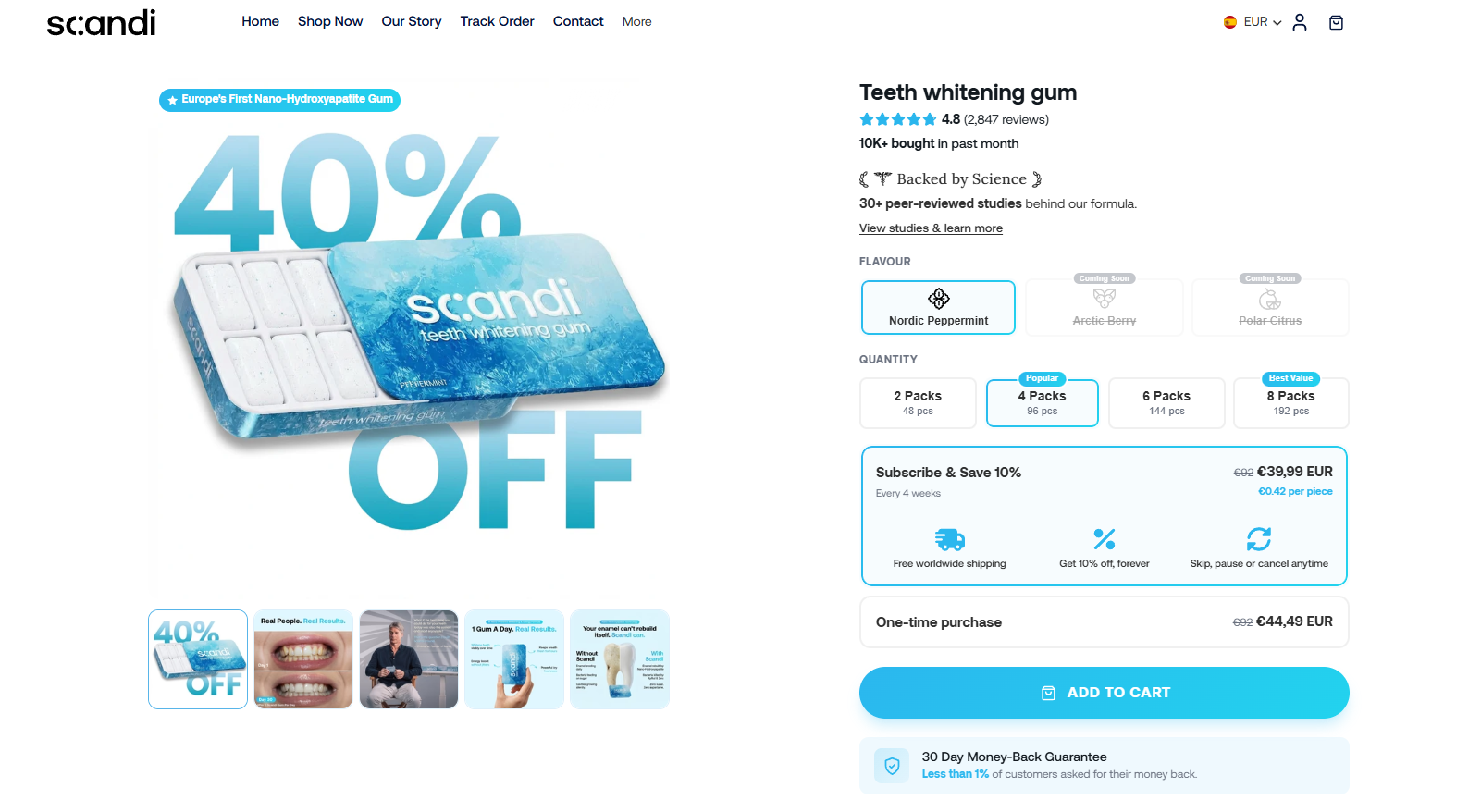
If you are ready to move beyond brushing and flossing alone, Scandigum offers a scientifically grounded next step. Scandigum’s functional chewing gum is designed around the biology of the mouth itself, stimulating salivary flow to neutralize acid, delivering active compounds through the buccal mucosa for fast absorption, and supporting the kind of focused, calm energy that lets you stay consistent with the habits that matter. For health-conscious adults who want tools that match the sophistication of their goals, explore what Scandigum brings to your daily oral care routine at scandigum.com.
Frequently asked questions
How many times a day should I brush for optimal oral health?
Brushing twice daily with fluoride toothpaste for at least two minutes each time is the evidence-backed standard for effective cavity and gum disease prevention.
Is flossing really necessary if I brush carefully?
Yes; interdental cleaning daily with floss or interdental brushes removes plaque at contact points between teeth where toothbrush bristles cannot reach, which is where cavities most often form.
How important is diet in oral health improvement?
Significantly important; a diet low in added sugars and high in fruits and vegetables directly reduces both cavity risk and gum inflammation, making nutrition a genuine clinical variable, not just general wellness advice.
What advanced treatments should I consider for dental aesthetics?
Professional cleaning, fluoride varnish, and minimally invasive options like glass ionomer restorations can meaningfully enhance appearance while also protecting tooth structure, often without the sensitivity associated with traditional cosmetic procedures.
Are electric toothbrushes worth the investment?
Consistently yes; electric oscillating toothbrushes outperform manual brushes at plaque reduction and are gentler on gum tissue, making them a sound investment especially for adults with a tendency to brush too aggressively.